Airbnb Ban in Central Budapest: What Will Change for Tourists from 2026.

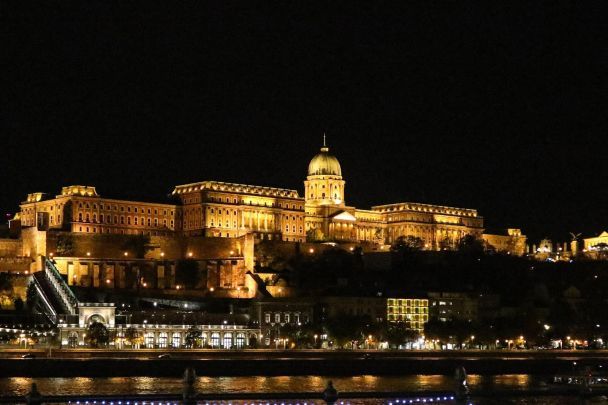
According to ТСН: Budapest is preparing for significant changes: starting January 1, 2026, short-term rental of housing, such as Airbnb, will be banned in the 6th district, known as Terézváros. The Hungarian Supreme Court has confirmed the legality of these new regulations.
Terézváros, home to theaters, the Hungarian State Opera, and Andrássy Avenue, has long been one of the city's major tourist centers. However, in recent years, short-term rentals have significantly increased here, becoming one of the most active parts of the housing market.
The district's mayor, Tamás Soproni, noted that in some buildings, up to half of the apartments have been converted into tourist apartments. This is leading to the displacement of local residents from the center, and the district is losing its uniqueness. He added that without clear restrictions, the city center might transform into something like a 'Disneyland'—with restaurants and attractions, but without permanent residents.
The demand for such accommodations in Budapest has risen: since 2020, the number of such properties has increased by 80%, and currently, there are more tourist apartments in the city than hotel rooms. About 40% of tourists choose rented housing, significantly exceeding the European average of 28%.
The government does not rule out the possibility of expanding the ban to other areas. However, some owners and realtors criticize this decision, fearing an increase in hotel prices and a decrease in income. Despite these comments, the authorities maintain the view that regulation is necessary to ensure a balance of interests between the city and its residents.
Budapest remains one of the favorite destinations for tourists from the UK, Germany, Italy, and the USA. In 2024, Hungary welcomed 18 million guests, a third of whom visited the capital.
Similar initiatives are being implemented or planned in other EU countries. For example, Barcelona intends to fully ban Airbnb by 2028, Seville limits the share of tourist apartments to 10% of the housing stock in each district, and Mallorca has suspended the review of new applications. In Madrid, a court ruled to remove nearly 5,000 illegal rental listings.
This move in Budapest could serve as a significant signal for other cities looking to regulate the short-term rental market. Regulations concerning the interests of local residents may improve the quality of life in the city center and preserve its cultural heritage. At the same time, it may raise concerns among business owners who rely on income from the tourism sector.
Read also
- Buses from Ukraine to Poland Suspended for 18 Months Due to Repairs at Shehyni-Medyka Border Crossing
- Suitcase delivery to parcel lockers across 8 EU countries launched by InPost – pricing revealed
- Bus Service to Poland via Shehyni Checkpoint to Halt for 18 Months Starting June 15, 2026
- Over 10 Odesa Beach Zones Certified and Ready for Summer Season
- Anticipating Summer Ticket Surge, Ukrainian Railways Shares Booking Tips
- Europe's Airports Face Six-Hour Queues: IATA Warns of New Crisis