Ukrainian Strikes Trigger Fuel Crisis in Russia: 56 Regions Face Budget Shortfalls.


Russia Grapples with Budget Deficits and Fuel Shortages
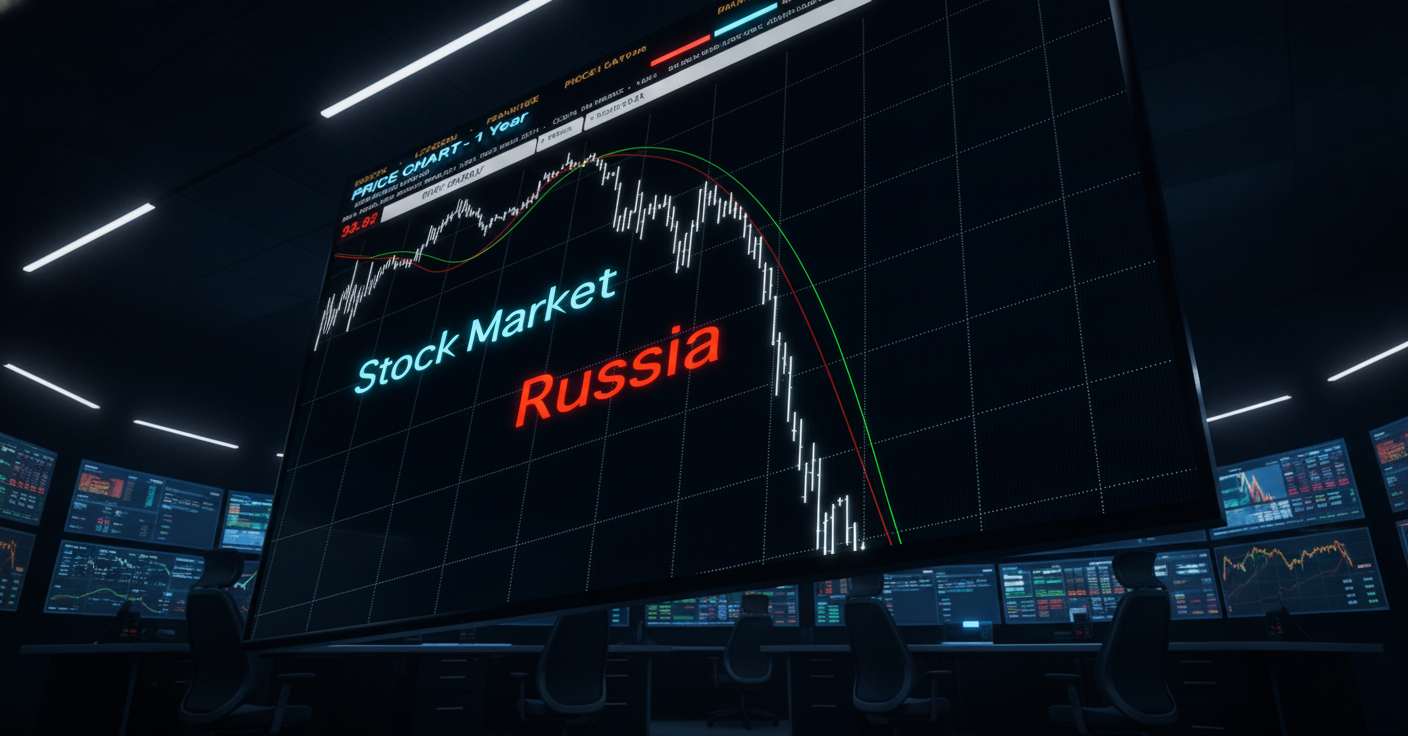
According to UATV: A severe budget deficit and a deepening fuel crisis are gripping Russia, driven by Ukrainian military strikes on Russian infrastructure. As of 2023, 56 Russian regions are dealing with budget shortfalls, with two-thirds of them reporting a lack of funds. The fuel crunch in Crimea began in late May 2023, leaving residents struggling to secure gasoline.
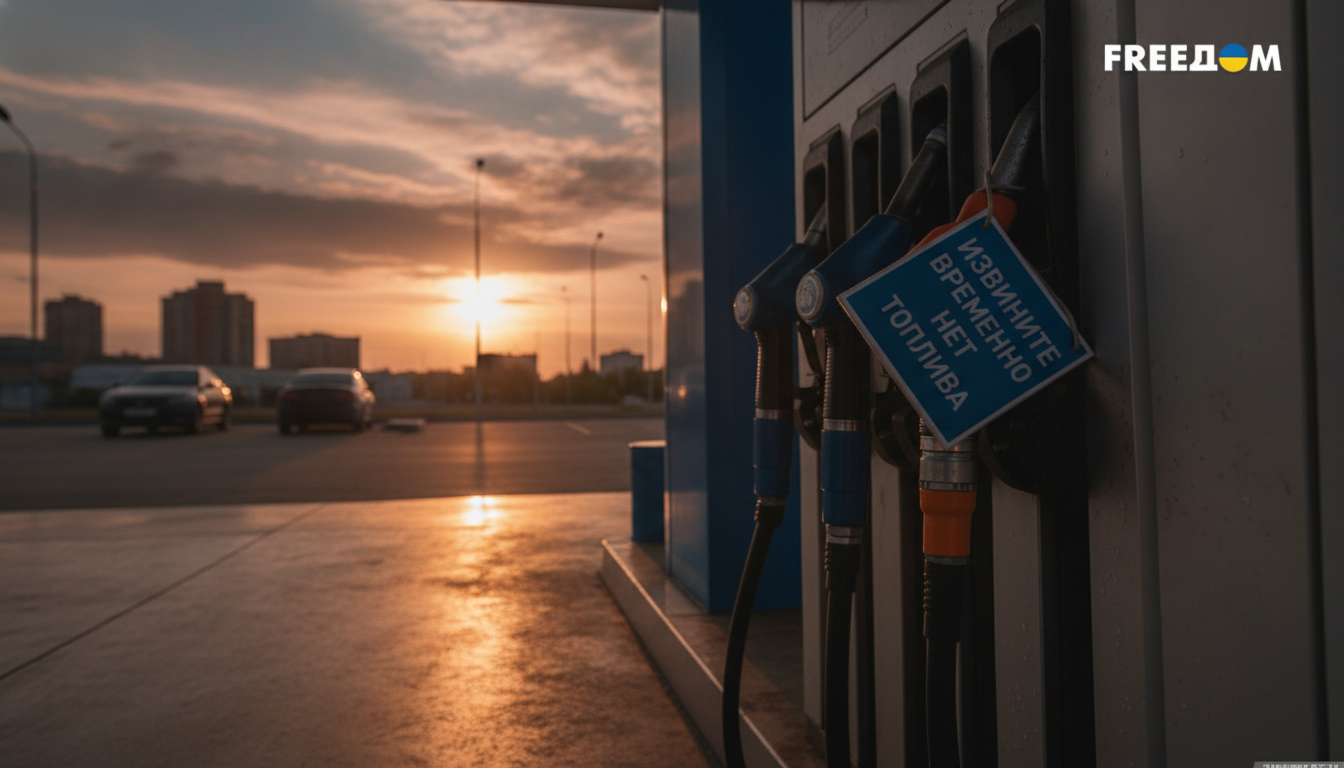
Across Russia, long lines at gas stations have become commonplace. Sergei, a resident of Donetsk, shared:
“Yesterday I stood in line almost all day—from noon until evening. Today I’ve been waiting for a couple of hours already.”In Sevastopol, conditions are equally dire. Alena, a local, noted:
“My job requires driving. Now we mostly walk.”
Ukrainian Forces Target Logistics and Infrastructure
Beyond fuel supply disruptions, Ukraine’s defense forces are striking enemy logistics and infrastructure. On June 16, 2023, they hit Moscow’s largest oil refinery, which processes about 11 million tons of oil annually. Since early May, Ukrainian forces have carried out roughly 200 strikes on roads leading to occupied Crimea, directly impacting Russia’s refining capacity. By June 2023, Russia’s daily oil processing had fallen below 4 million barrels.
Experts highlight the effectiveness of these attacks. Energy specialist Hennadii Riabtsev emphasized:
“The strikes by the Defense Forces on oil refineries, pipeline pumping stations, and fuel depots have been exceptionally effective.”According to the General Staff of the Armed Forces of Ukraine, “as of June 2026, strikes at distances over 1,500 kilometers inside Russia are causing systemic financial, technological, and logistical paralysis for the Russian occupiers.”
The fuel crisis in Crimea is becoming increasingly apparent. Residents endure long waits at gas stations and face difficulties buying gasoline, which is now sold using QR codes. The destruction of Russian refineries and technical facilities has impacted 16 major refineries and terminals, with over 40 processing units halted. President Volodymyr Zelenskyy stated: “We continue to demonstrate that Ukraine’s long-range strike capabilities are decisive.”
These developments underscore the serious economic and logistical challenges Russia faces amid the ongoing conflict. Budgetary and fuel issues could heighten social tensions within the country, potentially influencing its domestic politics. The escalation of the conflict in the region also threatens to further destabilize the situation for both Russia and its neighbors.
Read also
- Trump Signals Green Light for Ukraine to Manufacture Patriot Missiles: A Multi-Year Timeline Ahead
- Ukraine Should Look to Europe, Not Trump, Says Former Israeli Ambassador
- War and One-Party Rule: Is the President to Blame for Ukraine's Troubles?
- Ukraine Expands Military Installations Along Belarus Border: New Facilities Underway
- Zelensky Signs Decree Establishing New Joint Rapid Response Forces
- Kyiv Night Attack Injures 11, Including a Child; Zelenskyy Urges Air Defense Supplies