










Which EU Nations Are Blocking Ukraine’s Accession and When Talks Might Begin.
Ukraine’s Path to the European Union
According to TSN.ua: Ukraine’s journey toward joining the European Union began in 2013 when President Viktor Yanukovych refused to sign the Association Agreement, sparking mass protests across the country. That decision marked the start of a turbulent chapter in EU-Ukraine relations, but the situation shifted dramatically in 2022. That year, Ukraine formally applied for EU membership, and on June 17, the European Commission recommended granting Ukraine candidate status. For an English-speaking audience, it is important to note that this candidacy represents a historic step for a nation seeking closer ties with the West amid ongoing conflict with Russia.
Requirements and Hurdles on the Road to EU Membership
Joining the EU requires meeting a set of conditions, notably the Copenhagen criteria established in 1993. The European Commission has identified seven priority areas Ukraine must address to advance its integration process. Formal accession negotiations are expected to open in June 2024. However, Ukraine faces significant obstacles along the way.
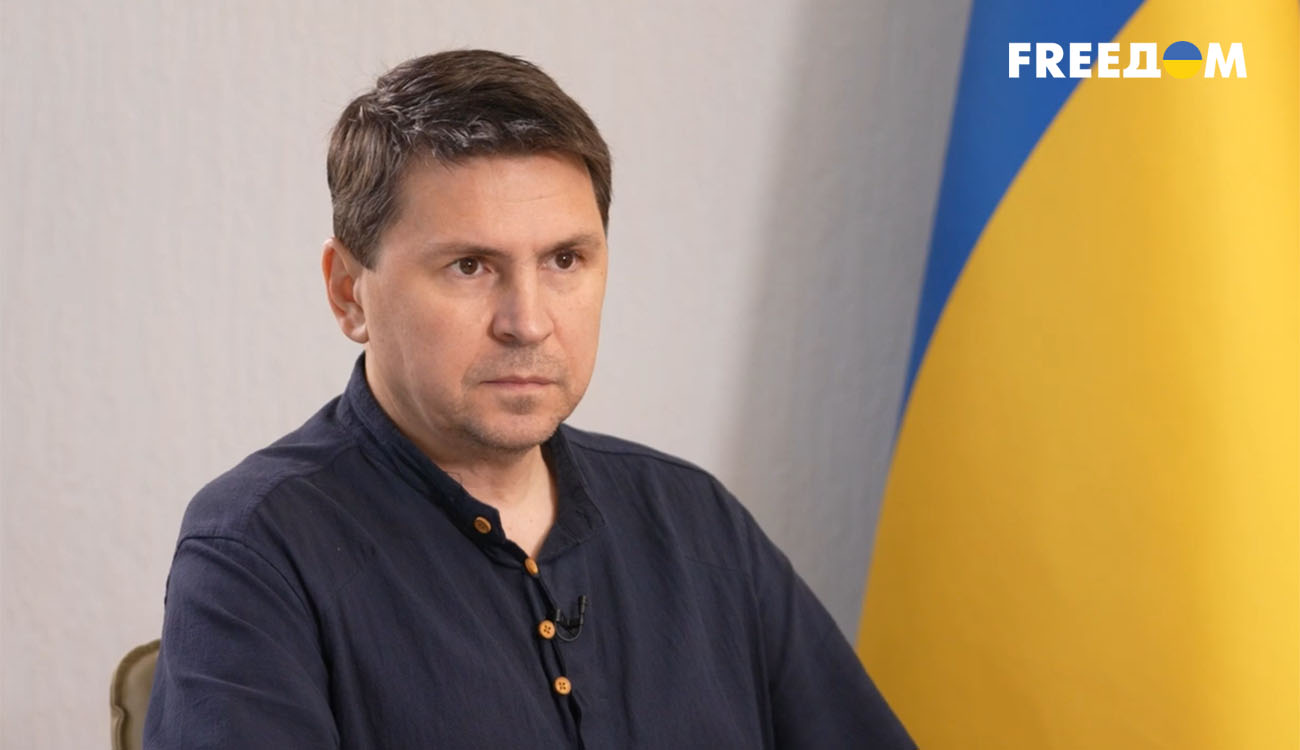
A major difficulty is opposition from certain member states, particularly Hungary and Slovakia, which have taken an anti-candidacy stance. As Roman Petrov noted,
“for now, we have problems with several countries that hold an openly anti-Ukrainian position”. President Volodymyr Zelenskyy has stated his goal of being technically ready for membership by 2027, but German Chancellor Friedrich Merz has ruled out any simplified or fast-track accession process.
Ukraine’s progress toward European integration will be assessed across six clusters, each covering different compliance areas. Kaja Kallas remarked that
“there is still a lot of work ahead”, underscoring the need for continued reform efforts. At present, Ukraine has a clear vision of its European integration goals, but turning those plans into reality will demand substantial effort and time.
The EU integration process is crucial not only for Ukraine but also for regional stability and security. Successful accession could strengthen Ukraine’s economy and political stability while improving ties with other European nations. However, given the existing challenges, Ukraine must keep pushing forward with reforms and overcoming friction with certain EU member states. The hope remains that political will and support from allies will help Ukraine achieve its objectives in the coming years.
Read also
- Why Russia Can't Sustain a Long War: General Malomuzh Reacts to Zelenskyy's Invitation to Putin
- Ukraine’s FP-7 Ballistic Missile Strikes Targets Beyond 100 km in Successful Test
- Zelenskyy arrives in the UK for talks with European leaders and King Charles III
- Zelensky announces stepped-up strikes on Russia: Can diplomacy still end the war?
- NATO Set to Announce €70 Billion for Ukraine Ahead of Ankara Summit
- Why Zelensky’s Flight Departed from Moldova Instead of Poland During His UK Visit