














First Batch of Ukraine's Own Interceptor Missiles Expected by 2027.
Ukraine Advances Domestic Air Defense Missile Development
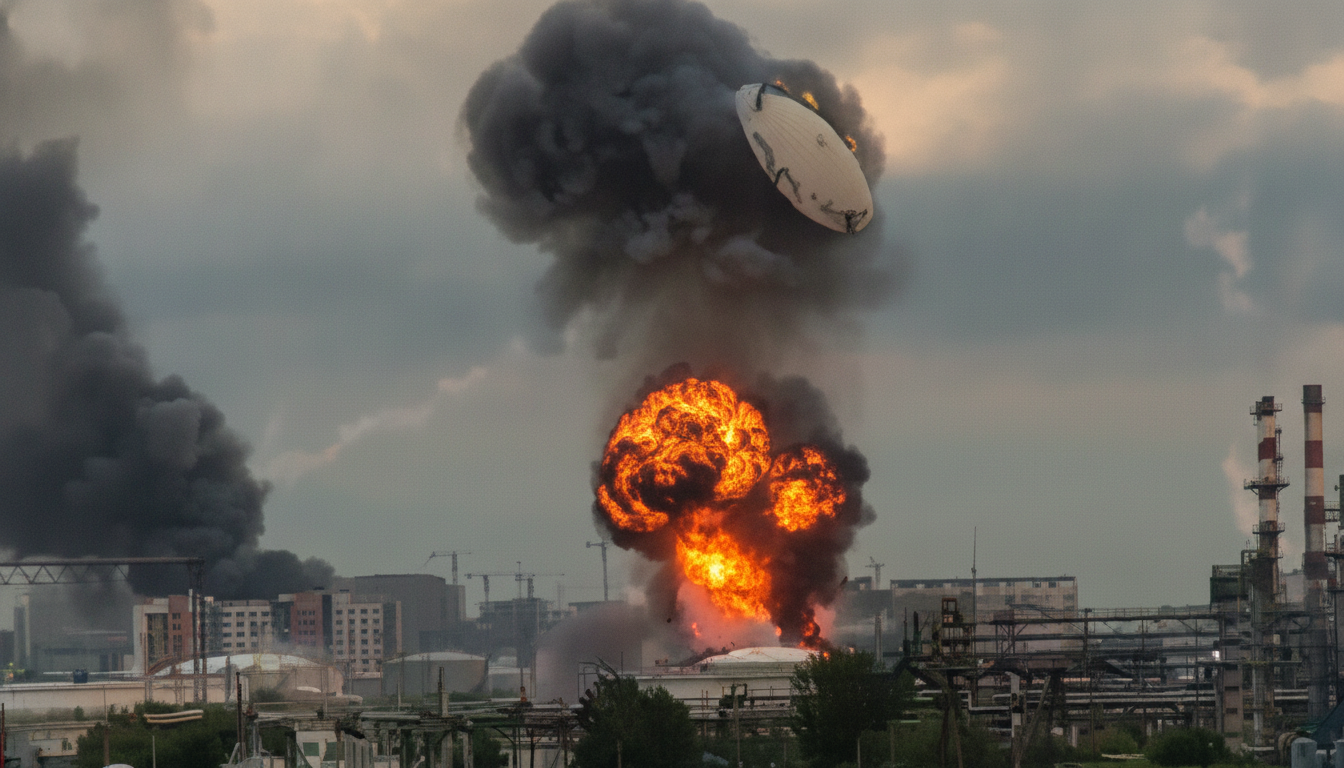
According to TSN.ua: Ukraine is pushing forward with the creation of its own air defense missiles, including interceptors designed to counter ballistic threats, with the first batch potentially ready as early as 2027. These efforts are part of a broader strategic initiative to bolster national security and reinforce the country's sovereignty. The Ukrainian company Fire Point is leading the development of ballistic missiles, specifically the FP-1, FP-2, FP-5, and FP-7 models.
According to available data, the FP-1 missile was responsible for more than 50% of strikes on Russian territory in 2025, underscoring its high effectiveness. In 2026, Ukraine is also scheduled to receive the SAMP/T air defense system, which will further enhance its capability to counter aerial threats. Defense expert Denys Shtilerman emphasized the critical need for indigenous weapon production, stating:
'If you don't have your own weapons that you manufacture yourself, for which you need no permission from any other country, then you have no sovereignty.' Denys Shtilerman
Ukraine's missile development plans are notably ambitious, especially considering that other nations often take decades to achieve similar milestones—and not all succeed in producing effective systems. 'These are very ambitious plans, given that other countries sometimes spend decades on such projects and still cannot boast of effective, working designs,' Shtilerman noted.
Emerging technologies, including drones capable of automatically locking onto targets, are expected to play a key role in advancing Ukraine's defensive capabilities.
Why Building Domestic Weapons Matters
Developing homegrown missiles and air defense systems is a cornerstone of Ukraine's strategy to achieve military independence and reduce reliance on foreign arms suppliers. Given the current security challenges, these initiatives could significantly strengthen the country's ability to counter external threats and enhance its long-term defense posture.
Read also
- Foldable Android phones last just two to three years—here’s why
- Unreliable Turbo Engines: The Most Troublesome Powerplants and How to Protect Them
- JD Power Reliability Rankings: BMW Leads While Audi and Mercedes Lag Behind
- Ukraine’s 'Barracuda' Drone Boat Transforms Into a Mini Aircraft Carrier—Here’s How Many FPV Drones It Carries
- Stuck or Dead Pixels on Your Monitor: Can You Fix the Problem Yourself?
- Brick and Tile-Like Solar Panels: A Game-Changer for Heritage Buildings