







How Ukrainian Drones Are Curbing Russia’s Mass Attacks: What a Year Will Change.
Russian Forces Face Growing Hurdles as Ukrainian Strikes Intensify
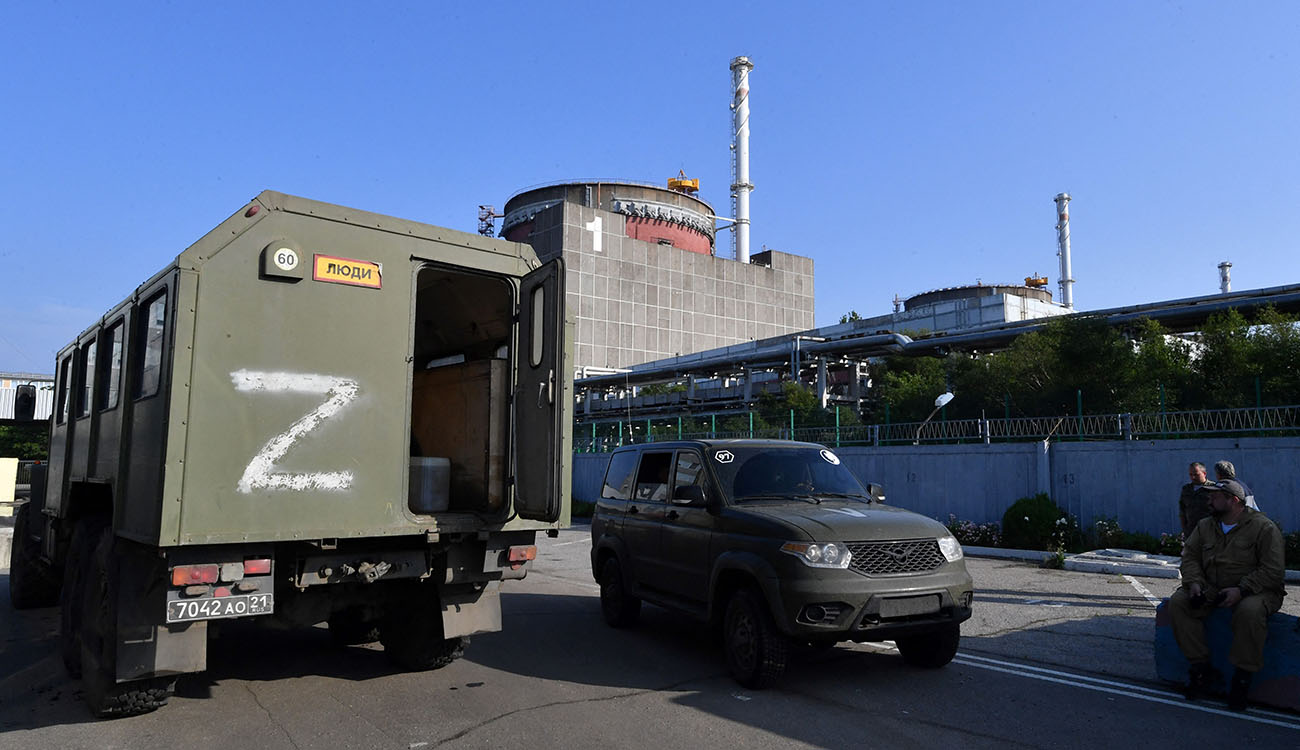
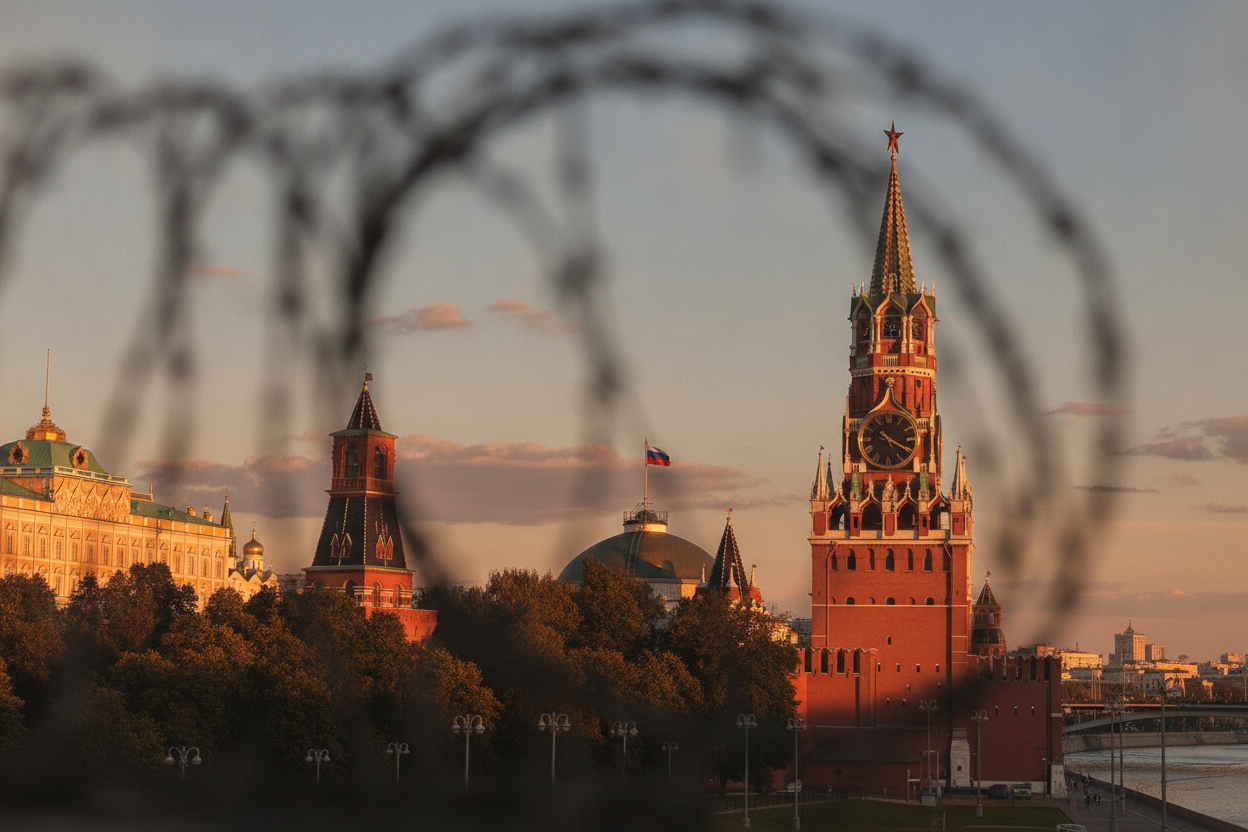
According to TSN.ua: Since March of this year, Ukraine has significantly ramped up its strikes on Russian territory, creating major obstacles for Moscow’s ability to launch large-scale assaults. Activist and public figure Serhiy Sternenko highlights that Ukrainian drones are effectively curbing Russia’s capacity to carry out such operations. This marks a notable shift in the conflict, as Ukraine increasingly takes the fight to Russian soil.
Sternenko predicts that next year, the threat posed by Iranian-made Shahed drones will be far less significant than in previous periods. He argues this will make it much harder for Russian forces to execute mass attacks, while also reducing their overall effectiveness.
“It will be far more difficult for the Russians to carry out mass attacks, and the effectiveness of their actions will decline.” — Serhiy Sternenko
Ukraine’s Strikes Become More Aggressive
Ukraine’s southern regions remain vulnerable due to persistent air defense challenges. Despite this, Sternenko emphasizes that Ukrainian strikes are growing in intensity and destructiveness, specifically targeting key infrastructure tied to Russia’s energy exports.
“We are making our strikes more intense, more destructive, and focused on key facilities important for the export of Russian energy resources.” — Serhiy Sternenko
In the realm of international relations, U.S. President Donald Trump has temporarily lifted sanctions on Russian oil and petroleum products, while a visit to the United States by Putin’s special envoy Kirill Dmitriev is linked to these sanctions easing. Sternenko notes that Russians believe they can profit from oil, whose price has risen due to events in the Middle East.
Preventing Moscow from selling oil is critical, as it could significantly impact the funding of Russia’s military operations.
The increase in Ukrainian strikes on Russian territory, combined with the declining effectiveness of Russian attacks, suggests a potential shift in the balance of power in the conflict. Intensified strikes on energy-related key facilities could also threaten Russia’s financial stability and its ability to sustain military action. At the same time, the easing of U.S. sanctions may complicate the situation if Russia regains the ability to revive its oil export revenues.
Read also
- Trump Endorses a Meeting Between Zelensky and Putin: Peace Proposal Sent to the Kremlin
- AI-Driven Simulation Reveals How a US-China War Over Taiwan Could Ignite
- Trump Backs Proposal for Zelensky-Putin Meeting: What We Know So Far
- Rubio Announces $400 Million Aid Package for Ukraine: Could This Shift Russia’s Stance?
- Expanding Ukraine’s Footprint in the Middle East: Countering the Russian-Iranian Threat
- How Pakistan Became a Key Mediator Between the U.S. and Iran: Trump Extends the Ceasefire