







Advertising





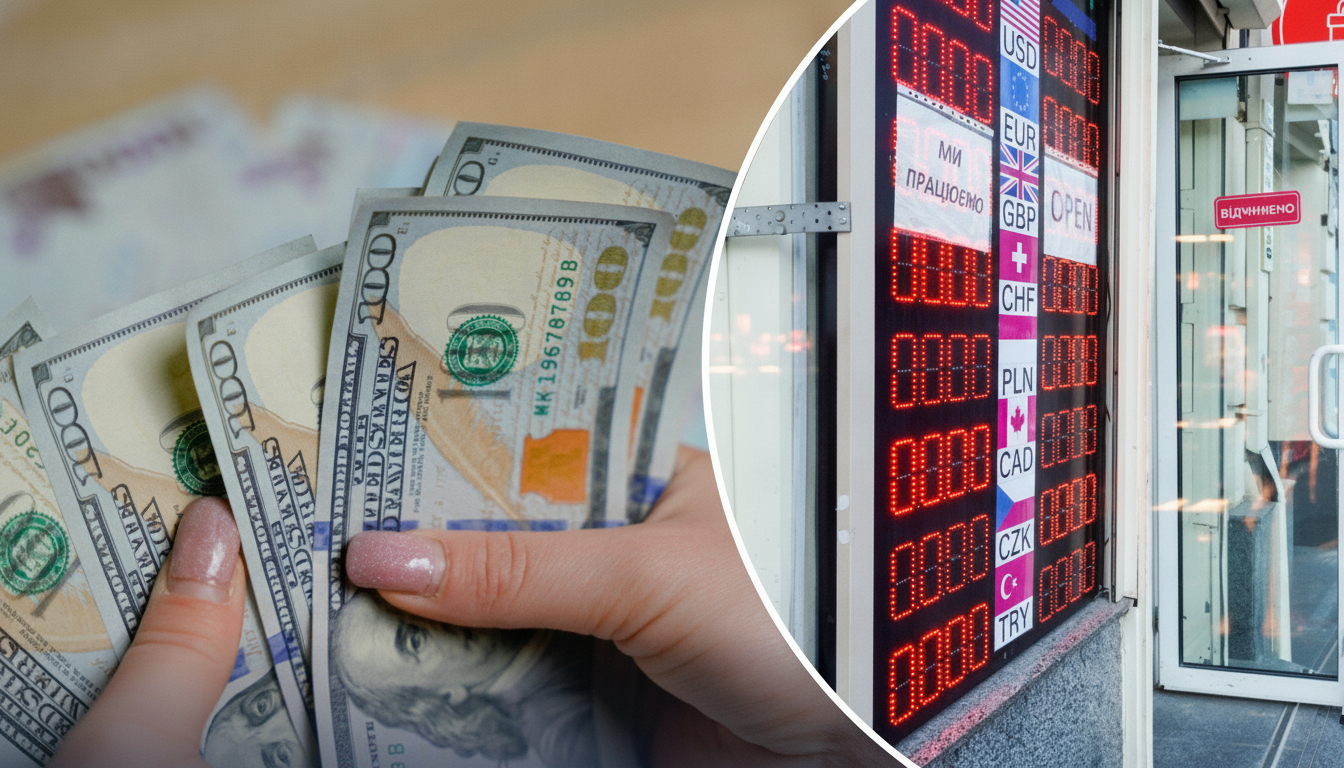

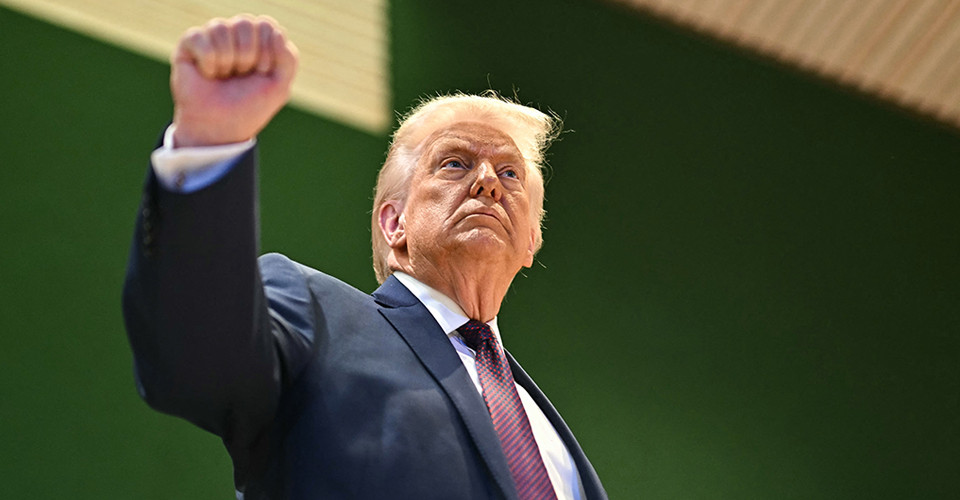
Trump’s Signature Set to Appear on $100 Bill as Treasury Plans Major Currency Redesign
$100 Bill Gets a Historic MakeoverThe U.S. Department of the Treasury is preparing to update the $100 banknote by adding Donald Trump’s signature alongside that of Treasury Secretary Scott Bessent. Bessent previously announced plans to unveil the redesigned bill by July 4th.Prototypes for New Denomi...
today, 11:48
209


Horoscope
LIFESTYLE


Tourism



Wasting Money on Fuel? 6 Fuel-Saving Myths That Don't Actually Work
today, 12:18
175

A Quick 20-Minute Red Currant Jam Recipe You’ll Love
today, 06:36
335

Tech


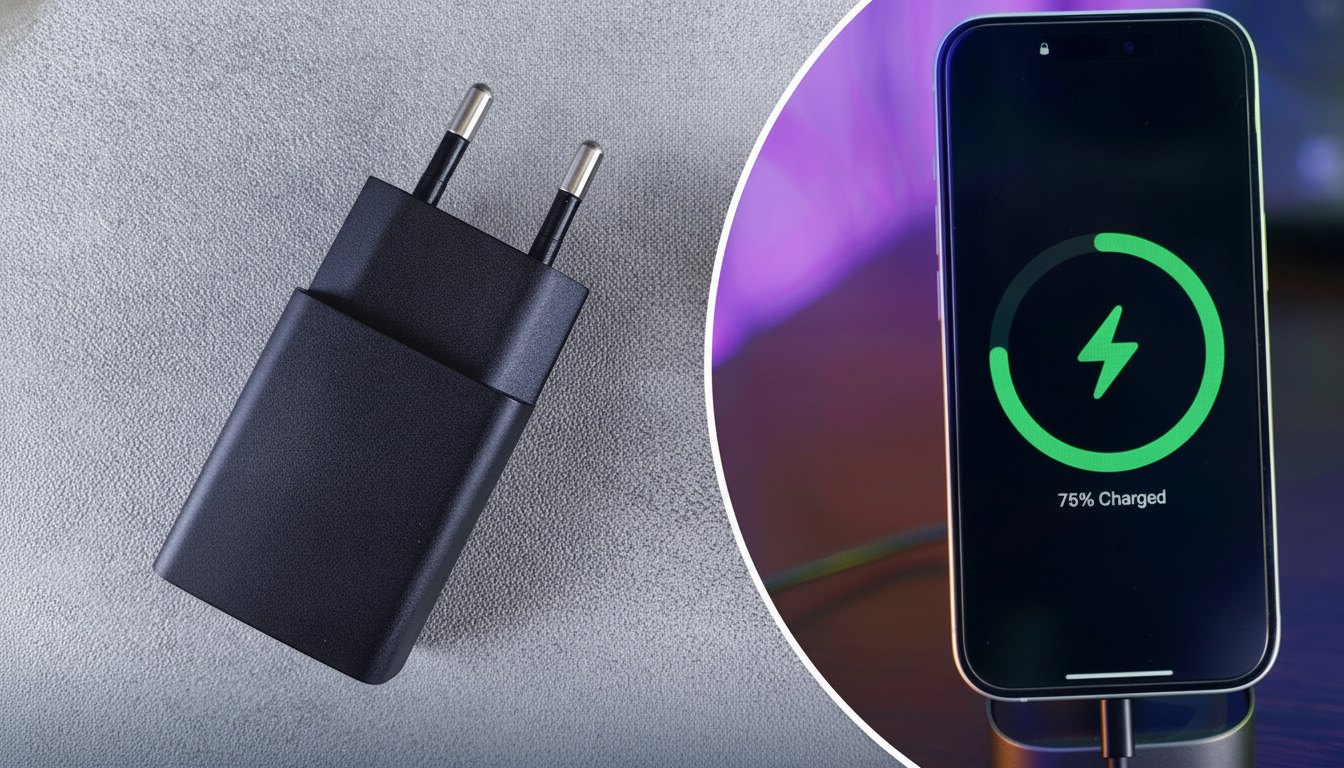
5 Simple Smartphone Settings to Extend Battery Life Without Charging
today, 07:18
335
Lifecell Introduces Gigabit Internet with Price Lock Until 2027
today, 04:30
362

Why Your Android Phone Might Charge Slowly Even with a High-Power Adapter
yesterday, 15:48
464
Society




Showbiz




Three Spy Comedies for a Relaxing Weekend Getaway
today, 01:36
367
David Lynch Films and Series: Best Works of the Cult Cinema Director
yesterday, 17:41
406
4 Heartwarming Animal Movies the Whole Family Will Love
yesterday, 15:30
447
Farewell in Kyiv: TikTok Star Denys Opara Laid to Rest After Sudden Illness
yesterday, 05:18
553
Sports




What to Do If You Miss Your Train Due to an Air Raid: Ukrzaliznytsia’s Guidelines
yesterday, 11:12
446