









Ukrainian Consumers Face Rising Costs as Middle East Conflict Disrupts Global Energy Markets.

Middle East war and rising prices

Ukraine's Energy Situation

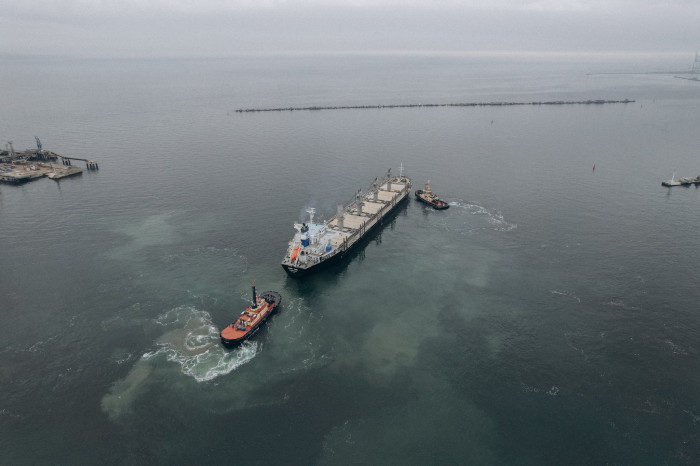
According to TSN.ua: Significant instability in global energy markets, triggered by military actions involving the US, Israel, and Iran, is driving up the cost of oil, gas, and goods in Ukraine. The price of Brent crude oil has risen by 3.3% to $84 per barrel. A major factor is the closure of the Strait of Hormuz since March 2, 2026, which has caused a 70% drop in maritime traffic. This blockade has severely disrupted the global energy supply chain.

In Ukraine, the cost of natural gas has surged by approximately 20%, reaching 27,800 UAH per thousand cubic meters, its highest level in over six months. For context, European gas prices have risen by 52%. Despite this wholesale increase, the regulated tariff for most Ukrainian households will remain unchanged at 7.96 UAH per cubic meter until April 30, 2026.

Forecast for Fuel and Food Prices

Food prices are projected to increase by 12%. According to Dmytro Liovushkin,

"the price of gasoline and diesel could skyrocket to 100-150 UAH per liter"
. As of March 6, fuel prices in Ukraine are as follows:

  • 95-premium gasoline - 72.24-73.99 UAH per liter;
  • 95 gasoline - 65.99-68.32 UAH per liter;
  • 92 gasoline - 65.51 UAH per liter;
  • diesel fuel - 66.99-70.99 UAH per liter;
  • autogas (LPG) - 37.49-41.98 UAH per liter.

Anatolii Amelin noted that

"the Strait of Hormuz will not reopen until the military operation is over"
. Meanwhile, the Antimonopoly Committee of Ukraine has emphasized that 'prices for refined petroleum products are not subject to state regulation'. The official US dollar exchange rate as of March 5 was 43.71 UAH. This confluence of factors presents serious challenges for the Ukrainian economy against a backdrop of global instability.

The current global energy situation, particularly the closure of a key maritime chokepoint, is creating additional economic pressures not only for Ukraine but for many nations reliant on energy imports. As energy costs rise, the Ukrainian economy faces mounting inflationary pressures, which are likely to impact consumer spending and the overall cost of living for its citizens.


Read also

Advertising