









A New Threat Emerges: Enemy FPV Drone Reaches Kharkiv via Fiber Optic Line.

A New Threat Emerges: Enemy FPV Drone Reaches Kharkiv via Fiber Optic Line

Threat from the North

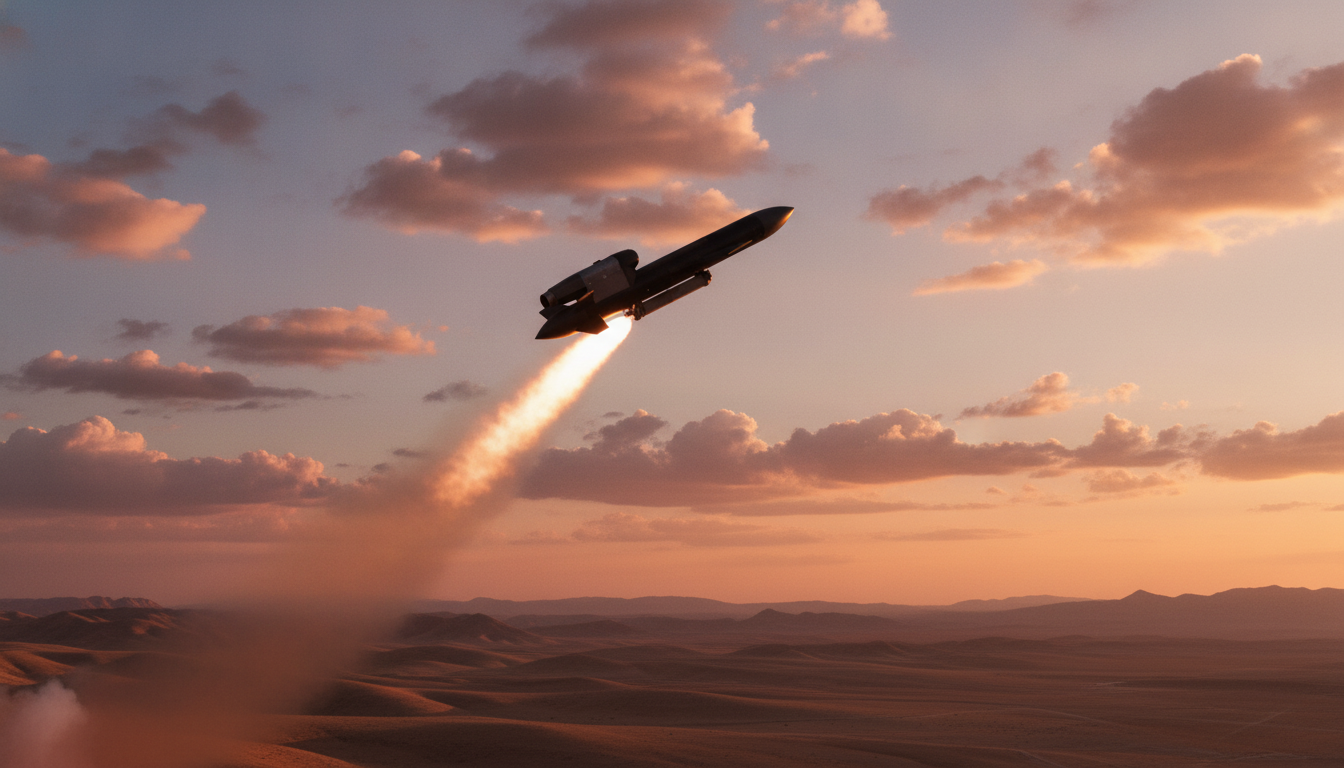
According to TSN.ua: An enemy FPV drone, guided via a fiber optic line, has been detected reaching the northern outskirts of Kharkiv. This incident, occurring approximately 23.4 km from the border with the Russian Federation, signals a significant escalation in the threat level for frontline cities. The drone traveled over 20 km, raising serious concerns among local residents and military experts about the vulnerability of urban areas previously considered more secure.

A Shift in Enemy Tactics

Previously, such drones were primarily deployed in active combat zones. Their appearance deep inside Ukrainian territory near the border indicates a tactical shift by Russian forces. Serhiy Beskrestnov, known by the call sign 'Flash', commented on the situation:

“An enemy drone on a fiber optic line reached the northern outskirts of Kharkiv. These are real threats that we will have to address with technological solutions.” — Serhiy Beskrestnov

This event marks a new phase of danger for frontline cities, as drones capable of covering such distances can be used for:

  • reconnaissance
  • artillery fire correction
  • strikes

These drones are particularly difficult to detect due to their technical specifications, complicating air defense efforts. This development underscores how technological innovation in warfare can rapidly alter the security landscape in border regions. Consequently, local and national security services must urgently adapt to these new challenges and implement appropriate measures to protect the civilian population.

The incident demonstrates the adversary's adaptation to new conditions, utilizing longer-range systems to project force. Strengthening surveillance and defensive countermeasures is now critical to prevent potential threats to both civilians and military units in the region. This tactic exploits the difficulty of intercepting low-flying, small drones over long distances.


Read also

Advertising