Drone Attack on Kursk and Astrakhan: Gazprom Halts Plant Due to Damage.

Drone Attack on Kursk Region
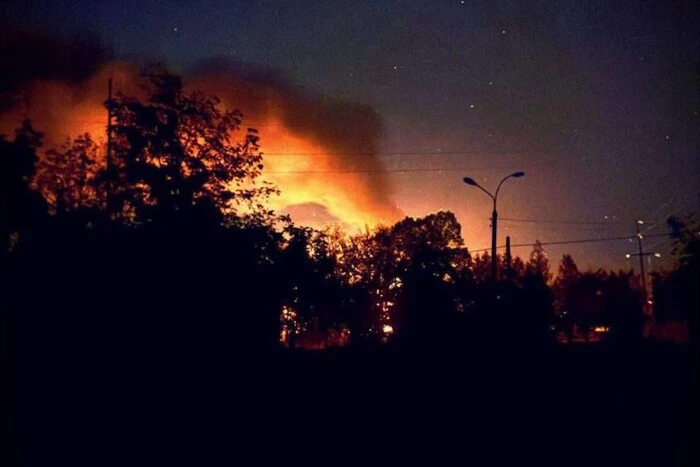
According to inkorr.com: On the night of September 24, drones attacked the Kursk region of Russia. The city of Lgov became the epicenter of these attacks, where energy infrastructure was damaged, leaving some residents without electricity, according to 'Glavcom'.
Kursk region governor Alexander Khinshtein confirmed this information, noting that most residents of Lgov and the Lgovsky district temporarily lost power.
Local residents also reported several explosions in the city of Rylsk, which also experienced power outages. In addition, the Russian Astrakhan gas processing plant, owned by the energy giant 'Gazprom', halted motor fuel production after the drone attacks. The plant is located near the Caspian Sea, about 1675 km from the Ukrainian border. The resumption of production may take several weeks or even months.
Attack on Moscow
Moscow Mayor Sergey Sobyanin reported that air defense forces successfully repelled an attempt by drones to attack the capital. According to him, seven drones that tried to cause damage to Moscow were destroyed, and emergency services are working on-site with no damages reported.
Russian publics are also reporting explosions in various districts of Moscow. It is worth noting that drones had previously struck the Astrakhan gas processing plant on the night of February 3, where natural gas and gas condensate are actively processed.
Impact of the Attacks on Energy Infrastructure
As a result of the drone attacks on various regions of Russia, energy infrastructure and the gas processing plant were damaged. This led to technical and material losses. The Russian authorities have already begun to respond to the situation and are taking measures to restore the operations of enterprises.
Drone attacks on energy infrastructure strike at the stability of the region, which could affect the energy supply for the local population. This underscores the relevance of new threats to critical infrastructure in the context of heightened tensions in international relations.
Read also
- Massive Drone Attack Hits Crimea and Moscow: Explosions, Power Outages, and a Major Fire
- Drone Strikes Hit Moscow: Refinery Fires Erupt and Airports Face Flight Restrictions
- Moscow Hit by Largest Drone Attack Yet: 37 Drones Downed, Kapotnya Refinery Blazing
- Drone Strike on Moscow Oil Refinery: Sobyanin Acknowledges Extensive Damage
- Drone Swarm Strikes Moscow: Oil Refinery Damaged in Large-Scale Attack
- Three Drones Shot Down Near Moscow After Striking Russia’s Largest Oil Refinery