








Advertising


Advertising




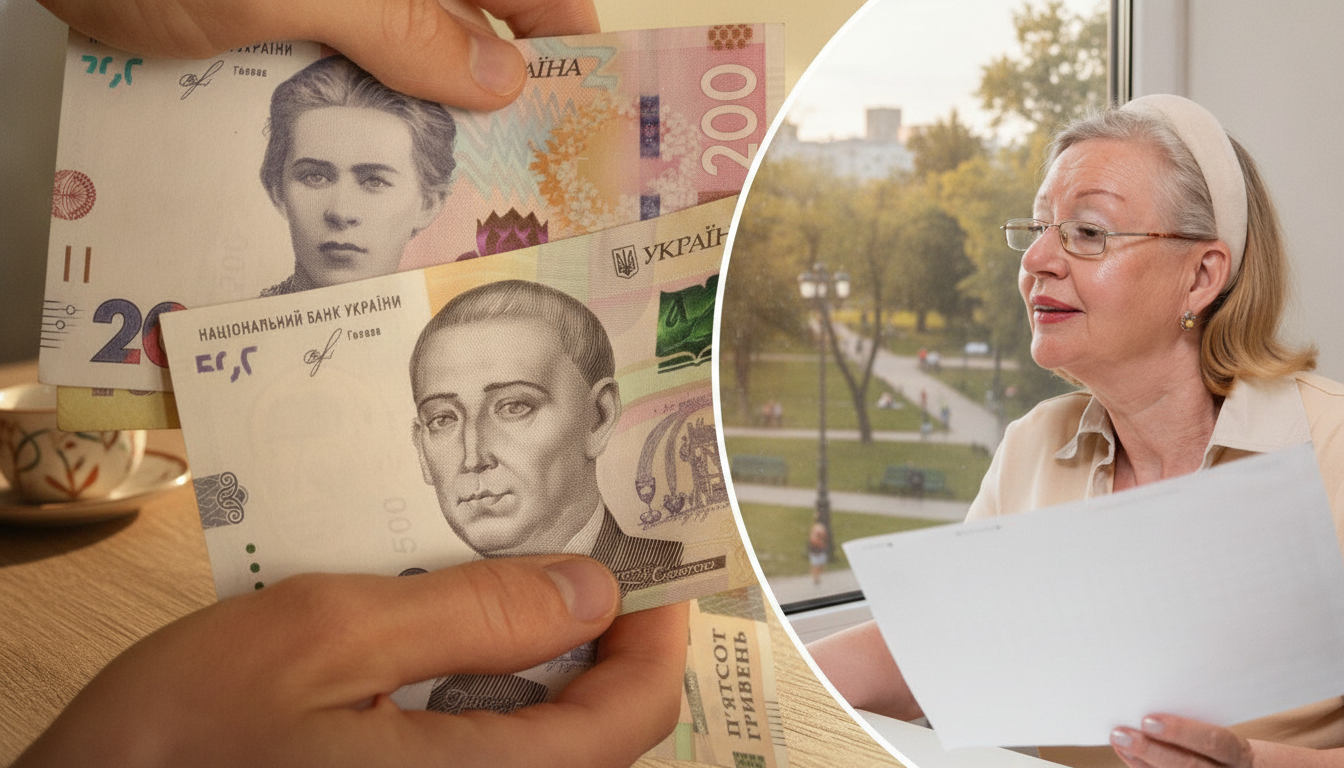
New App Feature from Naftogaz: How Gas Payments Are Changing
today, 09:24
181

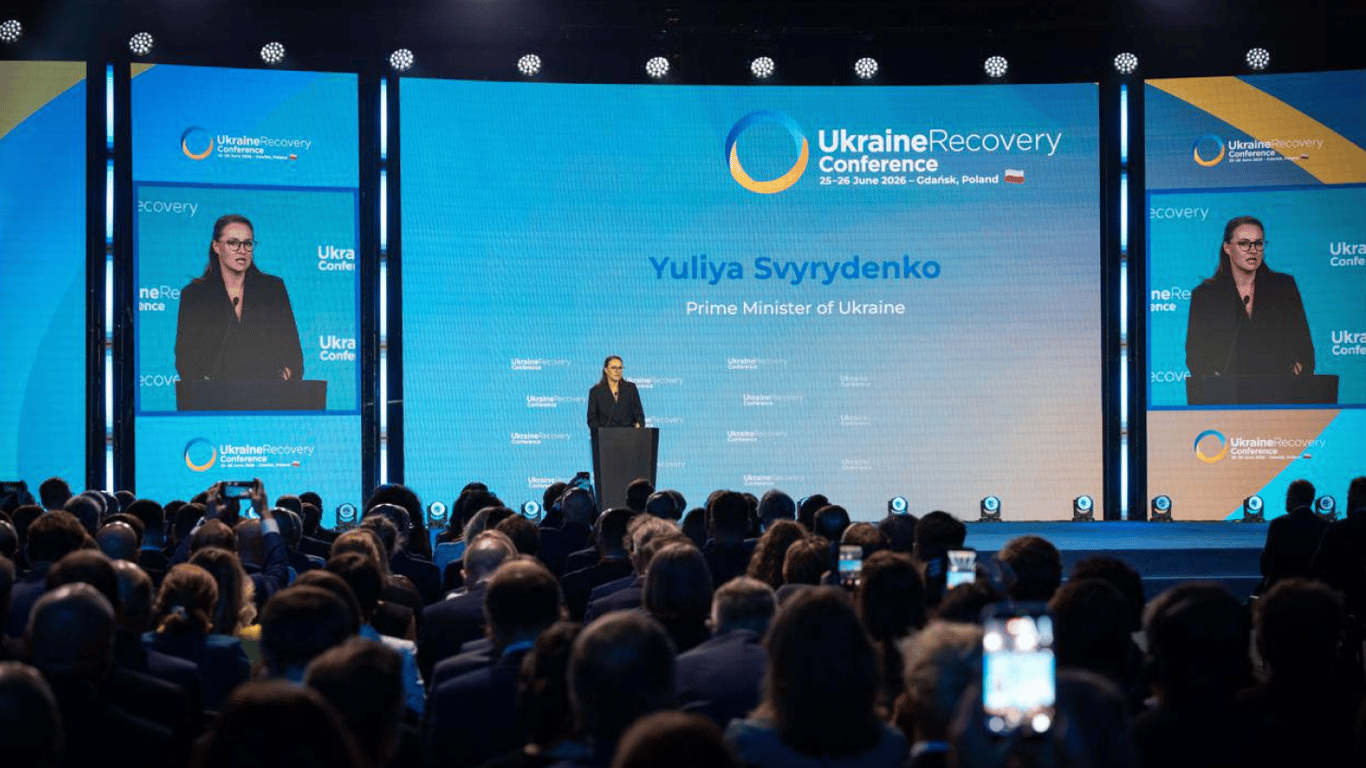
Ukraine signs 160 deals worth €10 billion: what it means for reconstruction
Ukraine Recovery Conference Prime Minister Yulia Svyrydenko announced the signing of 160 agreements totaling over €10 billion at the Ukraine Recovery Conference held in Gdańsk on June 25. The event brought together more than 80 Ukrainian companies and 2,000 business representatives from around the w...
today, 08:01
282
What Ukraine's EU Economic Clusters Mean for Citizens: A Breakdown
today, 06:42
333
Horoscope
LIFESTYLE


Tourism






Quick 15-Minute Breakfast: Milk-Based Zucchini Pancakes Recipe
today, 06:30
325

Baked Apricots with Camembert and Honey: An Easy Appetizer Recipe
today, 04:18
340
Tech
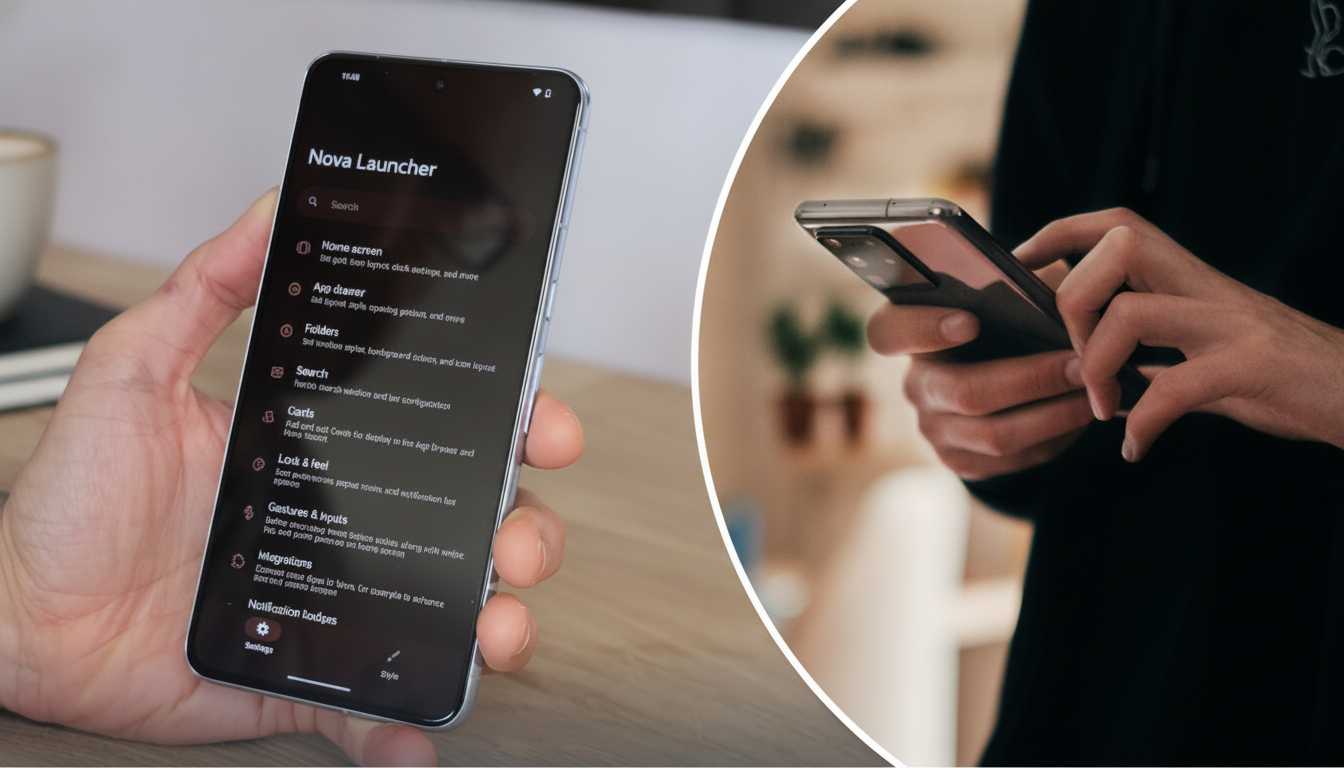

Transform Your Phone in Two Minutes: A Risk-Free Guide to Setting Up Nova Launcher
yesterday, 17:54
412
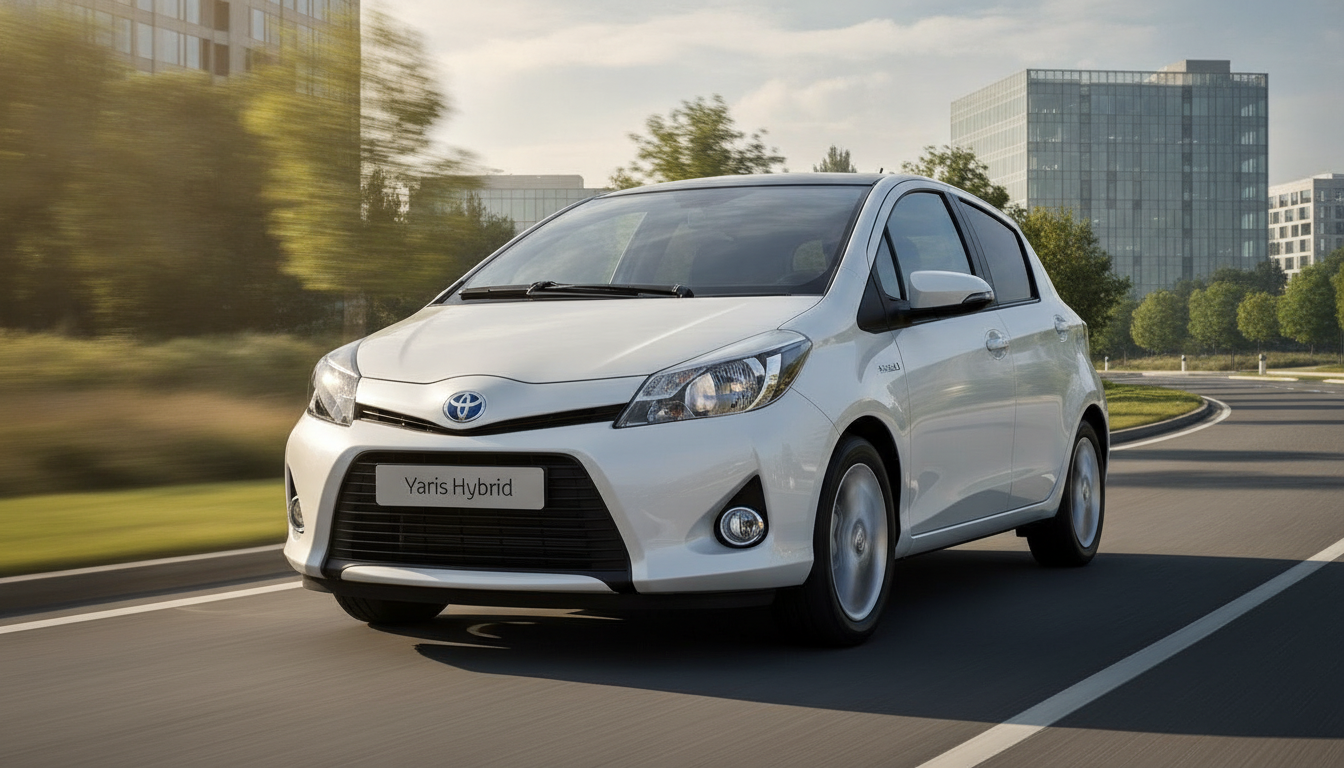
Cars That Go the Distance: Models Reaching 400,000 km Without Major Repairs
yesterday, 16:30
412
Society



Showbiz
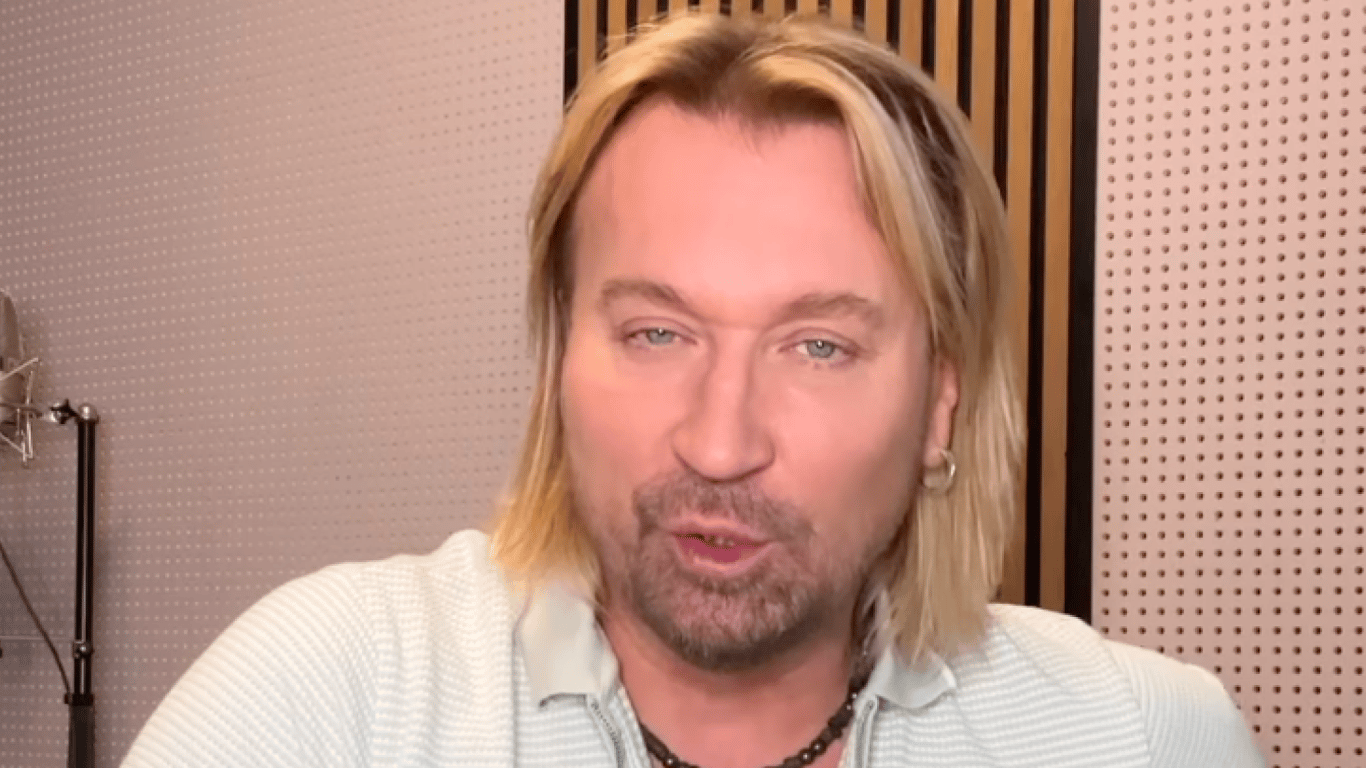


Moldova Blacklists Ukrainian Singer Oleh Vynnyk: What We Know So Far
yesterday, 20:12
393
Mavka: The Forest Song Who Voiced It: Actors and Voices of Characters
yesterday, 15:56
447
Sports



World Cup 2026 Group Stage: Germany and USA Top Their Groups, Tunisia Eliminated
yesterday, 15:43
498
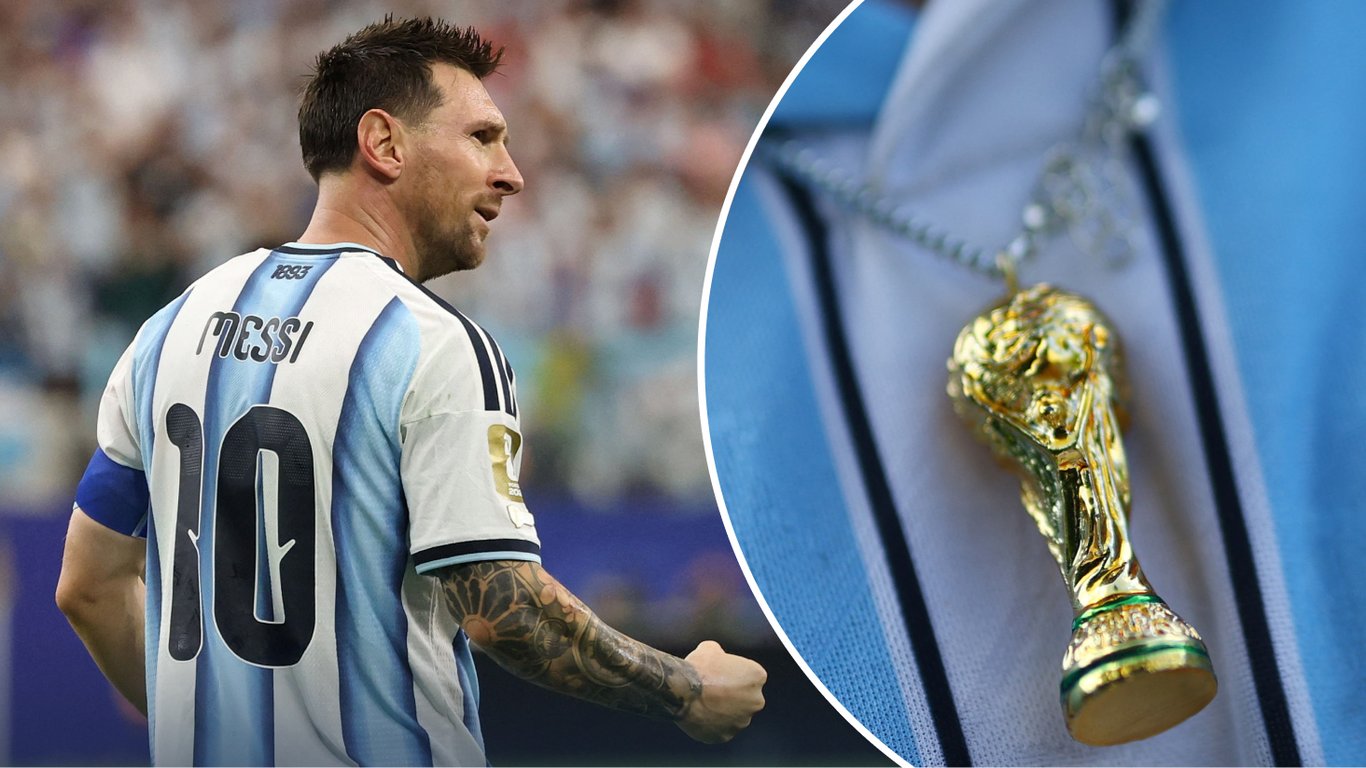
Argentina Dominates 2026 World Cup: Messi Scores All Five Goals for His Team
yesterday, 11:00
489

Belize Private Island on the Market for $700,000: Key Details Revealed
yesterday, 20:00
372
Europe Heatwave: Deutsche Bahn Offers Free Ticket Refunds Until June 23
yesterday, 18:30
410
Odessa's New Resort Status Sparks Outrage Over $3,500 Weekly Beachfront Rentals
yesterday, 16:48
417