






EU Reassesses Temporary Protection for Ukrainians: New Restrictions and Eligibility Rules Post-2027.
Review of Temporary Protection for Ukrainian Refugees
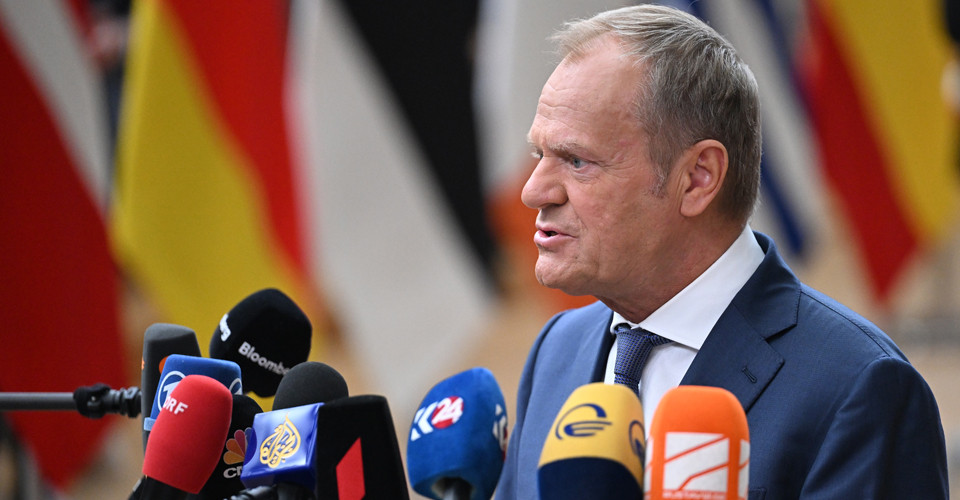
According to TSN.ua: The European Union has initiated a review of its temporary protection policy for Ukrainian refugees, which currently remains in effect until March 2027. As part of this process, officials are discussing potential limitations and updated criteria for eligibility. Key points of debate include the designation of safe zones within Ukraine and the possibility of restricting protection for men of conscription age.
It is worth noting that the recommendation to phase out temporary protection was adopted in June 2025. The next step will be a new proposal from the European Commission, expected in May 2024. After that, EU member states must approve the final decision on temporary protection for Ukrainians by a qualified majority vote.
Topics Under Discussion
Among the critical issues being considered is whether certain regions of Ukraine can be declared safe for return. Switzerland has already recognized seven western oblasts of Ukraine as such. Additionally, there is debate over how mobilization policies should be handled, specifically the potential to limit protection for men aged 18 to 60. Another significant concern involves long-term residency, as there is currently no consensus on granting Ukrainians the right to a permanent residence permit after five years of stay.
Magnus Brunner, an EU official, stated: 'Temporary protection—as the name implies—is temporary, so we need a follow-up plan for after March 2027.'
This statement highlights the pressing need to develop new initiatives for Ukrainian refugees in light of evolving security dynamics and shifting socio-economic conditions across Europe.
Extending temporary protection for Ukrainian refugees until 2027 represents a significant step in supporting those forced to flee their homes due to war. However, the reassessment of protection conditions—particularly concerning safe regions and age-based restrictions—could affect many Ukrainians hoping to return home. The recognition of certain areas in Ukraine as safe for return, along with discussions on mobilization, underscores the complexity of the refugees' situation and the necessity for the EU to harmonize its policies regarding their future status.
Read also
- Why Russia Can't Sustain a Long War: General Malomuzh Reacts to Zelenskyy's Invitation to Putin
- Armenia’s Elections as a Test of Statehood Amid a Hybrid War with Russia
- UK, France, and Germany Reaffirm Support for Ukraine, Outlining Peace Conditions
- Netanyahu Has No Choice but to Accept US-Iran Deal, Trump Claims
- Zelenskyy arrives in the UK for talks with European leaders and King Charles III
- Trump Urges Iran to Negotiate Following Missile Strike: Key Details Emerge