








Understanding the U.S.-Ukraine Security Agreement: Key Provisions and How It Differs from NATO.

Bilateral security guarantees agreement signing

Understanding the U.S.-Ukraine Security Agreement: Key Provisions and How It Differs from NATO

According to TSN.ua: Nico Lange, a former advisor to Germany's defense minister and an expert with the Munich Security Conference, has emphasized the critical importance of Ukraine's self-reliance for its own security. He detailed a peace plan developed by Ukraine alongside its European partners, which includes a bilateral security agreement with the United States that is currently in its final stages of negotiation.

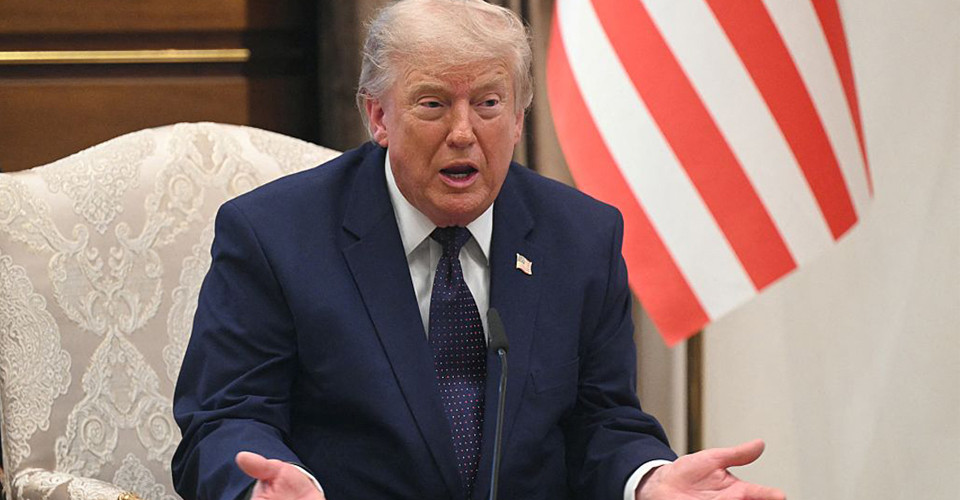
This bilateral pact is one of three supplementary documents to a broader 20-point peace framework. U.S. President Donald Trump and Ukrainian President Volodymyr Zelenskyy have already agreed to its terms. Lange stressed that while the new U.S. security guarantees are significant, Ukraine's independence and its own capacity for self-defense remain its most vital safeguards. This agreement comes amidst ongoing regional tensions and represents a major bilateral commitment outside of existing alliance structures.

“The greatest and most reliable security guarantee for Ukraine is Ukraine itself.” - Nico Lange

Lange clarified that this document is not equivalent to NATO's Article 5, which mandates collective defense. “This is not like Article 5,” he noted, pointing out that the new guarantees do not promise automatic military support for Ukraine in the event of aggression.

Furthermore, Lange highlighted that many specifics within the broader peace plan remain undefined. He believes peace in Europe will only be possible when European nations are capable of defeating and deterring Russian aggression.

“Peace in Europe will only come when Europe defeats and deters Putin.” - Nico Lange

Therefore, discussions around the U.S. security guarantees underscore the primacy of Ukraine's autonomous defense capabilities and present alternative diplomatic pathways for settlement that exist outside the NATO framework. Given the current geopolitical climate, such initiatives could become a crucial element in bolstering Ukraine's security, even though they do not provide for automatic military intervention. This reality points to the continued necessity of strengthening Ukraine's defensive resilience and pursuing diplomatic efforts to achieve regional stability.


Read also

Advertising