








Advertising


Advertising


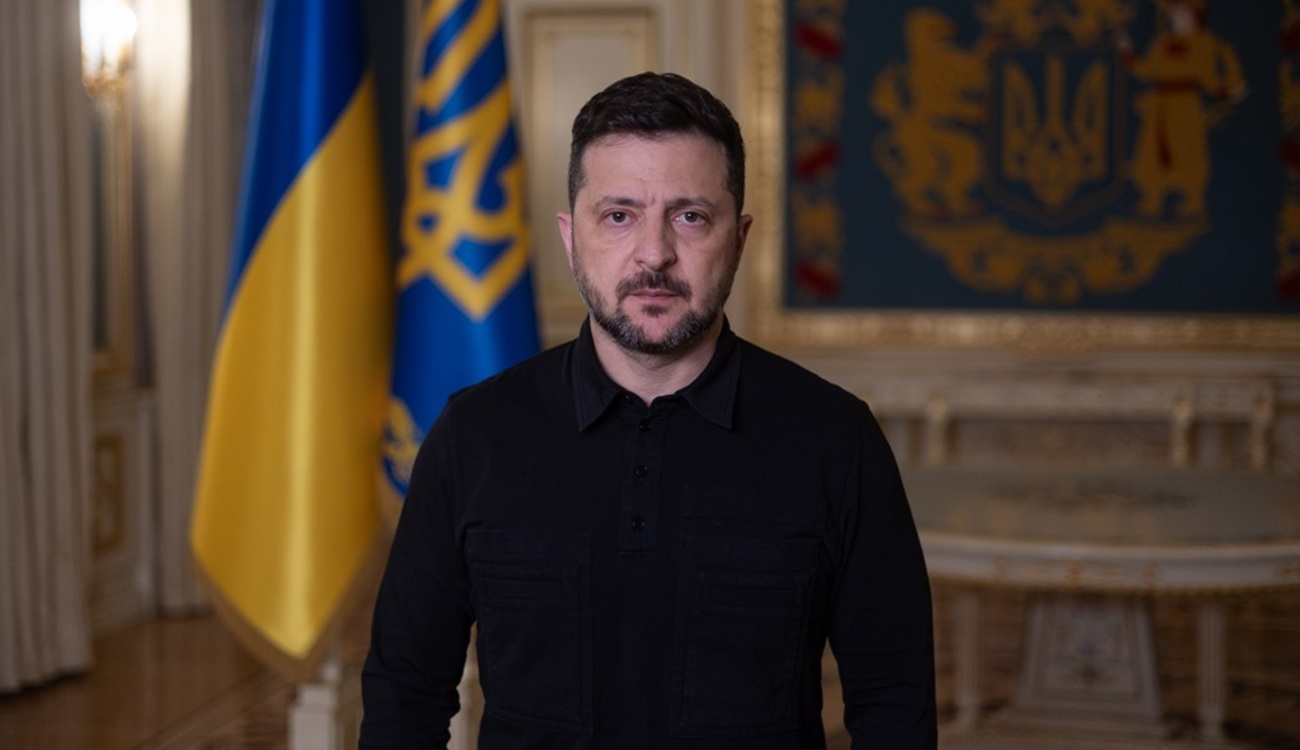
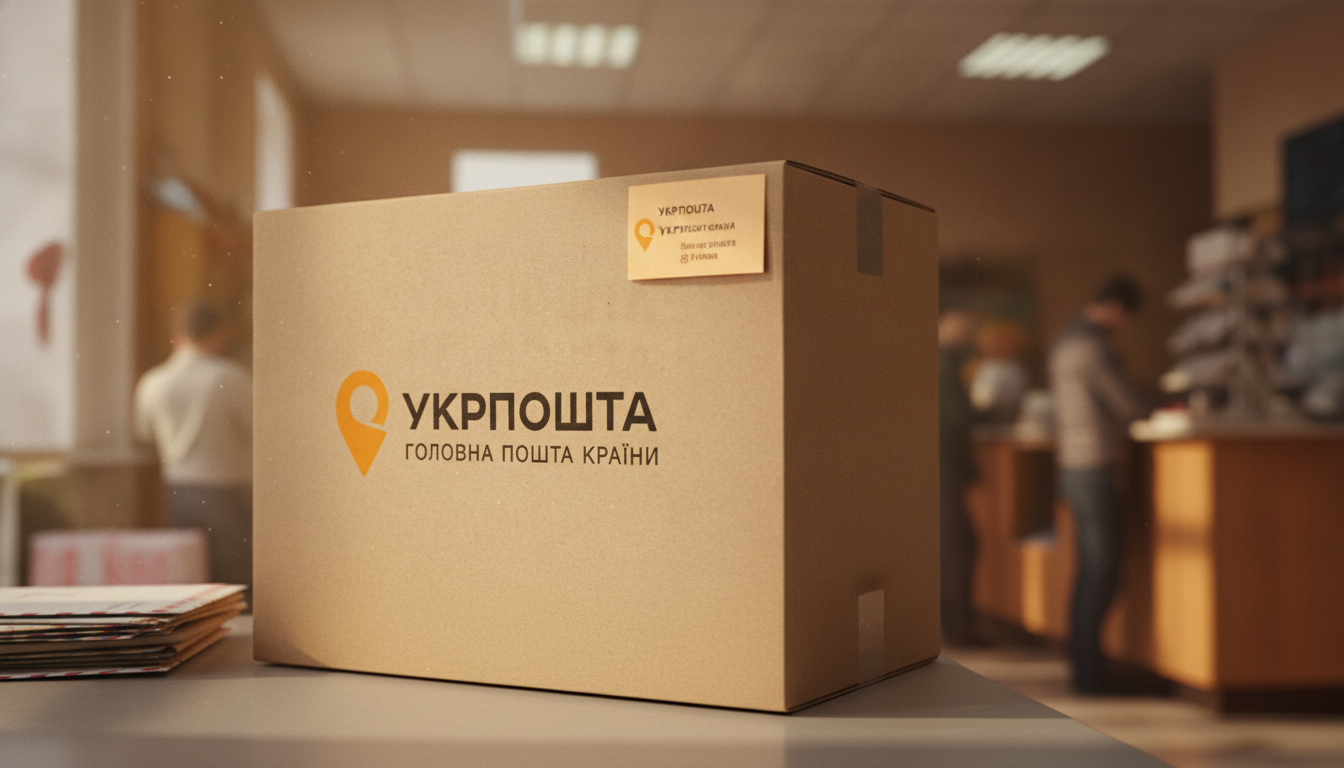


Up to 12,300 UAH in U.S. Aid for Residents of Chernihiv and Sumy Regions: Who Qualifies
Financial Support Program in Chernihiv and Sumy Oblasts In the summer of 2026, a U.S.-government-funded financial assistance program was launched for war-affected residents of the Chernihiv and Sumy regions, offering up to 12,300 UAH per eligible household. This initiative is designed to support th...
today, 08:00
285


Horoscope
LIFESTYLE

Tourism




A Quick 20-Minute Red Currant Jam Recipe You’ll Love
today, 06:36
296


Tech



5 Simple Smartphone Settings to Extend Battery Life Without Charging
today, 07:18
301
Lifecell Introduces Gigabit Internet with Price Lock Until 2027
today, 04:30
348

Why Your Android Phone Might Charge Slowly Even with a High-Power Adapter
yesterday, 15:48
454
Society



Showbiz




Three Spy Comedies for a Relaxing Weekend Getaway
today, 01:36
356
David Lynch Films and Series: Best Works of the Cult Cinema Director
yesterday, 17:41
399
4 Heartwarming Animal Movies the Whole Family Will Love
yesterday, 15:30
437
Farewell in Kyiv: TikTok Star Denys Opara Laid to Rest After Sudden Illness
yesterday, 05:18
541
Sports




Real Madrid Academy Graduate Joins Karpaty: Meet Mohamed Muhlis
yesterday, 23:06
389

What to Do If You Miss Your Train Due to an Air Raid: Ukrzaliznytsia’s Guidelines
yesterday, 11:12
429