







Advertising


Advertising

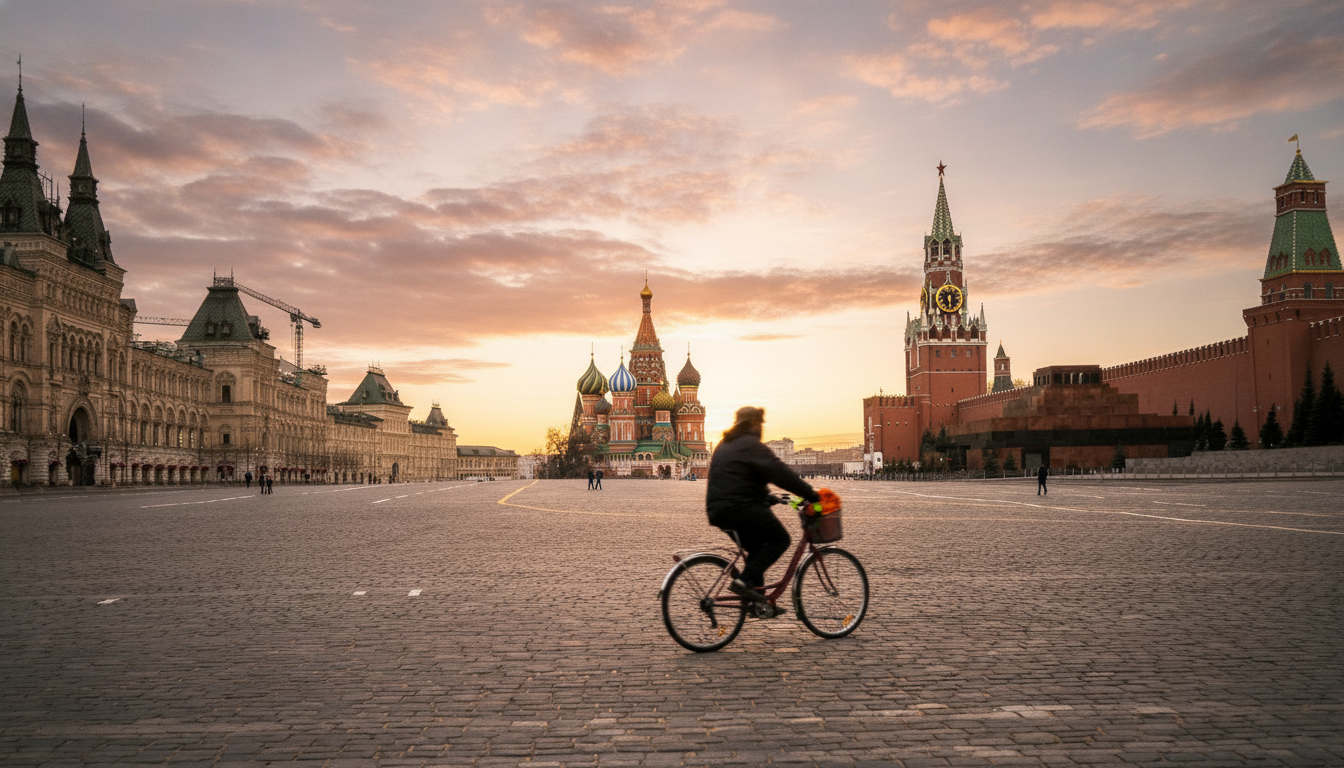

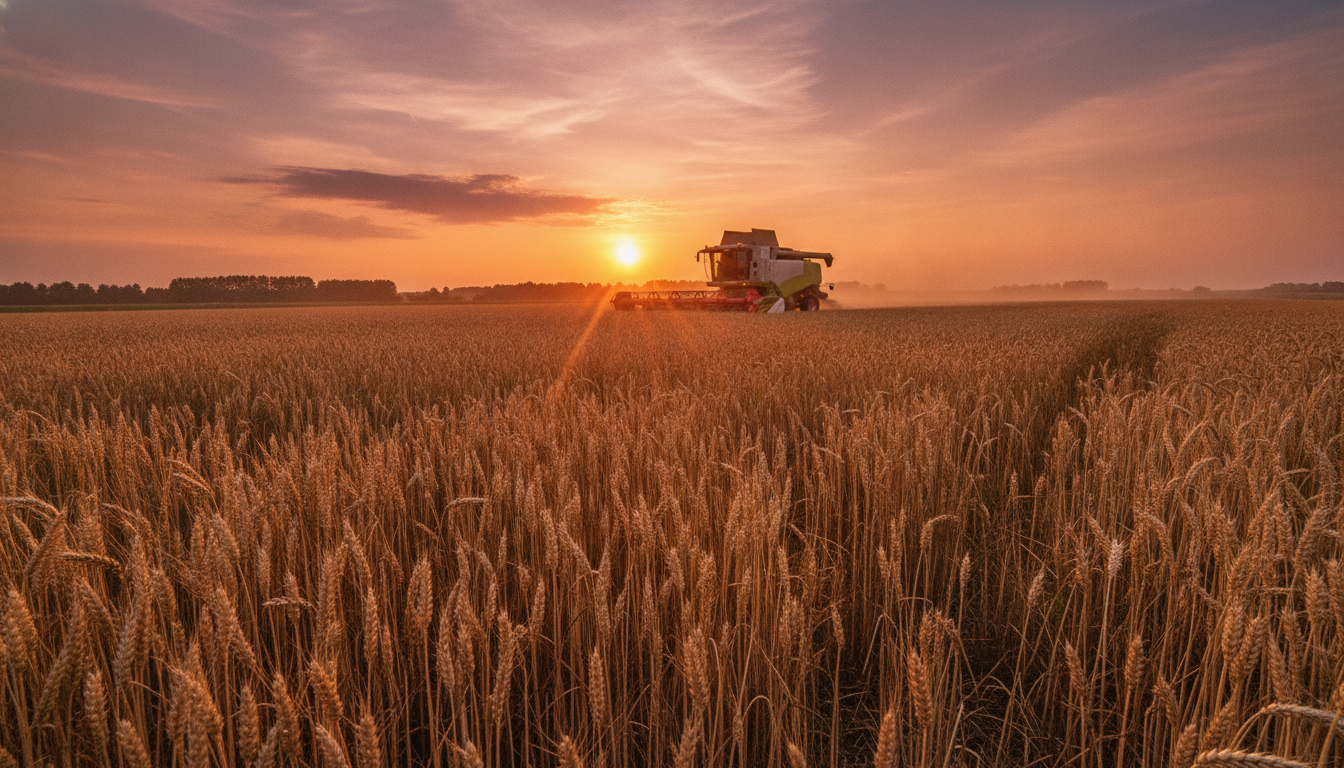
Fuel Crisis Slashes Russia’s 2026 Harvest to Just 3% of Target
Russia’s Harvest Falls Behind Schedule As of July 1, only 3% of Russia’s planned 2026 crop area—amounting to 1.3 million hectares—has been threshed, marking a delay of one to two weeks. The slowdown stems from fuel supply disruptions and unfavorable weather, threatening the country’s agricultural se...
today, 19:03
342
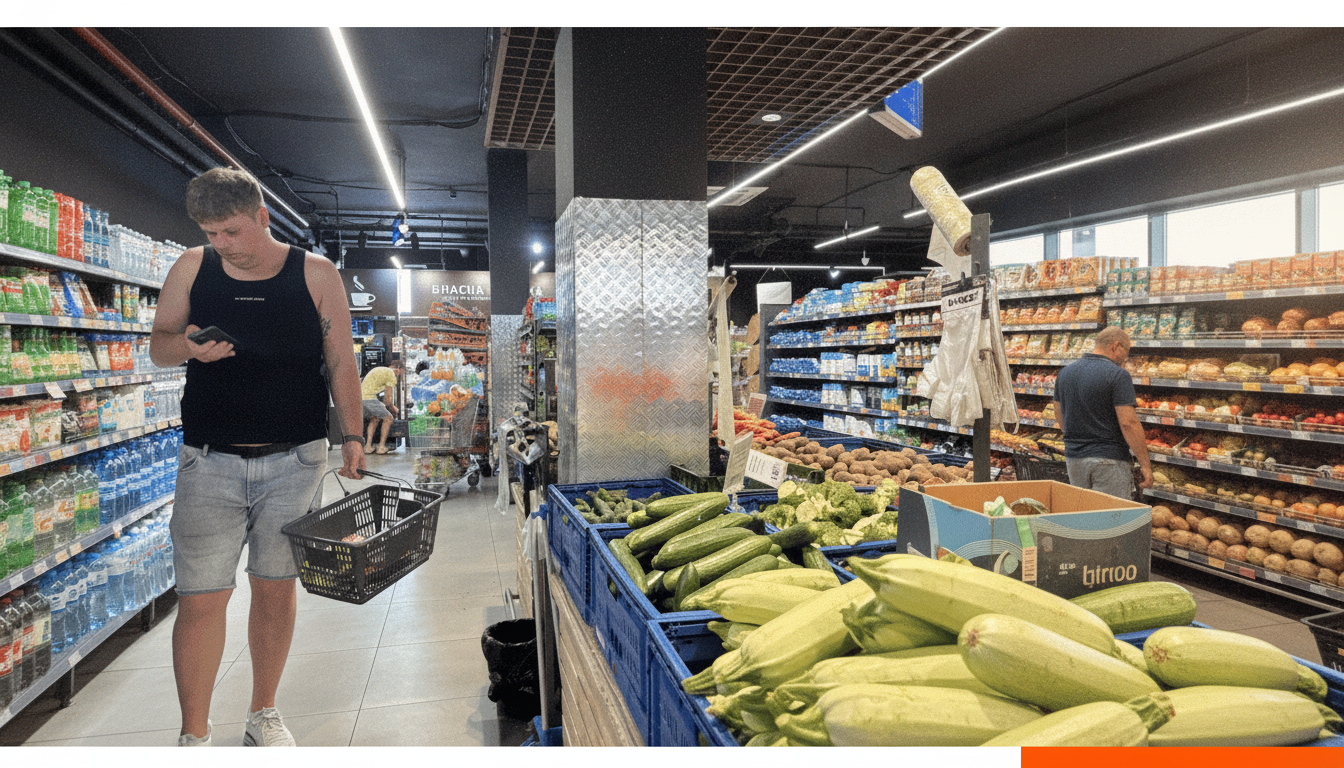
Up to 60% Off at ATB and Silpo: Best Grocery Deals on July 3
today, 18:48
317
Horoscope
LIFESTYLE

Tourism


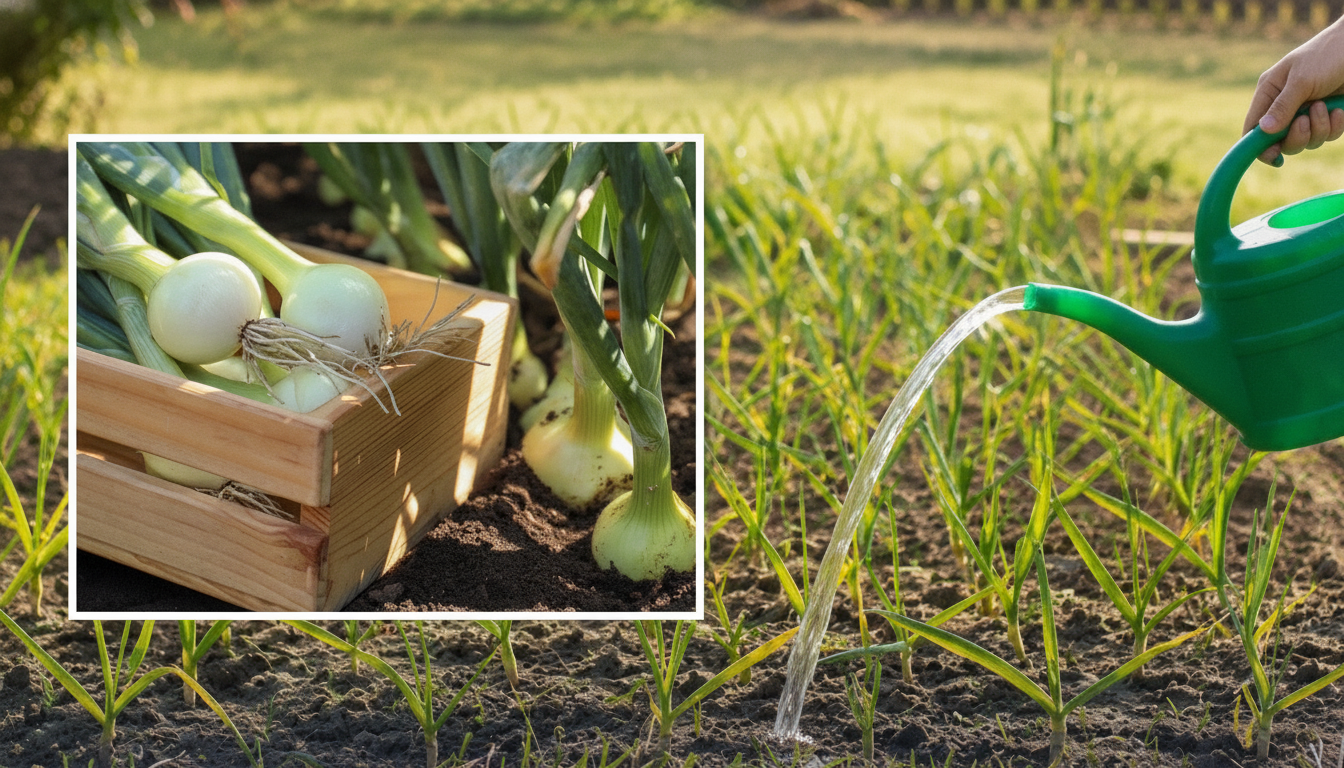

Hot Sandwiches in Minutes: A Cheese and Onion Filling Recipe
today, 14:30
360






Showbiz



David Lynch Films and Series: Best Works of the Cult Cinema Director
today, 17:41
331
4 Heartwarming Animal Movies the Whole Family Will Love
today, 15:30
379

4 Nicholas Sparks Film Adaptations You Should Watch
yesterday, 20:18
480
Sports

Real Madrid Academy Graduate Joins Karpaty: Meet Mohamed Muhlis
today, 23:06
47




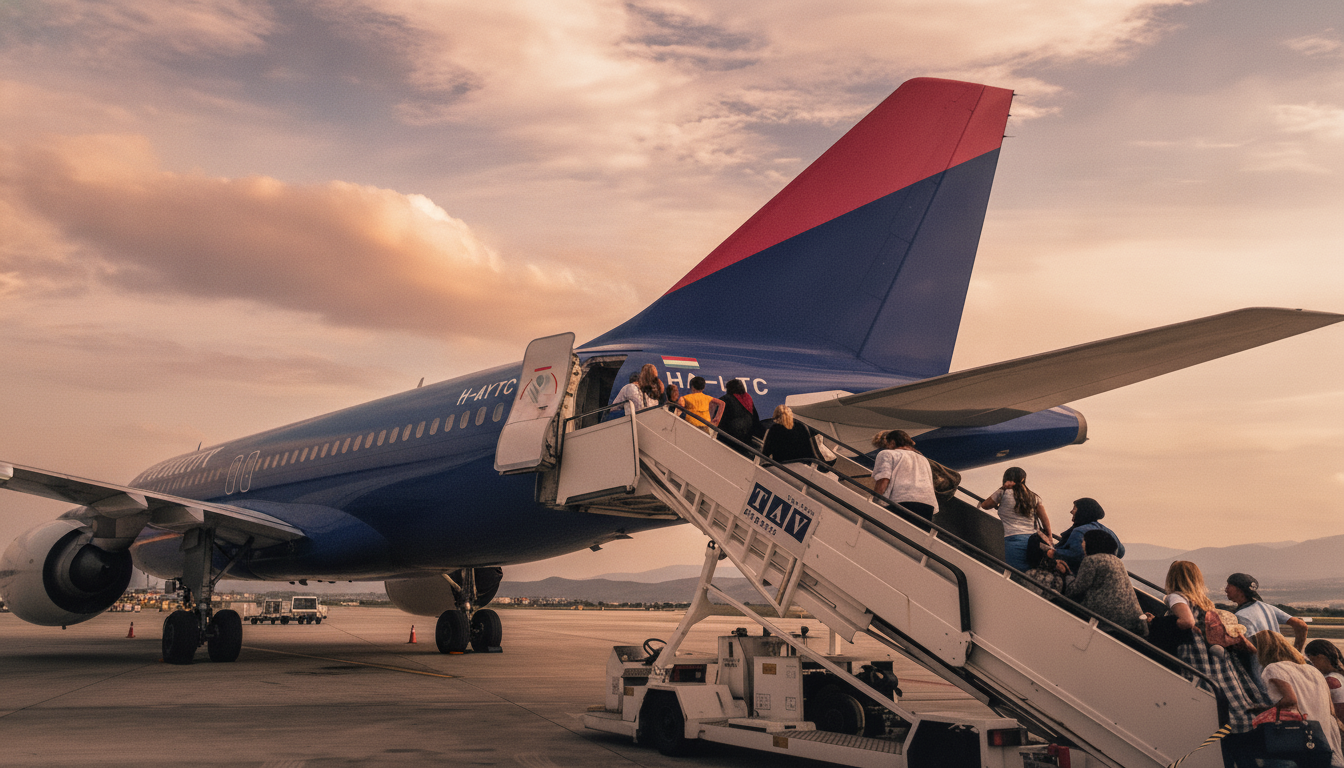
Tighter Boarding Rules from Ryanair and Wizz Air: What Travelers Need to Know
yesterday, 08:30
519