









In four years of war, only two new shelters were built in Kyiv: what is wrong.

In four years of war, only two new shelters were built in Kyiv: what is wrong

According to ТСН: The war in Ukraine has been ongoing for almost four years, and Ukrainians continue to complain about the lack of adequate shelters that can protect them from air attacks and provide comfortable conditions for stay.

This problem becomes even more pressing after combined attacks, such as the shelling on December 27 in Kyiv, when capital residents had to wait out the alert for almost a whole day in their own apartments.

During the shelling, Russian drones and missiles specifically targeted residential buildings. When people are asked, 'Why didn't you go to the shelter?' many reply, 'Where can we go?'

Problems with shelters: lack of logistics and conditions

The distance to the nearest metro station can be 30–40 minutes on foot, which is dangerous, as drones could already be over the city during an attack. Many people are hindered by having sick individuals or pets that cannot be taken with them to a cold shelter or to the metro station.

Some residents of Kyiv use metro stations as shelters, which is currently the best option for safe stay.

'We need to walk 40 minutes to the “Pozniaky” or “Osokorky” stations. But these stations have already become a refuge for people who live nearby, within a 5-minute walking distance. So when we arrive at the station, all available places are already occupied. If the alert lasts all night, then the station is filled with tents, covered with mattresses and pads, and sitting all night on a chair or going to an underground passage in winter is not an option,' says local resident Olga.

Many people do not want to hide during the shelling in semi-basement rooms, as they are cold, lack air, and have no conditions for a long stay.

'It’s better to wait out the alert in our own apartment or in the common corridor. There is no shelter at all near our building. No one has built it in the four years of the war,' say residents of Holosiivskyi district.

Critical state of existing shelters

People note that basements that are considered shelters often do not meet the necessary safety standards. They lack ventilation and emergency exits, and the situation in such facilities is usually unsatisfactory.

'My family and I went down to the parking lot near our building, which is considered a shelter. But there are cars driving through the alert. It’s hard to breathe from the exhaust fumes. There are no places to sit, mobile communication is absent, it’s very cold, especially in winter. So after two visits at the beginning of the war, we stopped going there,' says Oleksandra, a resident of Pozniaky.

On social media, people point out the critical situation and lack of infrastructure:

  • Lack of new shelters: in four years of full-scale war in Kyiv, practically no new, modern shelters have been built.

  • Non-compliance with standards: formal shelters (basements of old buildings and parking lots) often do not meet any safety standards.

  • Funding priorities: people believe that the authorities are directing funds to endless resurfacing of sidewalks and asphalt in the city, while the safety of people (construction or arrangement of shelters) remains a secondary priority.

Expert view: safety and responsibility

Experts believe that during air attacks, people should still use shelters. Being in a basement during an alert is significantly safer than staying at home.

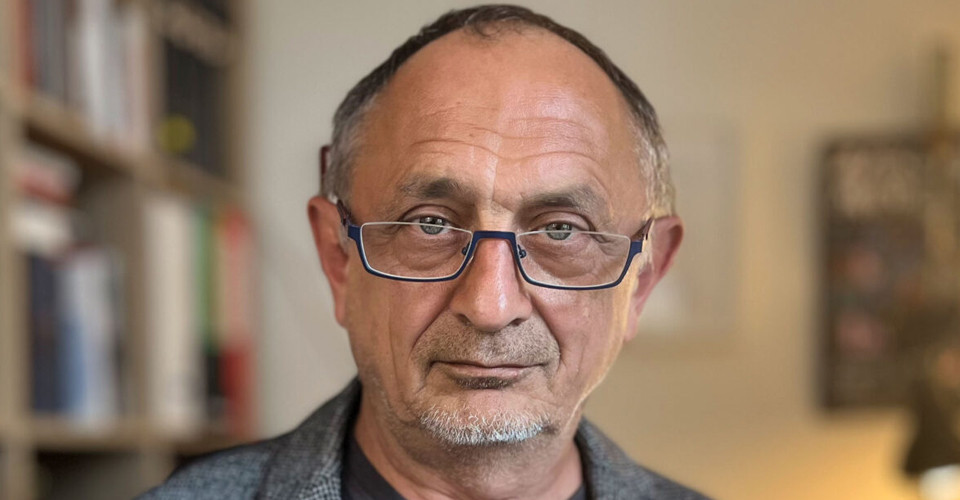
'But they agree that the conditions in these basements are poor,' notes expert Igor Molodan.

He emphasizes that it is better to hide in a room without windows, and it is also important to have several exits. The more reliable the shelter, the fewer risks during the attack.

The specialist also notes that basements and semi-basements are safer than modular shelters, which have not yet appeared in Kyiv.

'Modular shelters are temporary protective structures. They can save people from debris but will not protect against direct hits,' says Molodan.

He stresses that citizens always have a choice, and if they decide to stay at home, their decision should be respected.

Questions of priorities and when it’s not scary to enter

The expert believes that the problem of shelters remains very pressing: there are not enough of them not only in Kyiv but also in other cities of Ukraine.

He believes that building new shelters is an expensive and lengthy process that requires significant funding.

'I live in the Petrivska community of Vyshhorod district, where a new shelter has already been built for the local school. Perhaps this is an example of what a safe place should look like,' the expert notes.

How much does a new anti-radiation shelter cost

Currently, the construction of a new anti-radiation shelter for the lyceum is underway, with funds provided by international partners.

'The cost of building a shelter exceeds 69.5 million hryvnias,' reports the head of the local council.

Shelters in Kyiv: two new bomb shelters built in four years of war

During the full-scale war, only two new shelters were built in the Kyiv regions of Obolon and Darnytsia. All other civil protection facilities remain in the repair phase.

A Kyiv city council member notes that repairing shelters takes less time and effort compared to building new ones.

Who is responsible for shelters: roles of the District Administration and Kyiv City Council

Examining the issue in detail, the deputy explains that district state administrations are responsible for building new and repairing existing shelters, while the Kyiv City Council allocates funds for these purposes.

He adds that work on shelters began to improve after the discovery of corruption issues and inactivity on the part of the District Administration.

Misallocation of funds or inactivity of the District Administration?

Citizens often note that money is spent on less important work, while funds for shelters are not allocated. The deputy notes that the Kyiv City Council has always allocated funding for shelters, and the problem was the inactivity of some District Administrations.

'The Kyiv City Council has allocated and continues to allocate funds for building shelters in full,' emphasizes the deputy.

“First Swallow” and how many shelters are in Kyiv

The Municipal Security Department confirmed that only one new shelter named “First Swallow” has been built in Kyiv.

As of the end of 2025, the number of shelters in Kyiv by districts is:

  1. Darnytsia district — 589 facilities

  2. Dniprovskyi district — 536 facilities

  3. Sviatoshynskyi district — 529 facilities

  4. Solomianskyi district — 493 facilities

  5. Holosiivskyi district — 484 facilities

  6. Obolonskyi district — 445 facilities

  7. Shevchenkivskyi district — 377 facilities

  8. Pecherskyi district — 337 facilities

  9. Darnytsia district — 287 facilities

  10. Podilskyi district — 276 facilities

Are there enough shelters for all Kyiv residents: KMDA data

According to the information provided by the District Administration, the shelter fund in Kyiv can accommodate 2,846,116 people, ensuring places for 97.6% of the capital's population.

Thus, the issue of shelters remains extraordinarily urgent and requires immediate resolution from local governments.


Read also

Advertising