








Advertising


Advertising




New Ukrainian Coin Honors Legendary Hero Kyrylo Kozhumyaka
today, 21:54
93

49 Euros a Month: Netherlands Launches New Rail Pass for Summer Travelers
Netherlands Introduces a Summer Rail Subscription The Netherlands has rolled out a new summer rail pass priced at €49 per month. This ticket offers unlimited travel across the country during off-peak hours and on weekends. Available until June 30, the deal is especially appealing for those planning ...
today, 17:42
318


Horoscope
LIFESTYLE


Tourism



Capricorn Full Moon on June 30: Who Will Feel Its Strongest Effects
today, 20:24
216

Cherry-Filled Yeast Buns: A Simple Recipe from Gospodynka
today, 14:36
351







Showbiz


Neymar Spends €850,000 on a Single Watch: Inside the Lavish Purchase
yesterday, 18:54
489
Sports





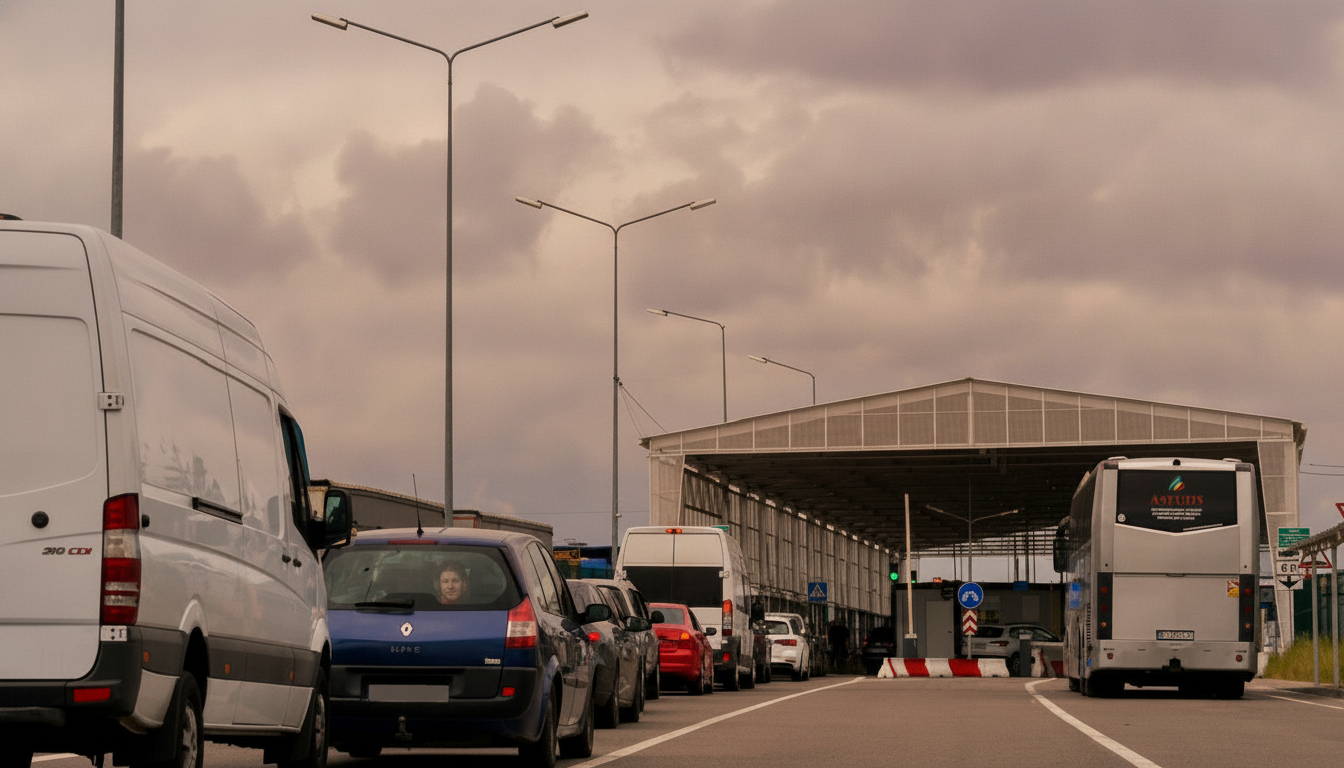
12-Hour Wait Times at the Polish Border: What Travelers Face Entering Ukraine
yesterday, 22:54
419
Top Free Beaches and Kids' Activities for Summer Vacation in Kyiv
yesterday, 17:54
417