Protein Powders with Lead: Are They Really Dangerous to Health?.

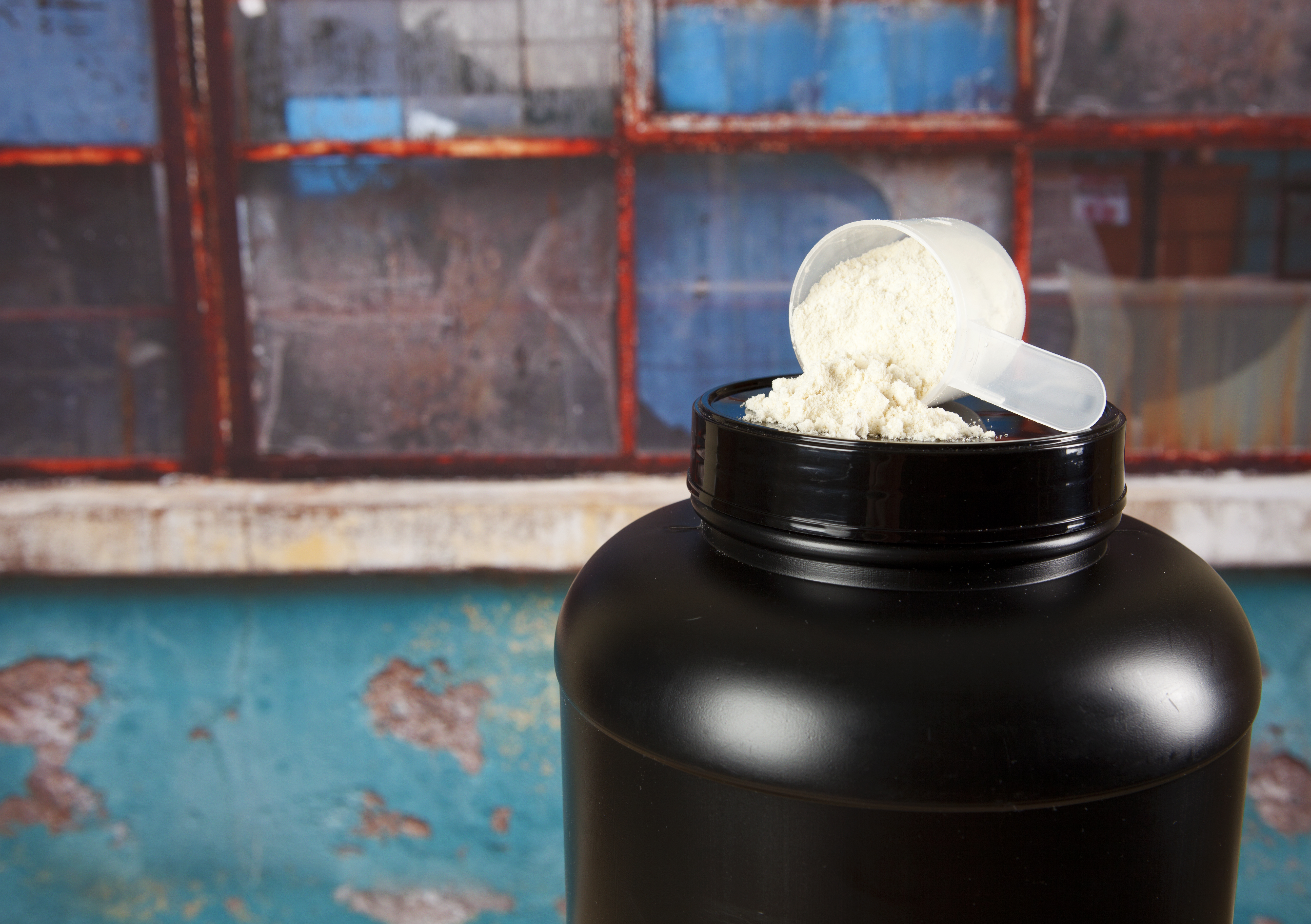
According to Vox: Americans who are into protein powders may be slowly poisoning themselves with lead, a known neurotoxin.
This conclusion comes from a study that went viral last week after it was published in Consumer Reports. The article discusses the lead and other heavy metals found in popular protein supplements. It notes that many brands 'have high levels of toxic heavy metals,' including lead: 'In more than two-thirds of the products we analyzed, one serving contained more lead than what is recommended for safe daily consumption, according to food safety experts at CR — some even up to 10 times more.'
These results, in a country gripped by 'protein fever,' spread like wildfire across traditional and social media. The issue is that it sounds alarming, but appears less substantiated — not because lead is not detected in these powders, but because Consumer Reports uses an exceedingly low level of lead exposure as its baseline, making the conclusions significantly scarier than they actually are.
Research in Consumer Reports
For its research, Consumer Reports, which always conducts independent checks of lead levels in various food products, analyzed 23 protein powders and ready-to-drink protein shakes for heavy metals, and then compared the results with the levels of lead that 'CR food safety experts consider safe for consumption.' This level, the maximum allowable daily limit (MADL), is set at 0.5 micrograms per day, established by California's Prop 65, enacted in 1986 to inform consumers of the effects of harmful chemicals in everyday products.
The results were shocking for many products. Sixteen of them contained dangerous levels of lead, particularly in plant-based supplements — for example, the Huel Black Edition protein powder exceeded safe levels by an impressive 1,288 percent, and the publication deemed it unsafe for consumption.
It should be noted that lead exposure is a serious health threat. It can delay brain development in children, leading to long-term disabilities. Lead can also damage the nervous system and kidneys, raising the risk of heart disease and strokes in adults. Given this, experts believe there is no absolutely safe level of exposure.
Comparing Standards
Although the numbers from Consumer Reports sound scary — 1,288 percent! — the crux lies in the details, particularly in the selection of Prop 65 levels as the baseline.
To understand why, one should look at the science behind lead safety thresholds. The Food and Drug Administration (FDA) has initiated a plan to reduce levels of lead 'closer to zero' to diminish exposure in children. However, achieving zero can be challenging. Lead is naturally present in many foods, especially plants that absorb lead from contaminated soil, air, and water.
FDA studies have shown that the average American adult consumes between 1.7 to 5.3 micrograms of lead daily through their regular diet. Some level of lead exposure is inevitable, so regulatory agencies typically use relatively safe estimations of exposure, referred to as 'reference levels,' to guide policy. These estimates determine the smallest amount of lead considered harmful and divide it by a safety factor.
In the context of the 'Closer to Zero' campaign, the FDA has set its reference levels at 2.2 micrograms per day for children and 8.8 for women of childbearing age (to protect against accidental exposure to fetuses). This means that sustained exceedance of these levels could pose a health threat.
Felicia Wu, a professor of food safety, toxicology, and risk assessment at Michigan State University, noted that the reference levels for lead 'represent an acceptable level in food or water, based on a mix of decreasing the risk to the population while ensuring economic feasibility for water utilities and food companies.'
At the same time, California's Prop 65 employs a much higher 1,000-fold safety factor (1,000 times lower than the minimally known hazardous levels) to reach a reference level of 0.5 micrograms of lead per day.
Regulatory Concerns
The fundamental issue is that the fright caused by lead in protein powders may only be a delay tactic. But questions remain: Are protein supplements completely safe? And should we consume them? The answers are not straightforward.
While Consumer Reports may be exaggerating the threat posed by lead powders, their report raises an important theme regarding all supplements: they are significantly under-regulated in the United States.
The FDA is responsible for the safety of dietary supplements just as it is for food safety. However, these areas operate under different regulatory regimes.
While there is an entire health and fitness industry convincing people of the need for more protein, most Americans are already getting enough protein through their regular diet.
Food products are regulated under the Federal Food, Drug, and Cosmetic Act, which mandates that all of them must pass safety testing before hitting the market. However, supplements fall under the Dietary Supplement Health and Education Act (DSHEA) of 1994, which states that supplements, such as protein powders, do not require prior approval. Hence, the responsibility lies with the government to check complaints and remove dangerous products.
This means that while supplements may be legally regulated, most of them are, in fact, uncontrolled. It’s no surprise that the supplement market is booming due to the DSHEA, which is deemed a result of industry lobbying. This puts consumers at risk, forcing them to absorb products they believe are healthy while their benefits (and risks) often remain unverified.
William Masters, a food economist at Friedman University, remarked that calling supplement companies 'snake oil' vendors might be too mild of a descriptor.
However, all experts I spoke with insist that there is a need for stronger regulation of supplements. Rob Shufoel, an emeritus professor of food science and technology at the University of Georgia, emphasized the importance of recognizing that the issue with supplements is not in their processing, but in the fact that they are not regulated with the same strictness as other food products — including processed foods.
Yet a key question arises: Do we even need to consume protein supplements at all? Given that there is an entire health and fitness industry pushing the idea that we need more protein, most Americans are already getting enough complete protein through their regular diet. Supplements, by their name, are meant to fill in dietary gaps, but the average person, including the average athlete, can achieve their protein consumption goals without supplements, including through a plant-based diet.
Therefore, your protein shakes are likely not poisoning you with lead. And if you want to consume them, that’s probably fine. However, whether you actually need them is another story.
Read also
- Three Ukrainians Without Documents Rescued from Occupied Territories Under Bring Kids Back UA Initiative
- Ukraine’s first underground kindergarten opens in Kharkiv, accommodating 260 children
- Ukraine's ports crippled by Russian strikes: 28 vessels hit, 21 killed
- 24 Children Rescued from Occupied Territories by Save Ukraine, Including Injured 13-Year-Old Anhelina
- Woman Faces Up to 7.5 Years in Prison After Attacking Children for Speaking Ukrainian in Poland
- One of the Most Recognizable Voices on Ukrainian Radio, Journalist Oleksandr, Has Passed Away