Shelling Shatters the Psyche: How Extreme Stress Rewires Human Reactions.


Extreme Stress Under Fire: What Happens to People During Bombardments
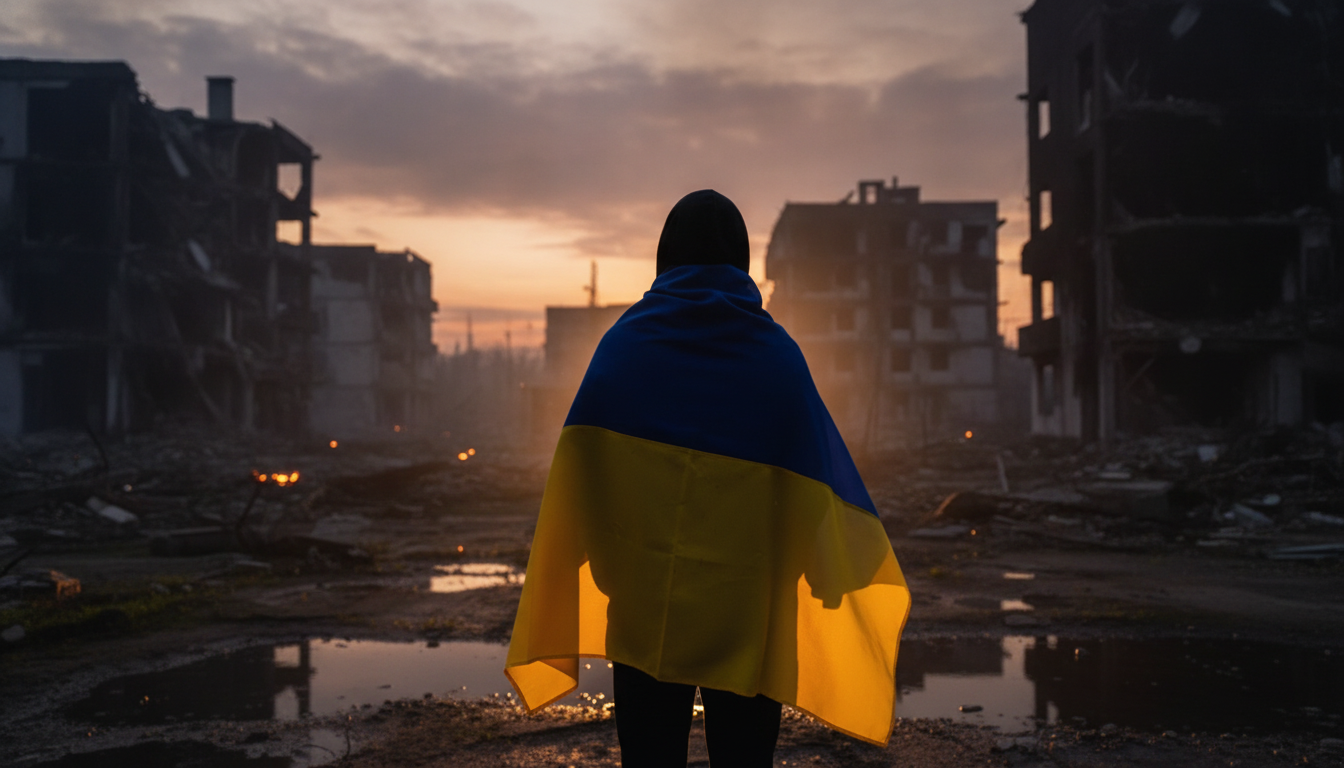
According to Novyny.live: On June 13, Russian forces launched a massive attack on the Dnipropetrovsk region, leaving nine people injured. This incident once again highlights how shelling affects the psychological state of the population, triggering a wide range of stress responses. During such events, individuals may exhibit different emotional reactions, including fear, aggression, or an urge to hide.
Research shows that people respond to danger in varied ways during shelling. Psychologist Olena Bortnikova explains,
“We may freeze and become unable to move, rush to a shelter or toward a child, or react with anger. All of these are normal responses to danger.”These emotional reactions are part of the body’s natural adaptation to stressful situations, though they can have serious implications for mental health.
The Mental Health Toll of Shelling
The bombardment, which involved over 20 strikes by drones and aerial bombs, causes not only physical injuries but also deep psychological trauma. Mental health experts stress the importance of recovery after such incidents, which requires various methods of psychological support. In areas where the population endures constant stress, ensuring access to mental health care and assistance is essential.
Additionally, on June 13, President Volodymyr Zelensky confirmed that Ukraine struck a strategically important plant in Cheboksary, and an attack was also carried out on an oil refinery in Russia’s Samara region using FP-5 Flamingo drones. These events underscore the ongoing military operations and their impact on civilian life.
The situation in regions subjected to shelling demands not only swift action from state institutions but also support for the psychological well-being of those who have suffered trauma. It is crucial to address both the physical and psychological consequences of warfare to provide adequate aid and recovery for victims. Psychological support is critically important, as prolonged exposure to stress can lead to serious mental disorders that require professional intervention.
Read also
- Peace Appeal From Kazakh Leader During Putin Meeting
- Over 1,000 Drone Strikes Carried Out as Zelenskyy Announces Completion of Long-Range Strike Plan
- Zelensky and Top Military Command Outline Response Plan to Russian Strikes
- EU Adopts 21st Sanctions Package Against Russia: What the New Restrictions Target
- Deadly Strikes Hit Kyiv Region and Sloviansk: 11 Killed, Dozens Wounded
- Ukrainian Forces Strike Kirov’s Avitek Plant: Key Military Components Under Sanctions