









The fake about a child without a gift from St. Nicholas in Lviv was debunked due to language.

The fake about a child without a gift from St. Nicholas in Lviv was debunked due to language

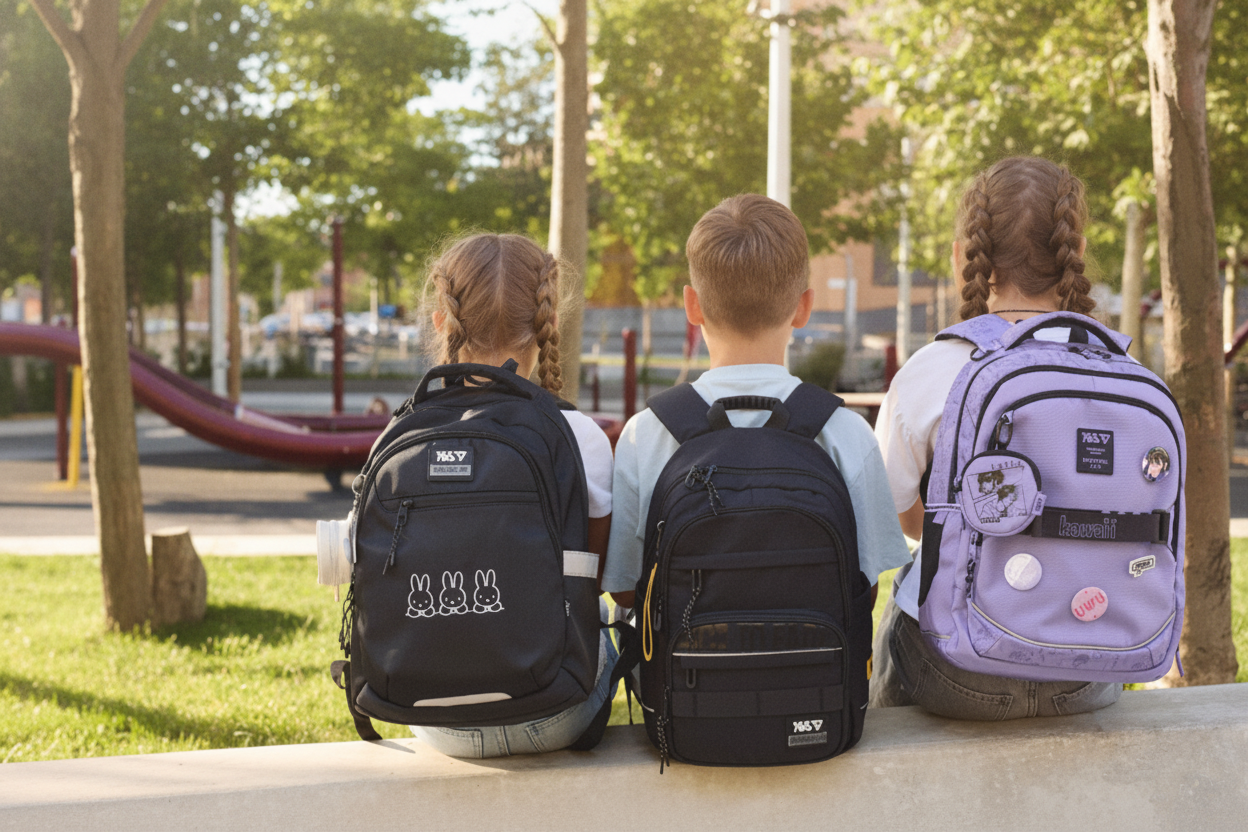
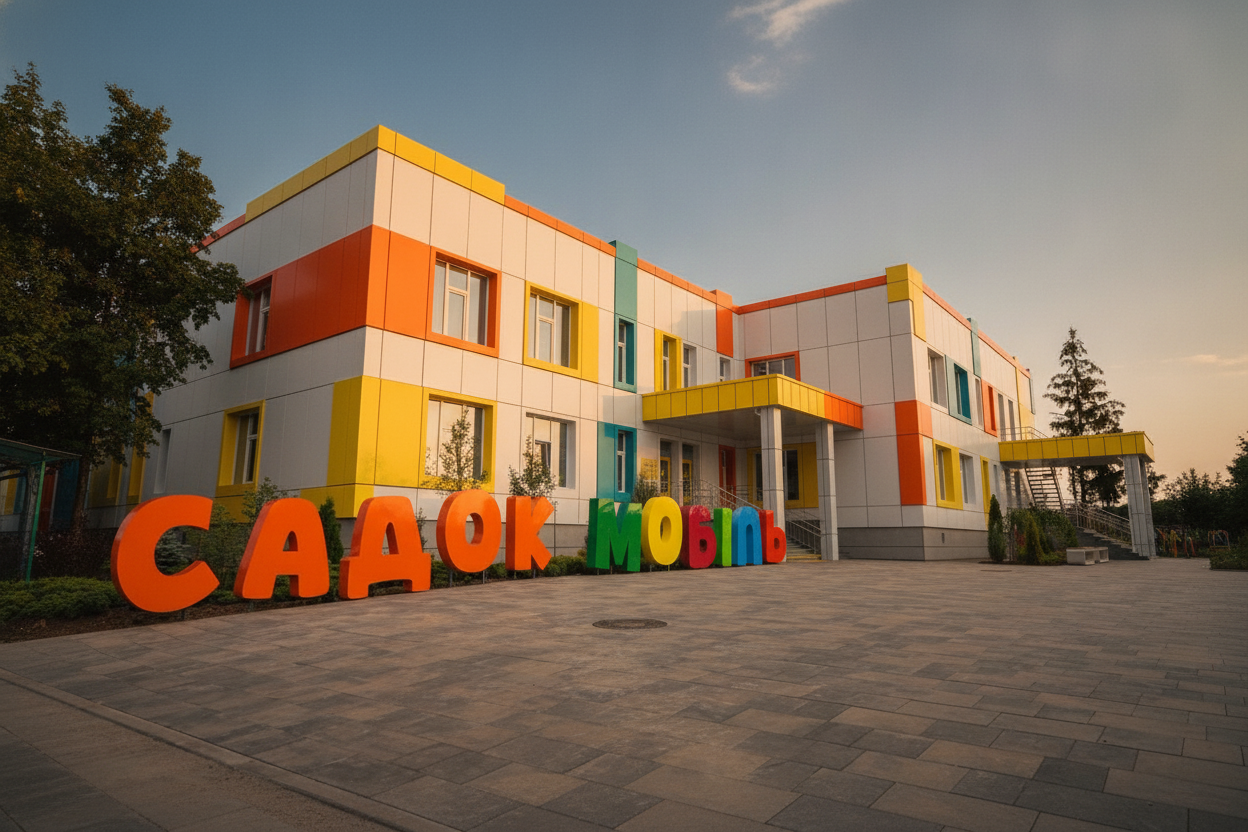
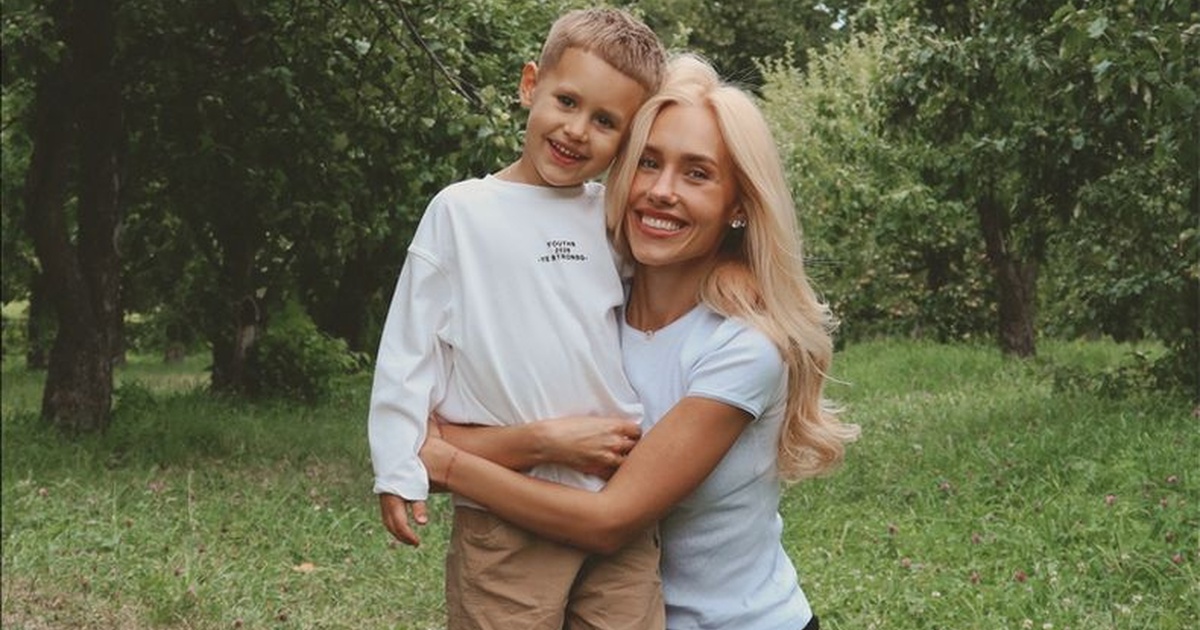
According to ТСН: A new scandal has emerged in Ukraine related to the use of the Russian language. This time, information appeared on social media claiming that in one of the kindergartens in Lviv, a child who speaks Russian allegedly did not receive a gift for St. Nicholas.

TSN.ua conducted an investigation to clarify the details of this incident.

St. Nicholas will not greet those who speak 'Moscow language'

Screenshots purportedly confirming this information circulated on social media. The child's mother, speaking in Russian, claimed that the gift was not given due to her language affiliation. In response, she was told that everyone in Lviv should communicate in Ukrainian and that 'St. Nicholas decided not to give gifts to those who speak “Moscow language”.'

Subsequently, the author of the complaint deleted her post and account, raising suspicions that the situation could have been a fake promoted by Russian sources.

During the fact-checking process, it was not possible to find the relevant post on social media or the author of the message. Moreover, this information was only disseminated by one Russian media outlet, further casting doubt on its credibility.

What the authorities say

The head of the Department of Education and Culture of the Lviv City Council, Andriy Zakalyuk, commented on the incident, calling it a fake aimed at sowing discord and distrust among people.

'A screenshot is circulating showing an alleged Lviv kindergarten where a child did not receive a gift from St. Nicholas because she speaks Russian. This is not true. We have thoroughly checked everything and assure you that such a situation did not occur in the municipal kindergartens of Lviv,' the official stated.

He emphasized that all children in Lviv kindergartens are equal: 'Our educational institutions are a space of safety and support. A child cannot and should not be held responsible for the views and actions of their adults.'

Buzz on the Internet

This 'news' was actively spread by Russian propaganda media, which accused Ukraine of discriminating against Russian speakers. Propagandist Yulia Vityazyeva threatened Ukrainians with 'sitting without light until spring.'

Blogger and volunteer Serhiy Sternenko noted that the well-known Telegram channel 'Trukha' also published this information. Although the post was later deleted, the issue of information hygiene in Ukrainian social networks remains relevant.

Why Ukrainians quickly 'fell for' the fake

One of the reasons why Ukrainians may have believed in this fake could be a recent incident involving a Russian-speaking child in Kyiv region, where a preschool teacher corrected a child after a remark from other parents. The issue of language policy in educational institutions has sparked widespread discussions in society.

User opinions divided: some support the language activist, while others consider it bullying of the child. The ombudswoman for the protection of the state language, Olena Ivanovska, defended the activist, emphasizing that 'protecting a child's right to receive education in the state language is a legitimate requirement.'

She also condemned the bullying of the activist on social networks for her stance on the Ukrainian language in preschool institutions.

It should be noted that blogger Olena Mandziuk got into a scandal, claiming that her children might 'beat up' a child who speaks the 'language of terrorists.'

Thus, this incident brought to light existing issues with language policy in Ukraine, provoking a resonance within society. Against the backdrop of a rich discussion about the rights of Russian speakers, such cases only deepen the divisions in opinions and discussions surrounding the language issue. This again underscores the importance of open dialogue and mutual understanding in society to avoid misunderstandings and provocations in the future.


Read also

Advertising