









Advertising






Russia’s Oil Exports Hit Record Highs, but Revenues Shrink as Urals Prices Plummet
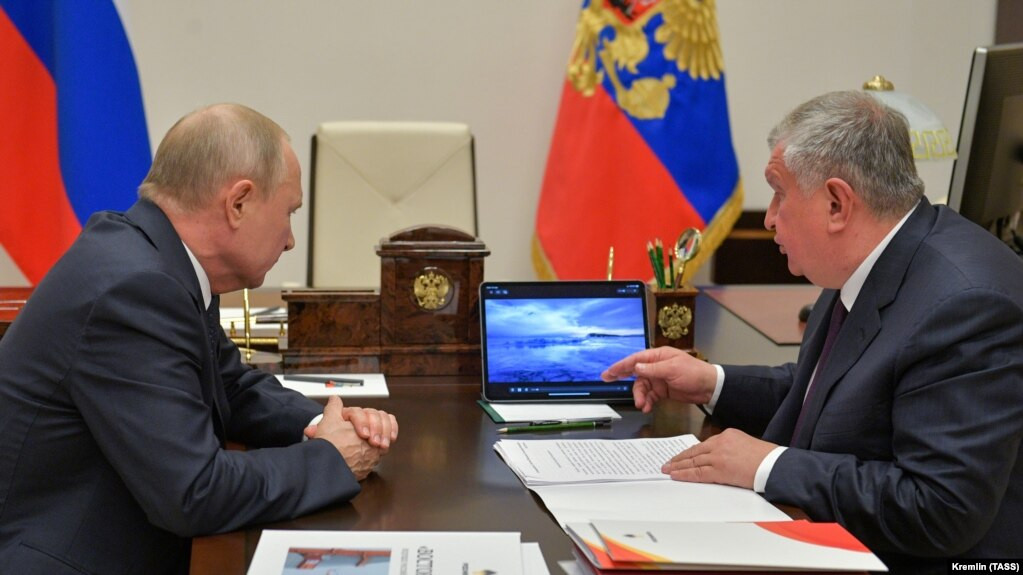
Oil Exports and Financial Struggles Russia is shipping more crude oil than ever before, yet earnings from these sales are declining due to a sharp drop in the price of its flagship Urals grade. In early July, Urals crude was trading at $40–$41.5 per barrel—well below the $59 per barrel benchmark tha...
yesterday, 23:42
434


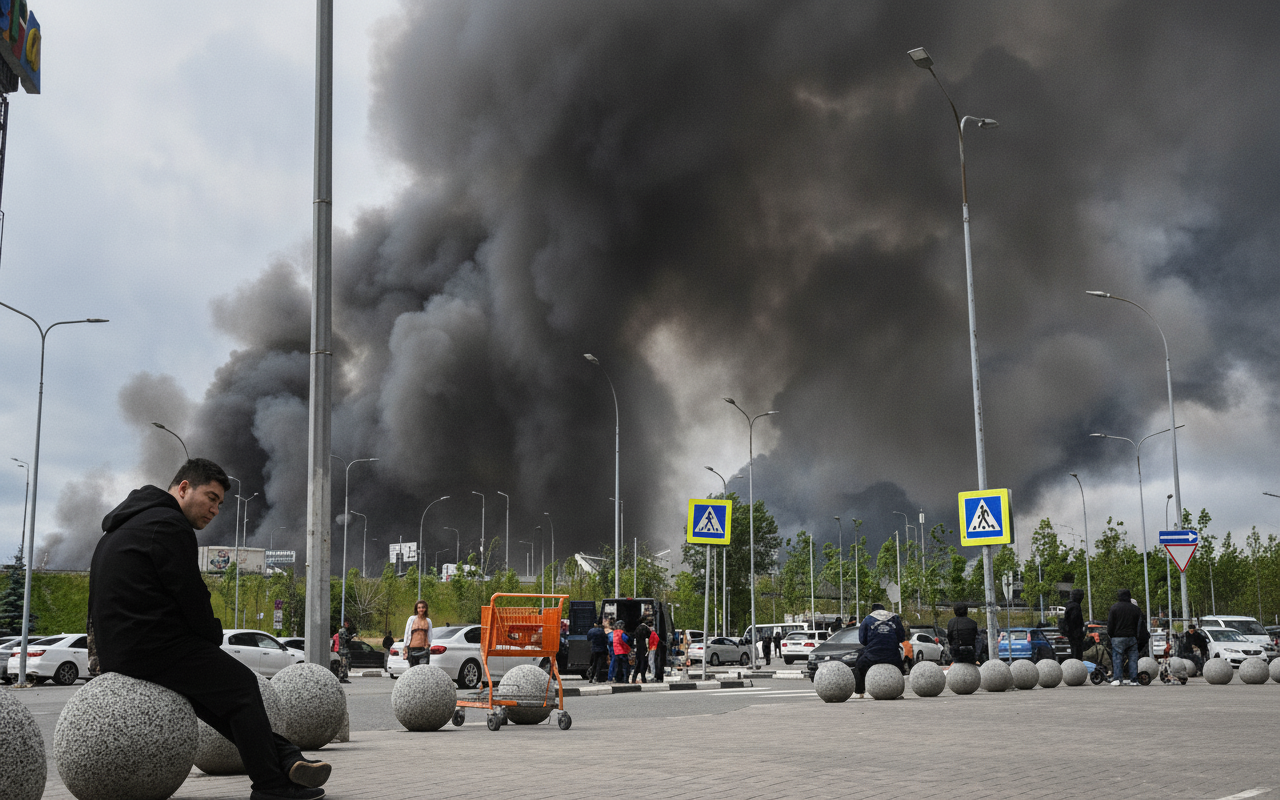
Strike on Russia’s Largest Oil Refinery Raises Fears of Fuel Shortages
yesterday, 20:54
599
Horoscope
LIFESTYLE

Tourism


A Simple Recipe for Tomato Fertilizer Made from Yeast and Banana Peels
yesterday, 07:18
462



Tech




Society




Gallery Vandalized in Warsaw After Employee Protests Anti-Ukrainian Slogans
yesterday, 18:36
454
Ukrainians File Over 1,300 Language Complaints in Six Months
yesterday, 14:18
426
Veterans Offered Salaries as Low as 10–12 Thousand: Alarm Bells Ringing in Lviv
yesterday, 09:36
485
Showbiz

Yana Glushchenko Turns 40: Over Two Decades in the Spotlight
today, 11:42
194



Sports



2026 World Cup Round of 16: Argentina vs. Egypt – Match Preview and Viewing Guide
yesterday, 22:01
468



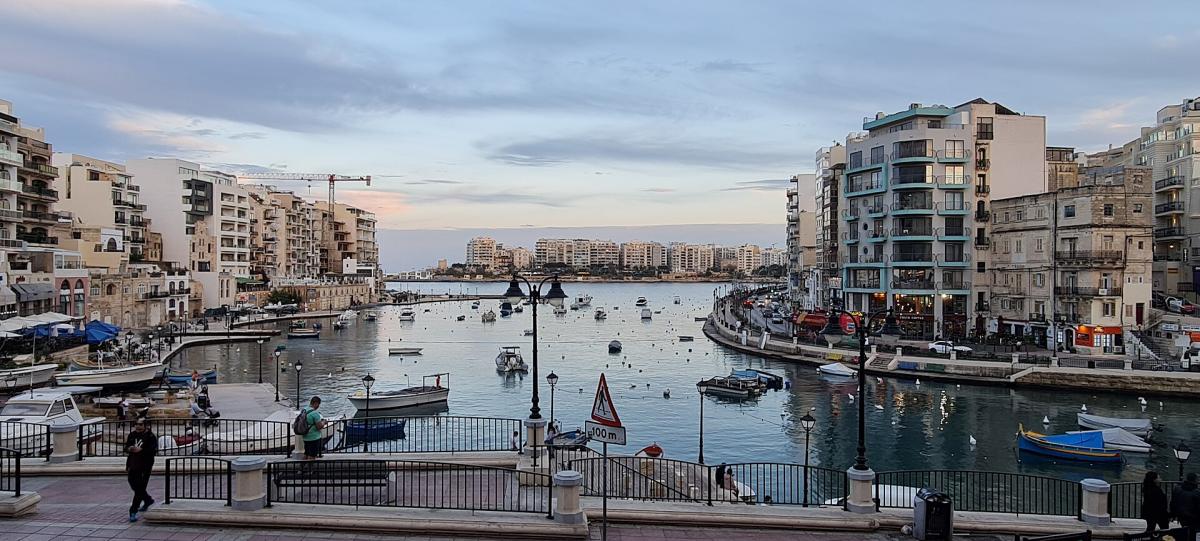
Malta Sets Record for Tourist Overload: Seven Visitors for Every Local Resident
yesterday, 19:36
443