








Russia's Use of Anti-Aircraft Missiles for Ground Strikes: A Sign of Strategic Strain.
Anti-Aircraft Missiles in the Ukraine War
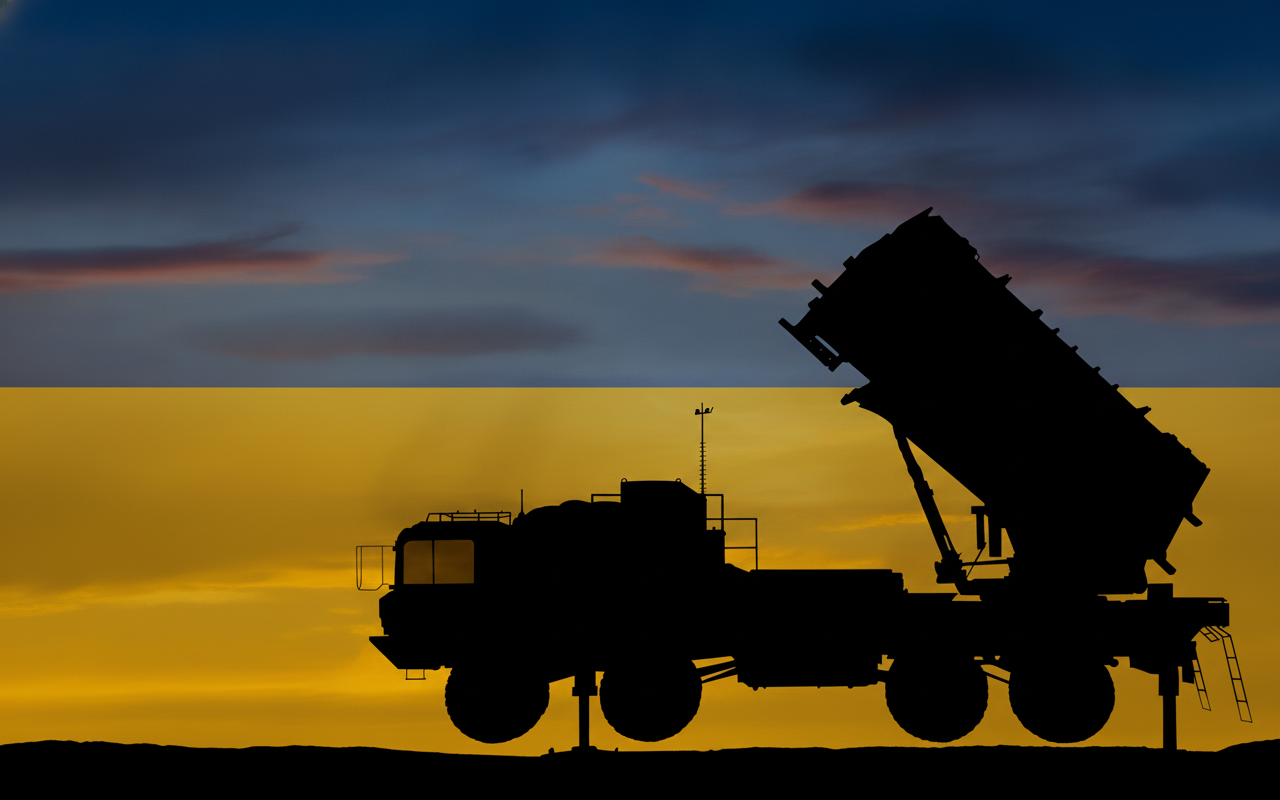
According to TSN.ua: Russian forces are now deploying surface-to-air missiles from their S-300 and S-400 defense systems to strike ground targets in Ukraine. Military expert Igor Romanenko notes these launches are being conducted in a 'surface-to-surface' mode, a tactic that strongly suggests a shortage of other, more suitable missile types. This unconventional use of air defense weaponry highlights the intense resource pressures of the prolonged conflict.
One such missile is the 'Izdeliye-30', developed by the 'Zvezda' design bureau, part of the 'Tactical Missiles Corporation'. The 'Izdeliye-30' has a wingspan of approximately 3 meters and carries an 800 kg warhead, with a reported operational range of at least 1,500 km. Its first confirmed use in this role was recorded late last year.
Potential Shortages of Precision Munitions
This repurposing of air-defense missiles may point to deeper issues within Russia's stockpiles of precision-guided weapons, as analyst Igor Romanenko has indicated. Military observers note that such actions could signal both a shift in combat tactics and potential logistical difficulties in supplying conventional missile systems for ground attacks.
Amid ongoing heavy fighting, Ukrainian forces continue to monitor these adaptations in Russian armament, as they can directly impact defensive and counter-offensive strategy. The use of anti-aircraft missiles against land targets demonstrates the Russian military's adaptation to the war's demands, while underscoring the critical need for vigilant analysis of enemy capabilities.
Employing anti-aircraft missiles for ground strikes may indicate Russia is altering its warfighting approach, specifically attempting to offset shortages in other weapon types. This also suggests an evolution in military tactics under conditions where traditional resources are becoming constrained. Monitoring such changes is crucial for Ukrainian military planners, as it can help formulate effective response strategies.
In the context of a protracted war, the ability to adapt to new realities remains critically important for both sides.
Read also
- Global Nuclear Stockpiles on the Rise: SIPRI Reveals Warhead Count
- Strike on Russia’s Baltic Fleet in Kronstadt: Expert Calls It an Unprecedented Moment in the War
- Over 600 Square Kilometers Retaken by Ukrainian Forces Since January: Where Fighting Is Most Intense
- Why the Kharkiv-Sumy Highway Near Bohodukhiv Is Under Threat: Russia’s Latest Attacks
- French Fighter Jets Down Drone Over Latvia: Debris Located Near Key Towns
- Ukraine Strikes Fuel Depots in Crimea and FSB Command Post: Attack Details Revealed