






Olivier Under Attack: Why the Salad Became a Symbol of Cultural War in Ukraine.
According to ТСН: On the eve of the winter holidays, Ukrainian social networks become a place for active discussions. This year's debates revolve not only around Soviet characters like Father Frost but also around the ordinary salad. The current situation on TikTok and Instagram leads skeptics to call Olivier "a Soviet relic," "a symbol of scarcity," and "a monument to the USSR on your plate." While some seek new recipes, others defend this dish as part of their childhood. But where did Olivier come from and why has the argument over it turned out to be more complicated than the dismantling of Lenin statues?
The French Myth and Moscow Reality
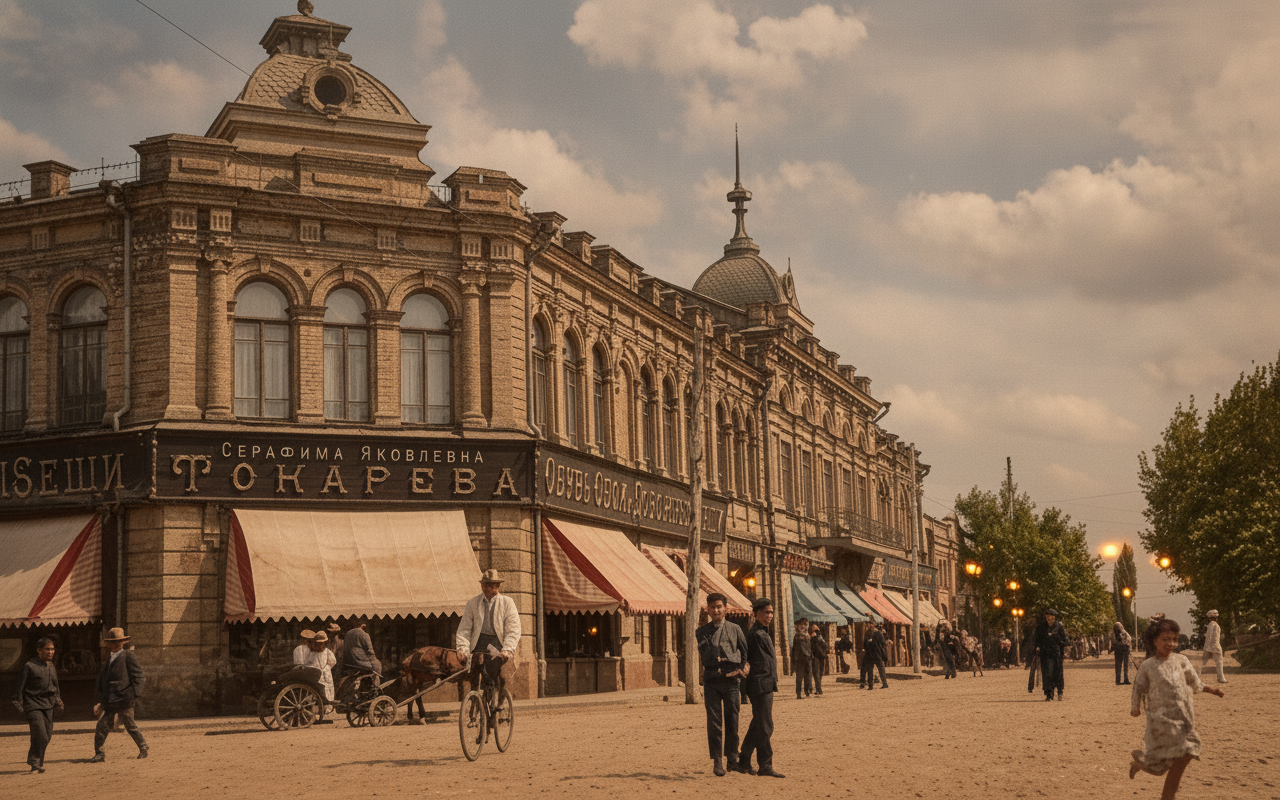
Olivier's supporters often emphasize its "noble" origin: the dish was created by Frenchman Lucien Olivier, so it has nothing to do with the Soviet era. However, culinary historians remind us that Lucien, whose real name was Nikolai, was a descendant of Frenchmen living in Tsarist Moscow.
The original recipe from the 1860s, served at the "Hermitage" restaurant, was indeed elite: meat of partridges, beef tongue, caviar, crayfish necks, capers, and Provençal sauce on quality olive oil. However, after the 1917 revolution, one could pay with their life for such a dish — partridges began to be associated with the "enemy class."
How Olivier Became a 'Soviet Relic'
The rehabilitation of the salad occurred in 1939, but the real transformation took place in the 1960s. To make the dish accessible to the "ordinary Soviet people," expensive ingredients were replaced with those that could be found in stores. Partridges were turned into sausage, capers into pickles, and the exquisite sauce into mayonnaise.
Due to constant shortages, even these simple products had to be gathered for months, which is why Olivier became a symbol of festive dishes. Professor Olena Styazhkina aptly refers to this salad as a "Soviet relic" — a sign of a calmer and more fulfilling life celebrated only once a year.
Klopotenko Against 'Prison Food'
One of the first to declare war on Olivier was chef Yevhen Klopotenko. In 2018, he compared the consumption of Soviet dishes to the life of a former prisoner who, after being released, continues to eat from a prison menu. His position is simple: by choosing Olivier, we remain in the cultural orbit of Russia.
Today, this initiative has been picked up by bloggers. For example, Anton Nazarenko from Zaporizhia in his videos associates Olivier on the table with the statue of Lenin. He believes that many arguments in favor of Olivier, such as "food beyond politics," resemble the arguments of defenders of the Russian language or music.
"It's easy to give up Russian opera, which you've never seen, but to give up something as dear as Olivier — that's a much bigger emotional challenge," says the blogger.
What Can Replace Olivier
For many Ukrainians, "saying goodbye" to Olivier is not just about finding new recipes but also an attempt to change the very culture of celebration. Experts in gastronomy and cultural studies suggest not only to "cross out" the dish but also to imbue the holiday with new meanings:
Change the Recipe. Experts note that Soviet Olivier was harmful not only ideologically but also culinarily — due to an excess of mayonnaise and cheap sausage. Instead, it is recommended to use roasted turkey, chicken fillet, or beef tongue. Canned pickles are better replaced with fresh ones or homemade pickles, and heavy mayonnaise — with a light sauce based on Greek yogurt or homemade aioli. Thus, the salad transforms from a symbol of scarcity into a modern meat dish.
Update Your Holiday Calendar. Experts suggest focusing not on the traditional Soviet "New Year" but on Christmas or St. Nicholas Day. This changes the menu, because the main event becomes Christmas dinner, where authentic Ukrainian dishes — kutia, baked fish, mushroom soup, and dumplings — are present, among which Olivier looks completely out of place.
Renew Your Consumption Culture. Psychologists and nutritionists urge abandoning the habit of "cooking in bulk" and spending hours in front of the TV. The modern approach involves a light dinner with exquisite snacks or seafood. The main advice from experts: focus more on communication and emotions rather than on attempts to "finish all the prepared food" over the next three days.
Is It Worth Arguing at the Table?
Researcher in gastronomic culture Olena Braichenko believes that excessive attention to Olivier can even be harmful. While we debate the past, we forget to offer something modern. The younger generation already has a cool attitude towards Olivier — for them, it's just one of the options in the culinary department, not a "sacred dish."
Ultimately, the fight against Olivier is not about banning peas but about breaking the emotional connection with the Soviet era. As the "salad fighters" themselves say, the main thing is not to convince everyone to urgently throw away their bowl of food, but to make them think: do we want to carry this legacy into the future?
As a reminder, if you are looking for an interesting new recipe for New Year’s holidays, try the "Gloria" salad. It is much tastier than Olivier.
When Olivier traditionally dominates holiday tables, choose a recipe that guarantees more admiring glances and sincere compliments — the 'Corporate' salad.
Read also
- Heating Bills for January to Be Revised in Kyiv: Over 720 Million UAH in Compensation Announced
- U.S. Reverses Mining Ban Near Boundary Waters Wilderness, Raising Ecological Alarm
- Starting September 2026, Ukrainian Teachers Get a Raise: A 20% Bonus for Those Working with Special Needs Students
- Ukraine’s Contract 18-24: How Young Volunteers Are Joining the Armed Forces
- Stricter E-Scooter Regulations Take Effect in Lviv Starting July 1
- Lawful Job and Salary Changes Are Not Workplace Harassment, Ukraine’s Supreme Court Rules