







Serbian and Russian Intelligence Tested Acoustic Weapons on Dogs Following Belgrade Protests.

Serbian and Russian Intelligence Tested Acoustic Weapons on Dogs Following Belgrade Protests

Acoustic Weapon Tests Conducted in Serbia

According to TSN.ua: Following protests in Belgrade, Serbian intelligence services, in collaboration with Russia's FSB, secretly tested acoustic weapons on dogs. This has raised serious concerns that such sonic devices could be deployed against civilian demonstrators. The administration of President Aleksandar Vučić attempted to conceal these activities, sparking outrage among human rights groups and the public. The use of non-lethal acoustic weapons by security forces is a growing international concern due to their potential for causing severe harm.

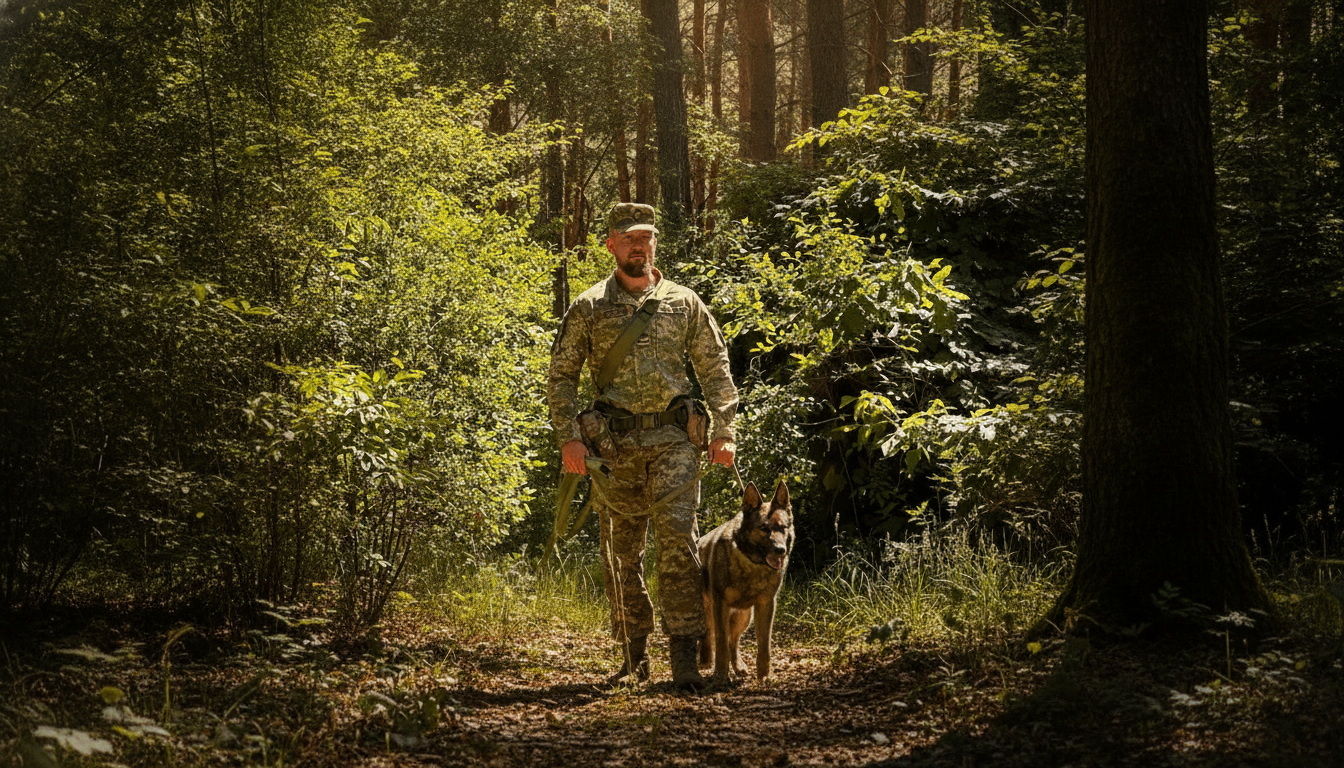
The protests in Belgrade on March 15, 2025, prompted the research, which involved specialists from both Serbian and Russian intelligence. Dogs were selected for the tests due to their high sensitivity to acoustic effects. The acoustic devices used in the experiments are capable of generating sound at levels up to 150 decibels. Testing was conducted at varying distances: 200, 150, 100, 50, and 25 meters.

According to official documents, Serbia's Ministry of Agriculture has no record of these tests, a fact which appears to violate the country's Animal Welfare Act. This has caused significant public and activist alarm. Commenting on the situation, Danilo Ćurčić stated:

“The dogs were either subjected to experiments or to cruel treatment.” – Danilo Ćurčić

In response to these revelations, Serbian President Aleksandar Vučić announced an investigation, declaring: “A full investigation will be conducted within 48 hours.”

Ethical and Legal Challenges

The testing of acoustic weapons on animals, coupled with the potential use of this technology against protesters, poses a direct threat to both animal welfare ethics and the human right to peaceful assembly. This situation raises profound questions about legal and ethical compliance within state institutions and underscores the need for oversight by international bodies. Such incidents highlight the complex challenges Serbia faces regarding protest management and civil rights protections.

These events underscore serious ethical and legal problems within the context of Serbian protests and civil rights control. The potential deployment of acoustic weapons against demonstrators, alongside the animal testing, has provoked widespread condemnation and could have significant repercussions for the country's international reputation. It is imperative that international organizations scrutinize these incidents to ensure the upholding of human rights and ethical standards in security research and operations.


Read also

Advertising