











Sergeant Kazarin on AWOL: Why Exhausted Veterans and Raw Recruits Should Not Be Treated the Same.
Stricter Penalties for Desertion and Draft Evasion Under Debate
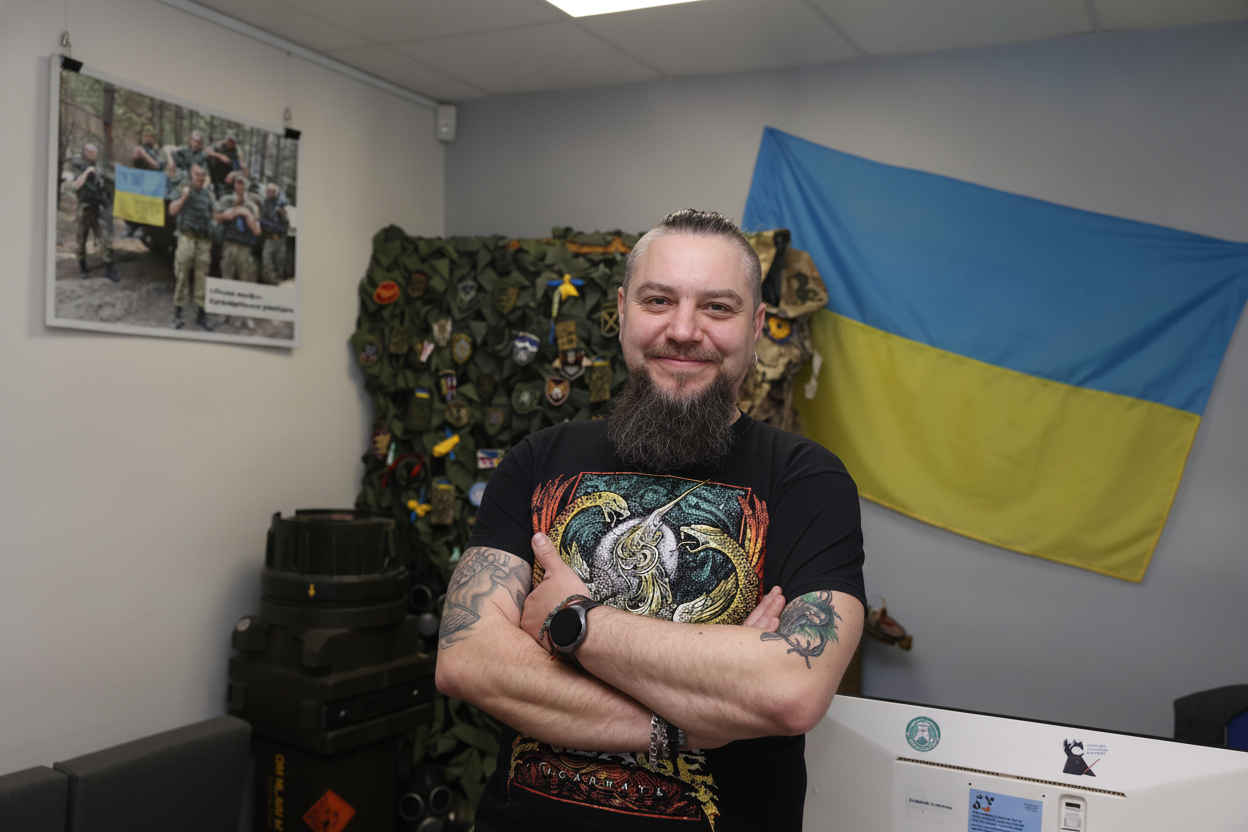
According to TSN.ua: A senior sergeant in Ukraine’s Territorial Defense Forces is pushing back against broad generalizations about soldiers who go absent without leave. Pavlo Kazarin, the top sergeant of the 2nd Unmanned Systems Battalion, 104th Brigade, argues that there is a fundamental difference between battle-hardened troops suffering from burnout after prolonged deployment and individuals who abandoned service during basic training. He stresses that not all service members who leave their units do so for the same reasons.
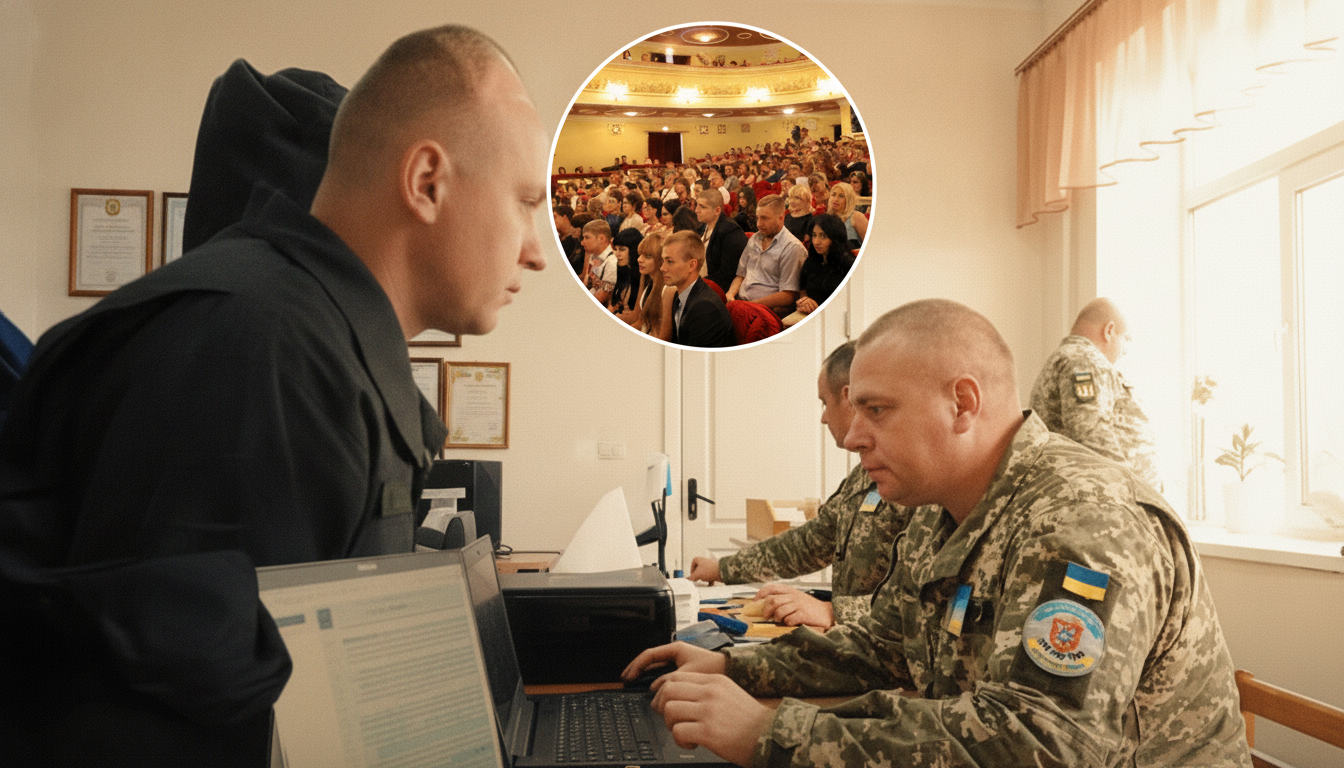
Ukraine is currently weighing tougher restrictions for military personnel who commit desertion (AWOL) as well as for civilians evading conscription. Lawmakers have proposed classifying draft evaders in the same category as alimony debtors, a move that could carry severe consequences. Kazarin warns that lumping these two groups together in public discourse blurs critical distinctions and risks leading to misguided policy decisions.
'There are those unlucky with their commanders. Those denied transfers. Those worn down by years of war. Those who needed to save their families. These people had already fought and served—and at some point, the accumulated wear and tear made them feel they had paid their debt to the country.' — Pavlo Kazarin
This highlights that behind every case of going AWOL lies a unique story and set of motivations.
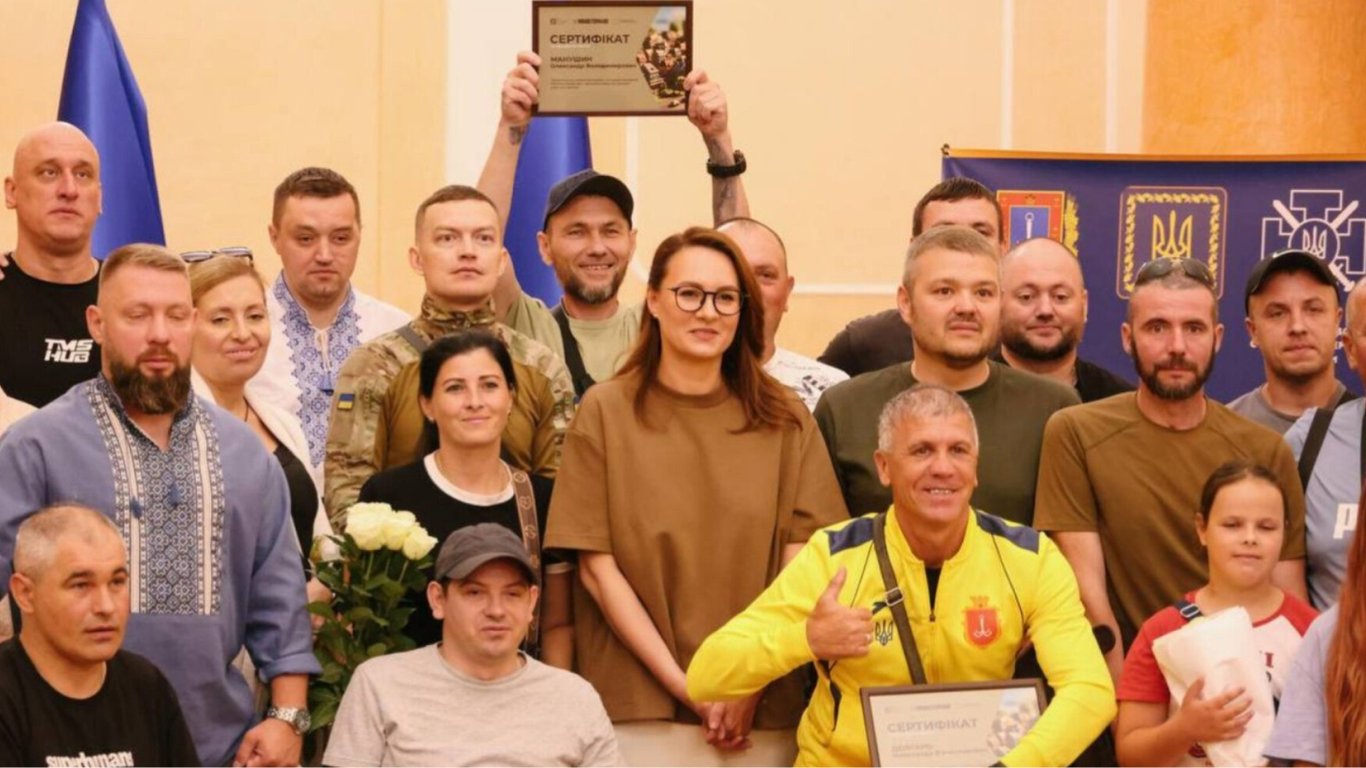
Separately, Defense Minister Mykhailo Fedorov recently met with assault troops and infantry from 13 units to discuss new approaches to service terms and compensation for assault brigades. This suggests the government is exploring ways to improve military service conditions and potentially reduce the number of AWOL incidents.
Kazarin emphasized that sending returning soldiers directly into assault units without individual assessment is a mistake. He believes commanders must consider each fighter’s personal circumstances rather than relying solely on aggregate statistics. At the same time, the broader debate over punishing desertion and evasion remains a pressing issue in Ukrainian society, with discussions expected to continue in the near future.
The push for harsher penalties reflects the complexity of the challenges facing Ukraine’s military. Understanding the diverse factors that lead to these decisions—and avoiding oversimplifications that distort the reality on the ground—is essential. As Kazarin’s experience shows, ensuring proper service conditions and support for troops may be the most effective way to reduce desertion rates.
Read also
- Defense Minister Fedorov: Over 211 Kilometers of Protective Barriers Installed in May
- Ukraine expands drone defenses: over 200 km of roads now covered with protective nets
- Ukraine’s Strikes on Russian Rear Areas Double: Fedorov Reveals Primary Objective
- Over 31,000 Russian Troops Eliminated: Fedorov Reports Record Defense Milestones
- Ukrainian forces set new records by destroying 1,550 Russian troops in a single day, with logistics strikes intensifying
- NATO and Ukraine Launch UNITE — Brave NATO: Key Battlefield Gains Ahead of Ramstein Meeting