Main News










Advertising
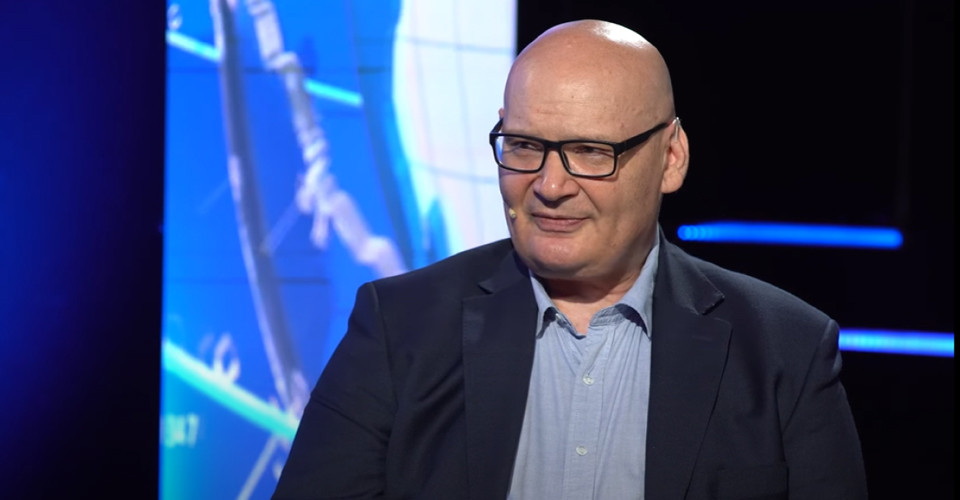
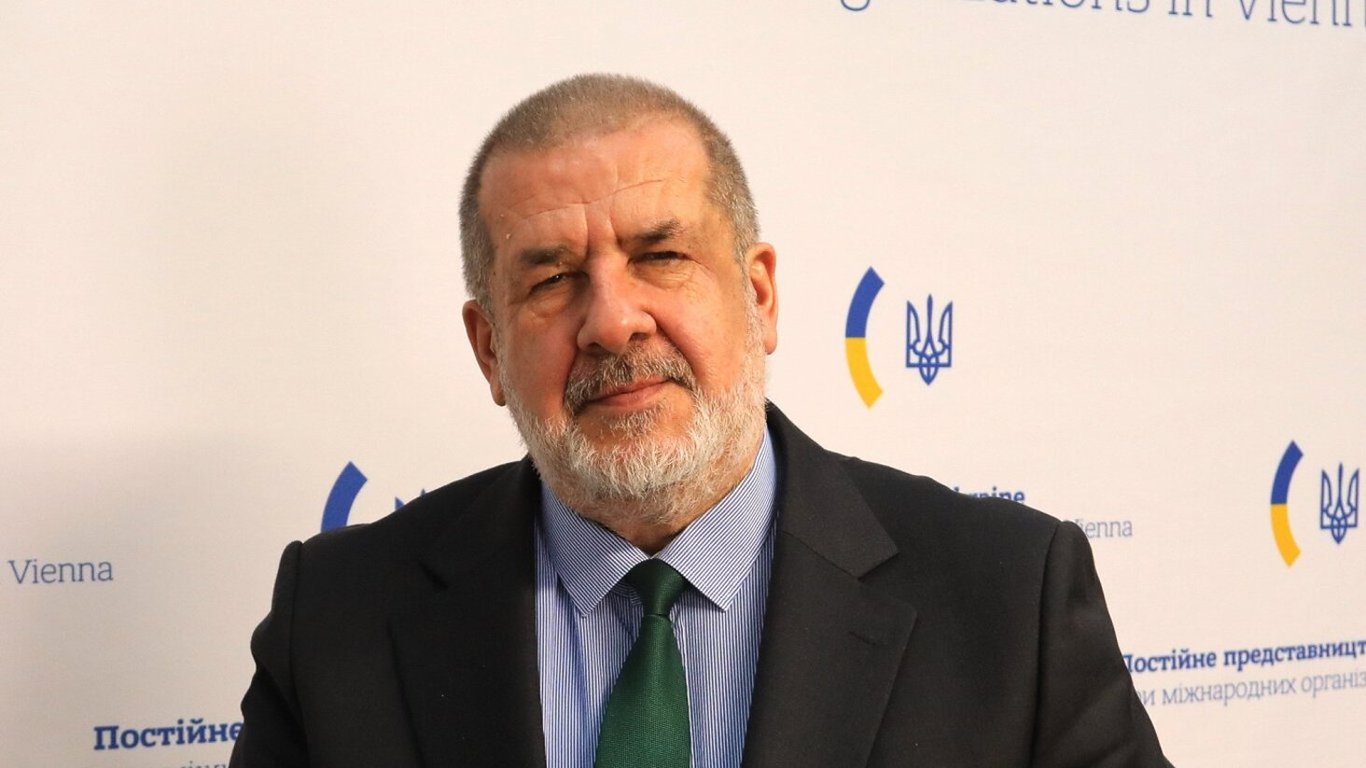

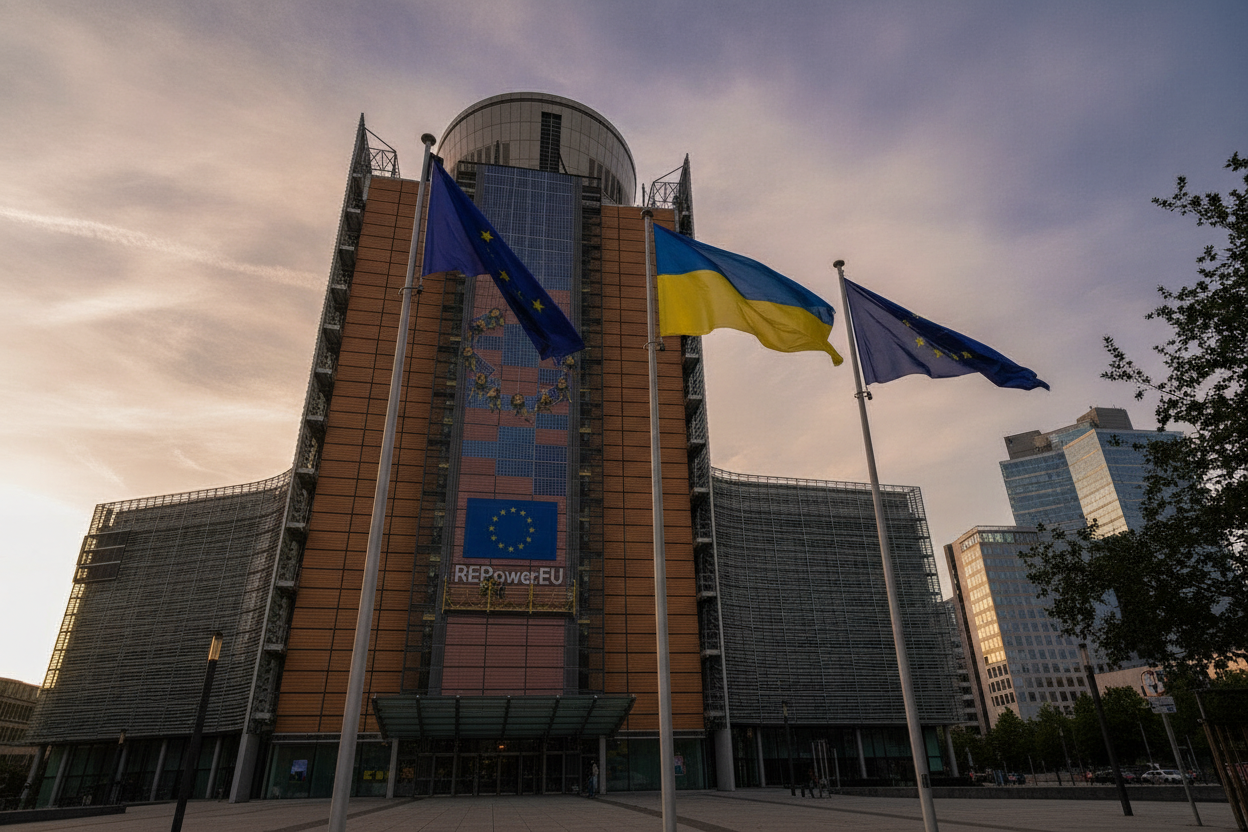



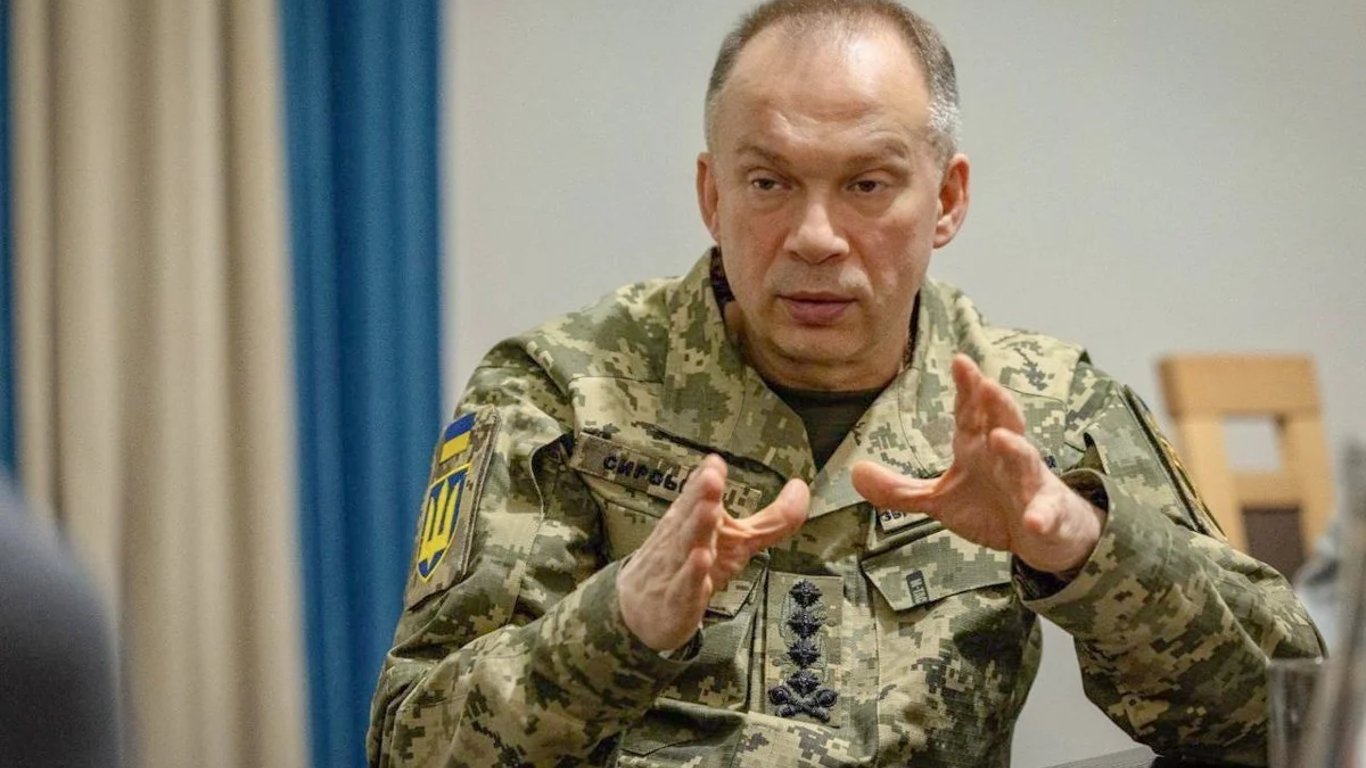
Why Ukraine Cannot Rely Solely on Foreign Aid for Post-War Recovery, According to an Economist
Economist's Perspective on Ukraine's Post-War Reconstruction Ukraine will require massive reconstruction and economic growth after the war ends, but this must be driven primarily by domestic resources. Financial analyst and economist Oleksiy Kushch argues that depending exclusively on external fund...
today, 06:54
317

Horoscope
LIFESTYLE


Tourism


July 2026 Lunar Calendar: Key Dates for Success and Caution Revealed
today, 09:00
166


A Cake Without an Oven: Celebrating Vera’s Name Day on June 27
today, 04:18
329
Tech

The Hidden Store Mode That Makes TVs Look Brighter Than at Home
today, 07:18
277
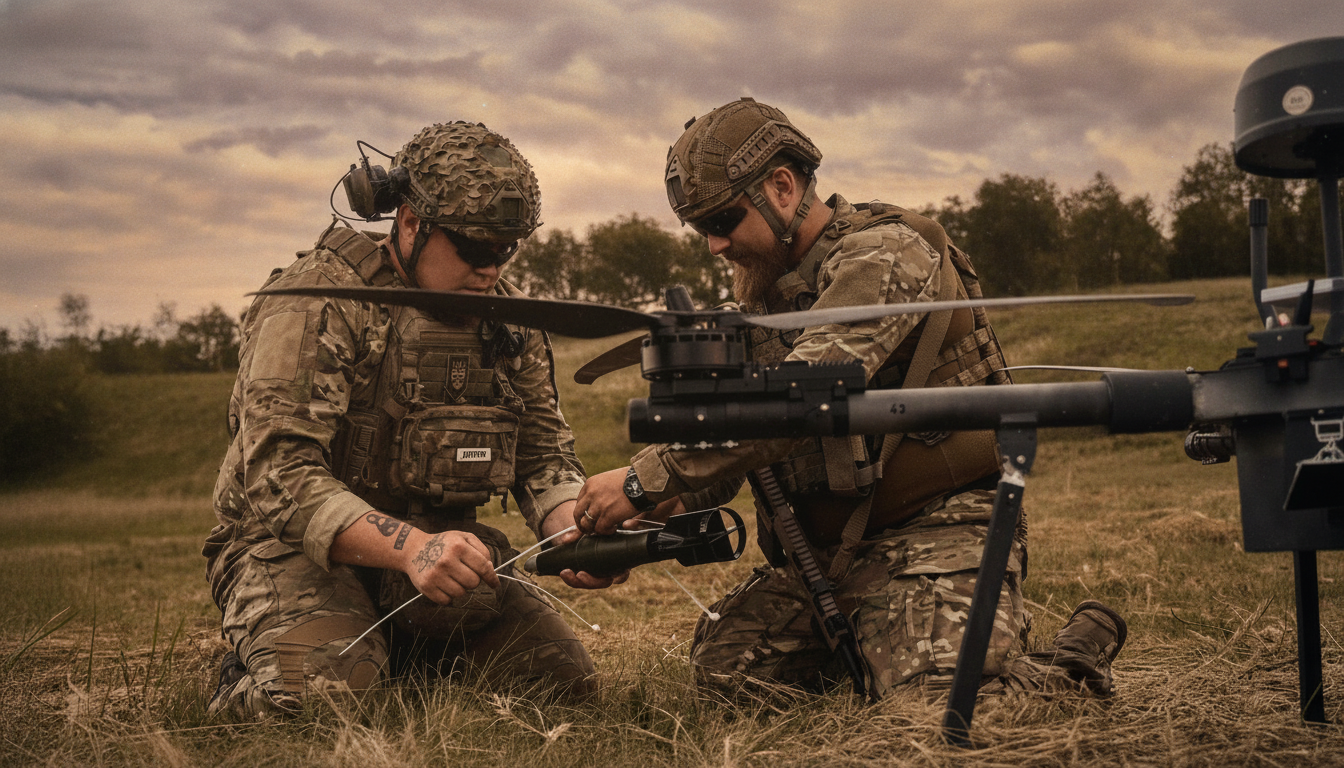
How Ukraine’s FPV Drones Are Taking Down Russian UAVs in Combat
today, 05:24
337
Society
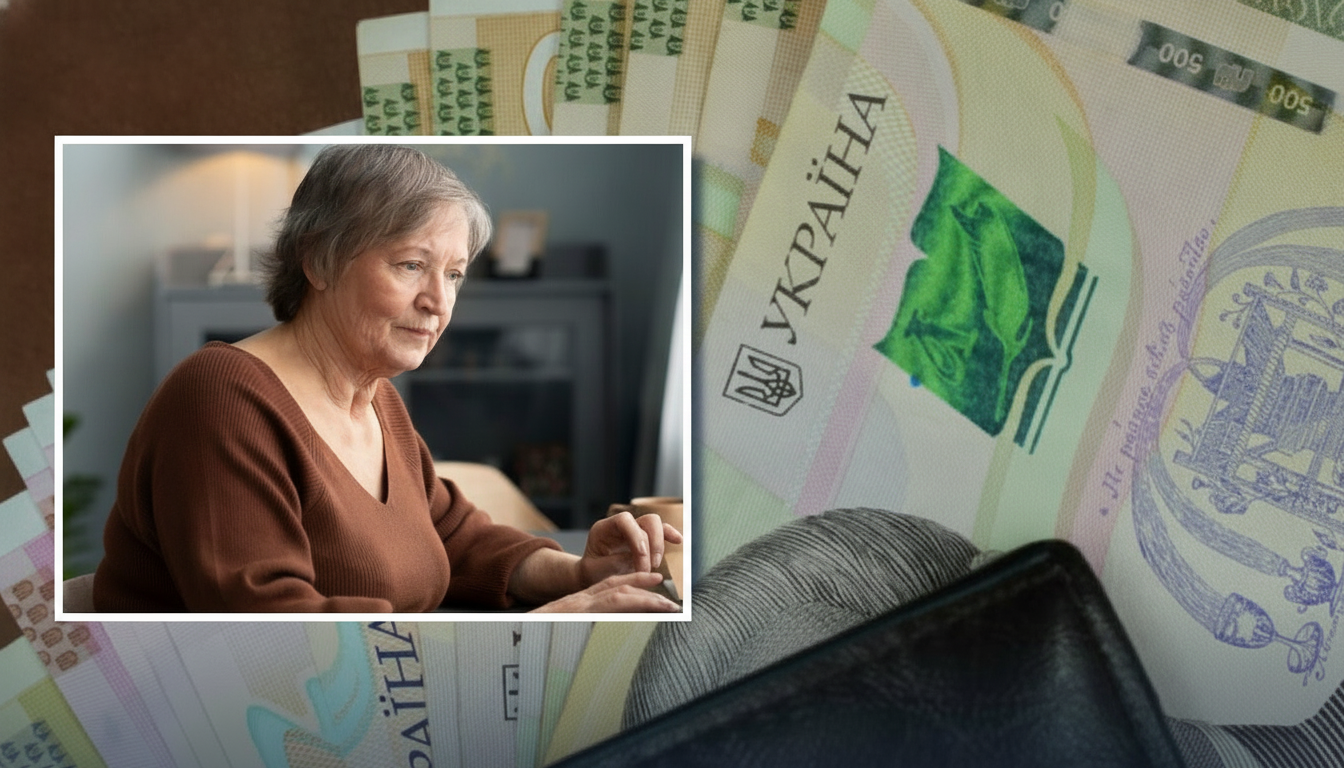


Pensions for Families of Fallen Soldiers to Rise to 12,810 Hryvnias
today, 07:30
271

Showbiz



Sports
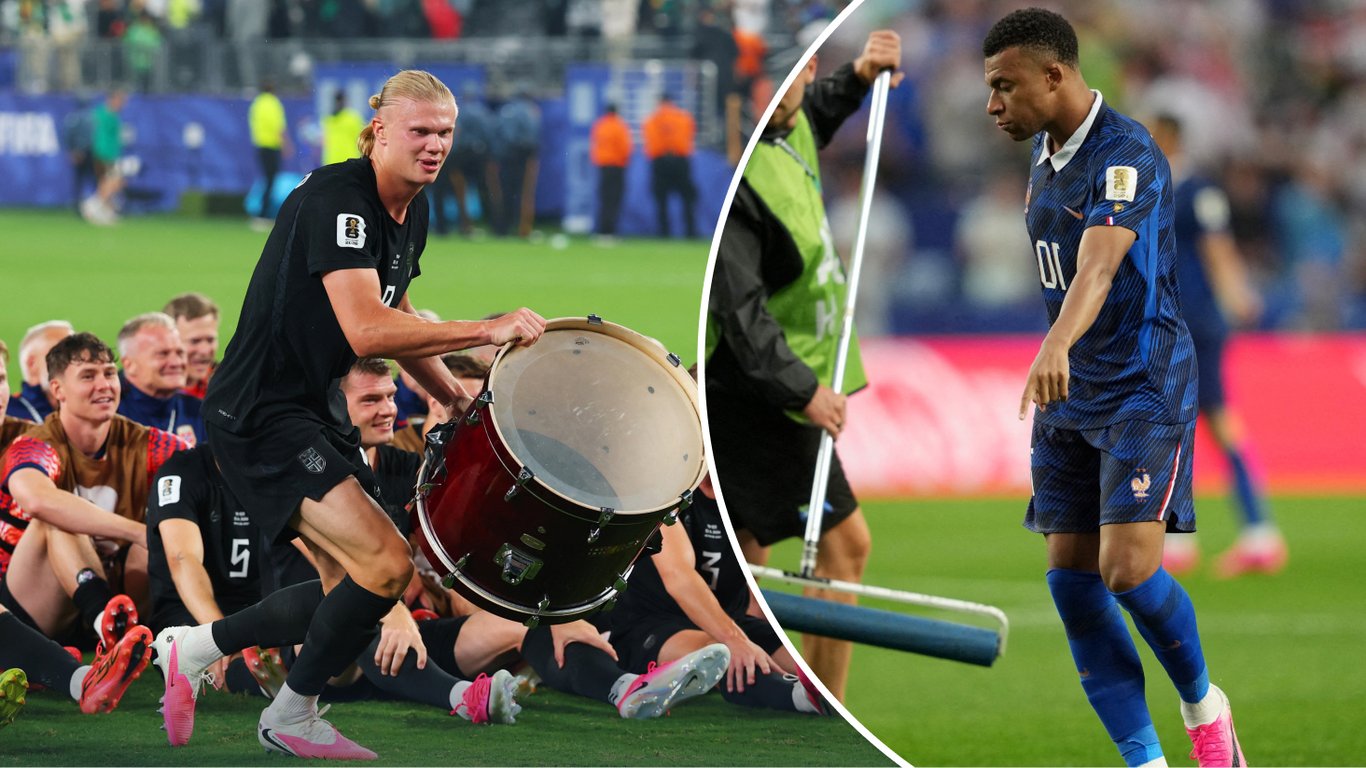

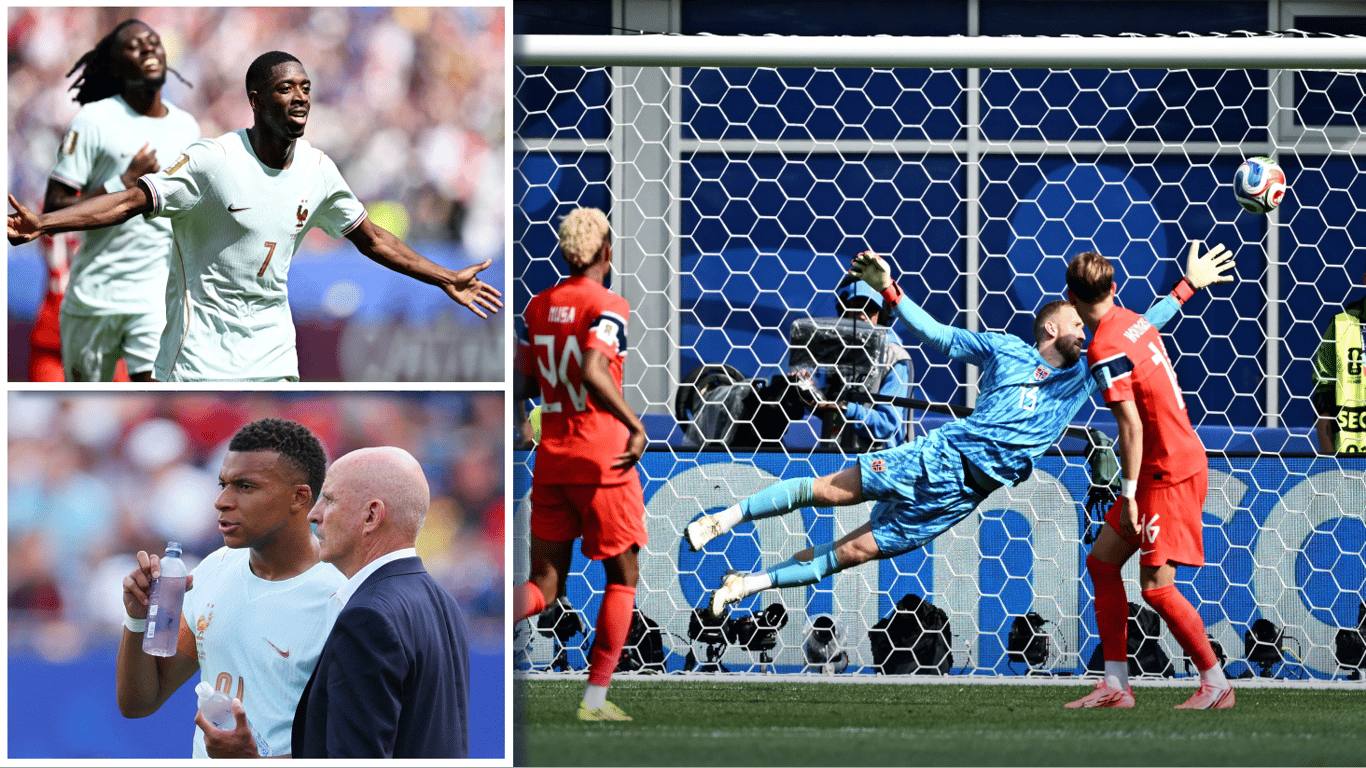
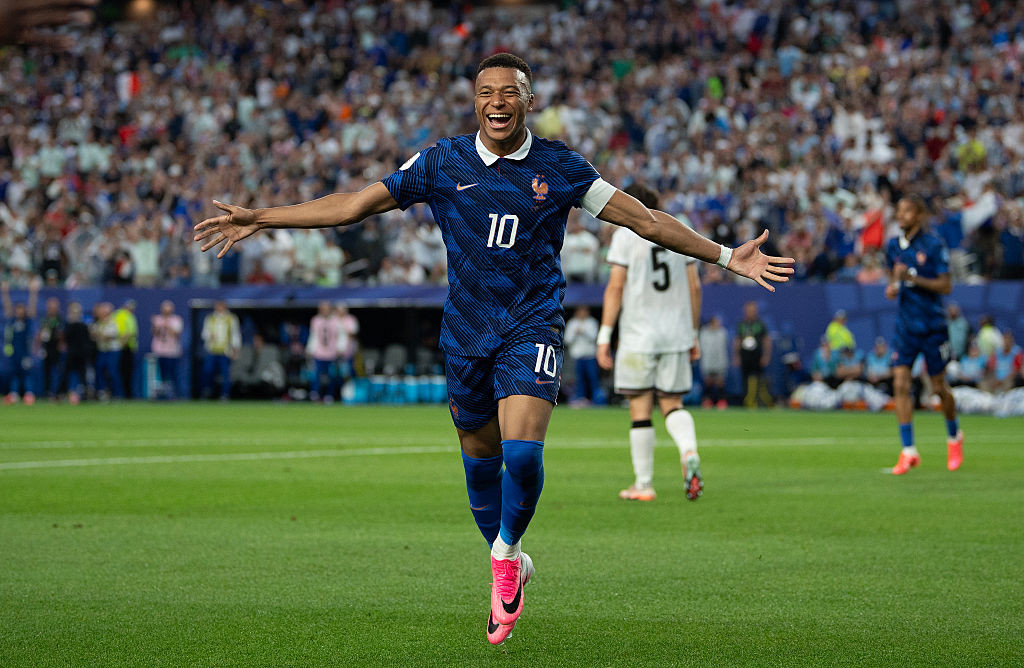
Group I Decider: Norway vs. France at the 2026 World Cup
today, 05:54
306
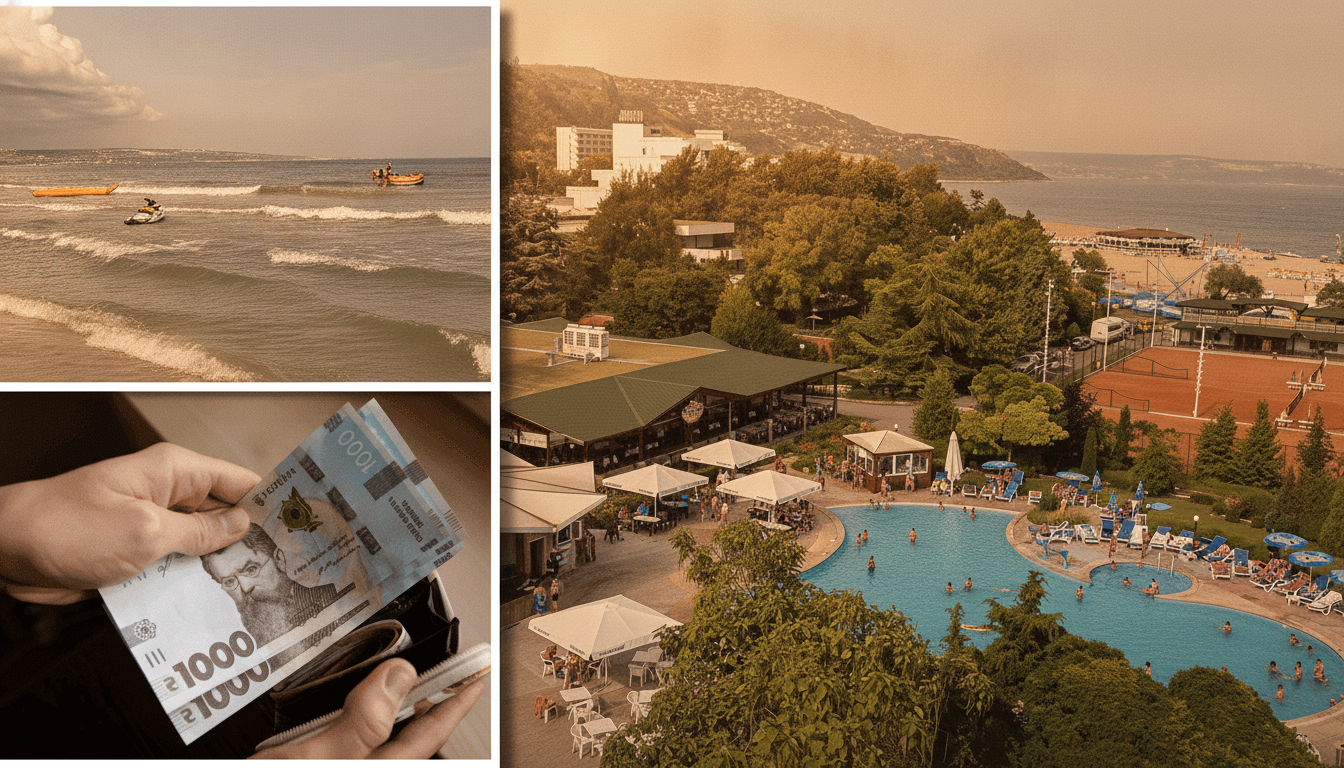
Affordable Summer 2026: Bulgaria and Turkey Reveal Vacation Costs for Ukrainians
yesterday, 13:42
418