Algorithms are changing culture: why everyone suddenly is fascinated by Labubu.

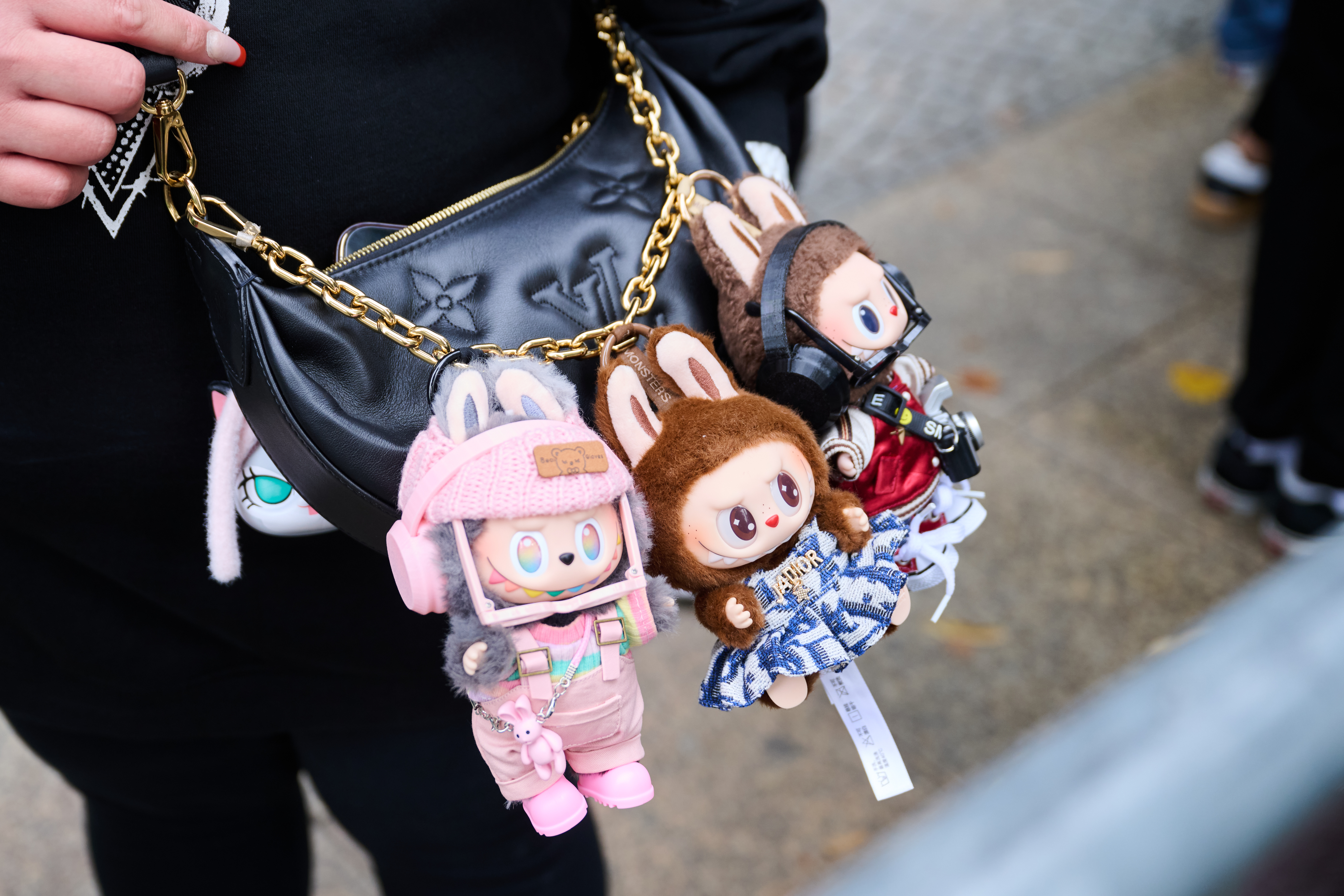
According to Vox: If you're puzzled as to why everything suddenly turned into “Dubai chocolate” or what Labubu is, you're not alone. Trends are so unpredictable that social media users have dubbed this phenomenon 'word salad': “labubu matcha dubai chocolate crumbl cookie benson boone …”. Sounds familiar?
Amanda Mall, who writes about consumption and the internet for Bloomberg, believes this mix of trends reflects our reality distorted by media algorithms.
Trends of the past and present
When Mall recalls fashion obsessions of the past, such as collecting Beanie Babies in the 90s, she notices a clear line between sociological phenomena and human influences that led to widespread popularity.
But now, it's not taste leaders who shape trends, but algorithms. All new obsessions share a common trait — the ability to grab attention while scrolling through TikTok or Instagram Reels. For example, the calming green shade of matcha or the rich textures of the kunefe filling in “Dubai chocolate” are perfectly crafted to make you stop.
Looking at trends through the lens of algorithms
Mall spoke with host Today, Explained, Sean Rameswaram, about how trends used to work and what the shift in social media consumption might mean for future trend cycles. Below is an excerpt from their conversation, edited for convenience and clarity.
“You wrote about the strange group of items that received a lot of recognition this summer. I have to fully commend zoomer users who independently created this group of trends.”
This set of strange recent trends, in my opinion, illustrates how unusual consumer product trend cycles have become.
Trends have always seemed a bit strange, as the average person has no clear idea where items suddenly become ubiquitous come from. But recently, trends have become even less connected to mainstream culture than before, fundamentally altering our understanding of how they emerge and why people buy certain products.
Features of modern trends
“Yes, a lot of this is fueled by TikTok, but it’s a phenomenon of algorithmic social networks, as you get very little context on these platforms.”
This complicates understanding where these trends originate, why they captivate so many people, and what it all means.
“The Beanie Babies story demonstrates how trends traditionally spread, but Labubu, unlike them, requires less rational justification.”
However, the market for Labubu figurines and their counterparts, known as Lafufu, has notably grown. This boom is driven by a desire to simply attach one of these figurines to clothing.
Does all this lead to some infantilization?
Yes, indeed. The algorithm governing these conditioned platforms complicates understanding the context of what you see.
This particularly explains why content on social media is usually best received if it’s bright, attractive, or evokes strong emotions — as this increases user engagement.
Challenges and hopes
“This is pretty bad. I think it doesn’t make anyone culturally better.”
However, among such trends, there is a desire for people to understand the connection between their online and offline lives.
“People still want to have a consensual reality, which is a good sign.”
Thus, despite such rapid changes and trendy obsessions, the interest in real connections and feelings remains stable. This indicates a human need for authentic interactions in a world dominated by algorithms and digital trends.
Read also
- Three Ukrainians Without Documents Rescued from Occupied Territories Under Bring Kids Back UA Initiative
- Ukraine’s first underground kindergarten opens in Kharkiv, accommodating 260 children
- Ukraine's ports crippled by Russian strikes: 28 vessels hit, 21 killed
- 24 Children Rescued from Occupied Territories by Save Ukraine, Including Injured 13-Year-Old Anhelina
- Woman Faces Up to 7.5 Years in Prison After Attacking Children for Speaking Ukrainian in Poland
- One of the Most Recognizable Voices on Ukrainian Radio, Journalist Oleksandr, Has Passed Away