Parasocial Relationships: What They Are and Why We Feel Connected to Celebrities.

According to Vox: A Vox reader asks: What are parasocial relationships and why are they so common today?
Imagine listening to your favorite podcasters every day. You know their voices well. They are active, open, and share numerous details from their own lives, and what they don’t say in the podcast is easily discovered from their social media. Over time, it feels like you know them, consider them friends. Then one day, you see them in a café and decide to go over and say hello, but they look at you like a stranger — because that’s exactly what you are.
In reality, no matter how close you feel to your favorite celebrities, influencers, or podcasters, these relationships are one-sided. Such interactions are called “parasocial.” The prefix “para” indicates closeness, but also that this is not a true communication. These connections may seem social, but they are not.
So why do so many people think this is normal?
The easy answer is that people are capable of projecting their feelings. After all, look at those who convince themselves that their favorite celebrities are in love with them or are divine prophets.
The more complicated answer is that modern fame is built from many elements that create a public image to which everyone aspires to belong. This has been made possible because all of us, in one way or another, have helped create it.
Parasocial relationships have existed practically as long as celebrities
The yearning for personal relationships with people we have never met is deeply rooted in human nature. This is evident even in religion: Christians are encouraged to have relationships with Jesus, who lived 2000 years ago. We also see this in political systems. Think of medieval soldiers who died fighting for the name of a king they had never met.
The association between these feelings and fandom has existed since at least the 19th century, receiving some stigmatization. At that time, analysts introduced the terms “Byronmania” and later “Listomania” to describe the obsession of Europeans with the romantic poet Lord Byron and pianist Franz Liszt. Then came “Beatlemania,” which initiated the practice of the media devaluing fans as hysterical, overly sexual young women — a perspective that underestimates the cultural significance of female fans.
Fandom can be deeply meaningful and positively impact the lives of millions. However, the anxiety surrounding parasocial relationships is often based on assumptions that fans cannot distinguish reality, ignoring their diverse experiences and expressions.
Yet, the truth is that fans who cross boundaries complicate the lives of those they admire. Modern fandom culture has shifted the focus from worshipping unattainable Hollywood icons to more complex relationships between fans and stars. This change began in the late 2000s with K-pop fans and gamers on YouTube and Twitch, and later spread to influencer marketing phenomena and ultimately, to modern “stans.”
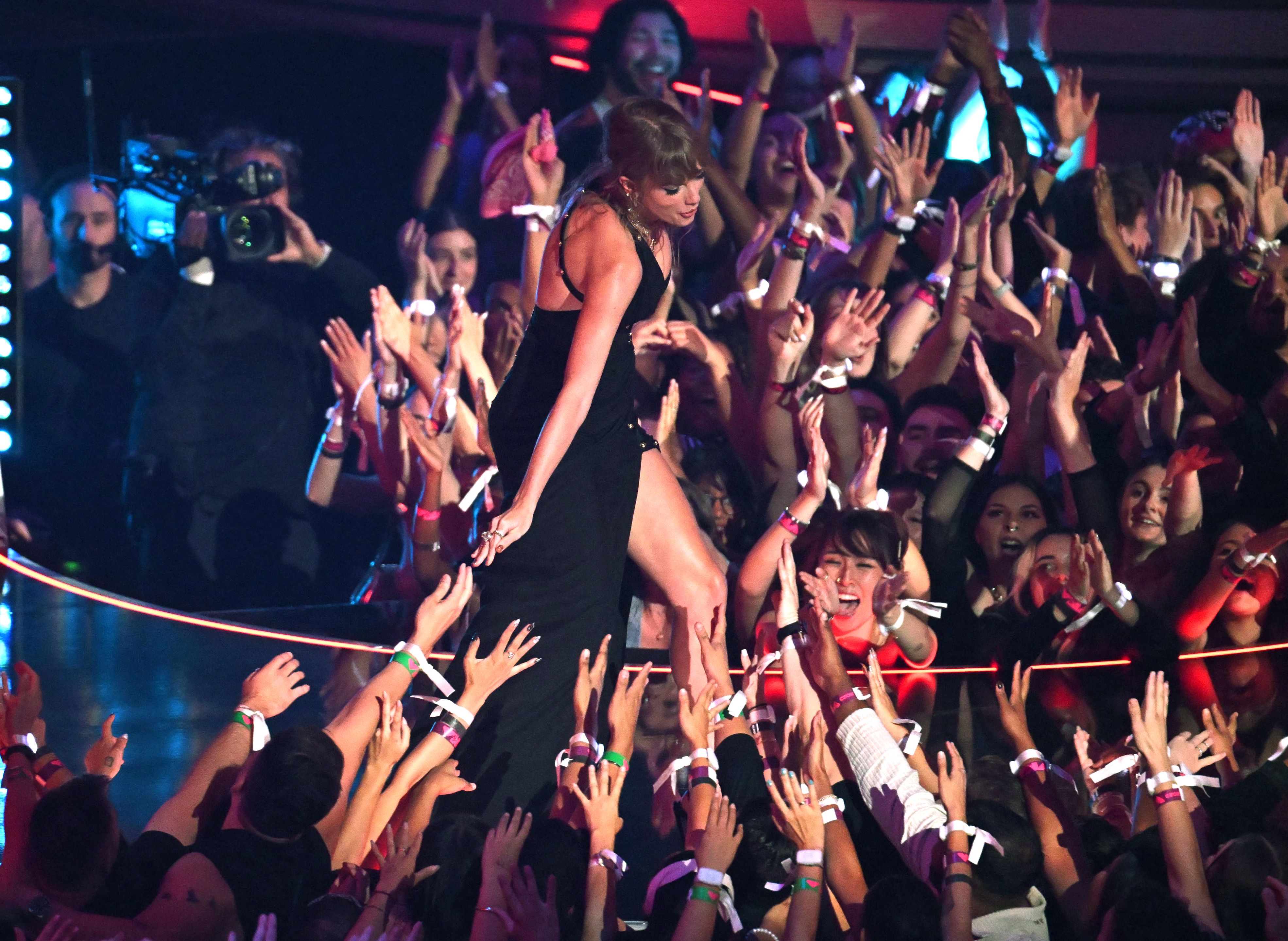
While many aspects of stan culture are positive and desirable between stars and fans — as seen in the case of Taylor Swift — there are also clearly toxic elements. Some fans attempt to control their idols' personal lives, shame them, and protest when they seek to live beyond their public personas. Other segments of modern fans actively pursue celebrities, openly and proudly, often denying that their behavior is harmful.
At the beginning of the influencer marketing era, many successful individuals lacked media training and preparation to handle their newfound fame. However, more and more celebrities are becoming aware of the complexities of these relationships and are beginning to express their opinions without feeling pressured to please fans. For example, last year Chappell Roan openly spoke about stalking and bullying from her fans. In recent years, celebrities like John Cena and Mitski have asked fans not to film them, with Mitski noting that she feels “consumed” amidst a crowd of phones.
@chappellroanDon’t think this is about anyone specific. This is just my perspective and feelings.
Most fans, however, never interact directly with the public figures they “communicate” with. They engage with a public persona that exists between the individual and their fans. Since this public persona is not absolutely real, the boundaries that usually exist in real relationships are easily blurred.
Why are we like this???
The term 'parasocial' was introduced by sociologists Donald Horton and R. Richard Wohl in 1956 in an essay 'Mass Communication and Parasocial Interaction: Observations on Intimacy at a Distance' in the journal Psychiatry. “One of the striking features of new mass media,” they wrote, “is that they create an illusion of personal relationships with the performer.” They termed this new kind of media encounter 'parasocial interaction.'
Horton and Wohl also painted a new space that has since been described by philosopher Jacques Lacan, arguing that each person exists in a sort of triple state: symbolic representation of oneself; an imagined, often idealized version that we integrate when we picture ourselves; and the 'real' self, the true person who exists separately from the symbolic and imagined.
The result of this complex interdependence is an increased sense of mental ownership by fans over the personal lives of their idols.
Nowhere is this triple state more visible than in the case of celebrities. Film scholar Richard Dyer first articulated the concept of the “star text,” arguing that every Hollywood star exists simultaneously as a person and as a constructed face — a “text” that can mean different things for different audiences. For example, the construction of “Chappell Roan” represents a glamorous queer pop idol, embodying liberated queer identity expressed through complex love songs and powerful anthems.
This public face, which exists separately from the celebrity’s personality, becomes part of cultural consciousness. It is partly created by the celebrity, partly by the brand, partly by the narrative shaped by their fans and/or marketing team, and partly by the spirit of pop culture. The public face is what society can help create, expand, and shape. It carries meaning that can be revered or condemned, or onto which projections can be made. And it is this face with which we have our “relationships.”
Fans rarely achieve this “state of relationship” on their own. Modern fame employs intimacy tools to encourage fandom and stake its place in culture. How much time, for example, do you spend listening to your favorite podcaster or vlogger? It’s easy to start believing that you are best friends with people who talk to you for hours each day. There is also a marketing apparatus that actively or strategically supports these relationships. Think, for example, of Jin, the oldest member of the popular K-pop group BTS, who had to hug a thousand fans upon finishing military service. Media also plays a role in this culture, fueling speculation about the private lives of celebrities.
The result of this complex interdependence is that fans increasingly feel entitled to certain parts of their idols' lives. The celebrity's inability to control this is part of the tension surrounding parasocial relationships. In many cases, even the realization that an actor can be someone other than their professional face can provoke anxiety among fans. This applies not only to “extreme” fans. Think of those who emotionally react to John Mulaney's breakup or the Try Guys scandal.
These media narratives happen because so many people feel entitled to the lives of those they have never met. Eradicating this would mean severing over a hundred years of media passion for the lives of actors and other public figures and their influence on genuine fans. This is practically impossible.
Parasocial relationships will remain — so engage with stans responsibly
So what is the way out? It might be too simplistic to say “stan responsibly,” especially when fan etiquette is evolving rapidly. But it is likely the most rational approach to the reality of parasocial relationships.
If you feel that it is normal to share and interact with photos of celebrities in their private moments, it may be worth revisiting your interest in them and their lives. If you find yourself caught up in strange theories that question what is real and what is not, it may be time to step back before you get pulled in deeper.
If you have children who watch YouTube, make sure they understand the context of what they see before your child starts believing that their favorite influencer is their best friend. If you are convinced that your favorite podcaster is close to you, it might be worth lowering your expectations if their opinions suddenly become strange or politically unacceptable. Speaking from my own experience.
Ultimately, remember that parasocial relationships are about the same as any other relationships. They can be fun, exciting, and emotionally fulfilling — but only as long as they are managed cautiously.
This story was originally published in The Highlight, a member-exclusive magazine of Vox. To get early access to articles available to members only, join the Vox Membership program today.
Read also
- Three Ukrainians Without Documents Rescued from Occupied Territories Under Bring Kids Back UA Initiative
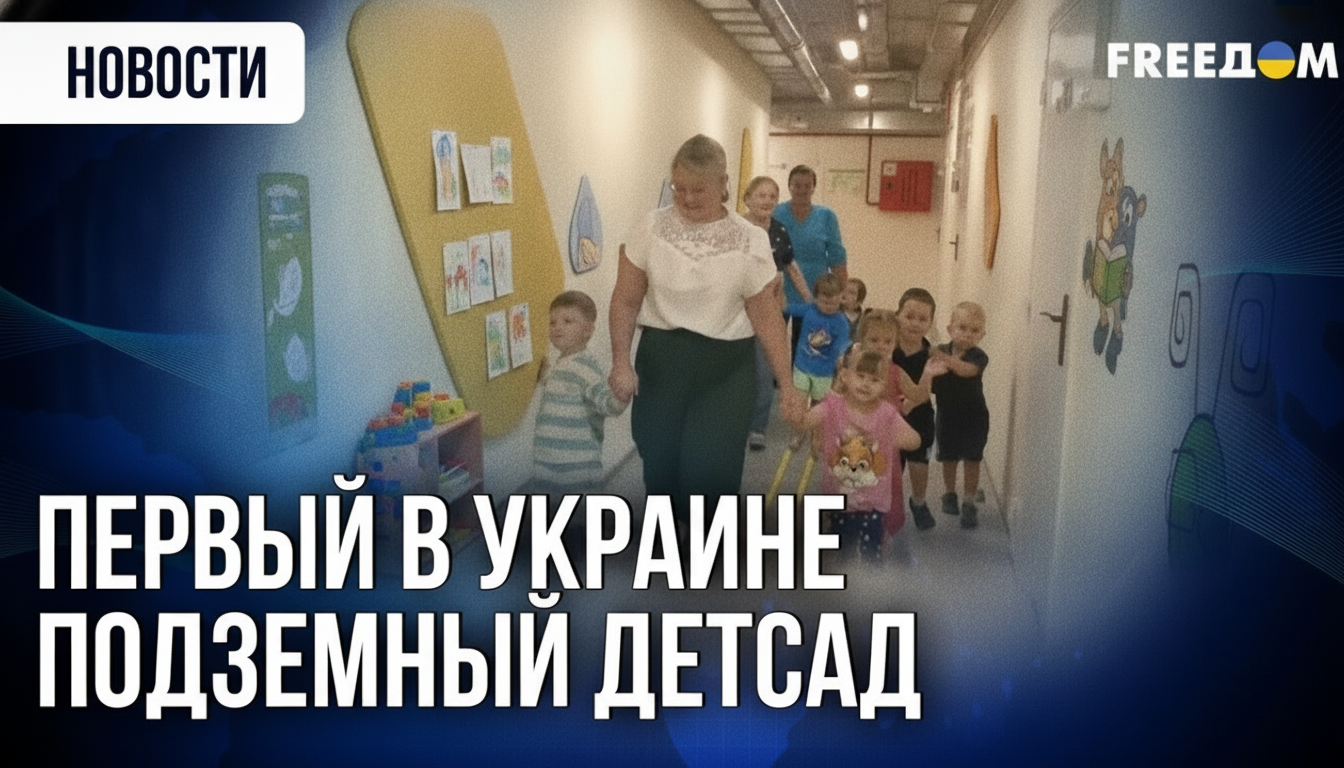
- Ukraine’s first underground kindergarten opens in Kharkiv, accommodating 260 children
- Ukraine's ports crippled by Russian strikes: 28 vessels hit, 21 killed
- 24 Children Rescued from Occupied Territories by Save Ukraine, Including Injured 13-Year-Old Anhelina
- Woman Faces Up to 7.5 Years in Prison After Attacking Children for Speaking Ukrainian in Poland
- One of the Most Recognizable Voices on Ukrainian Radio, Journalist Oleksandr, Has Passed Away