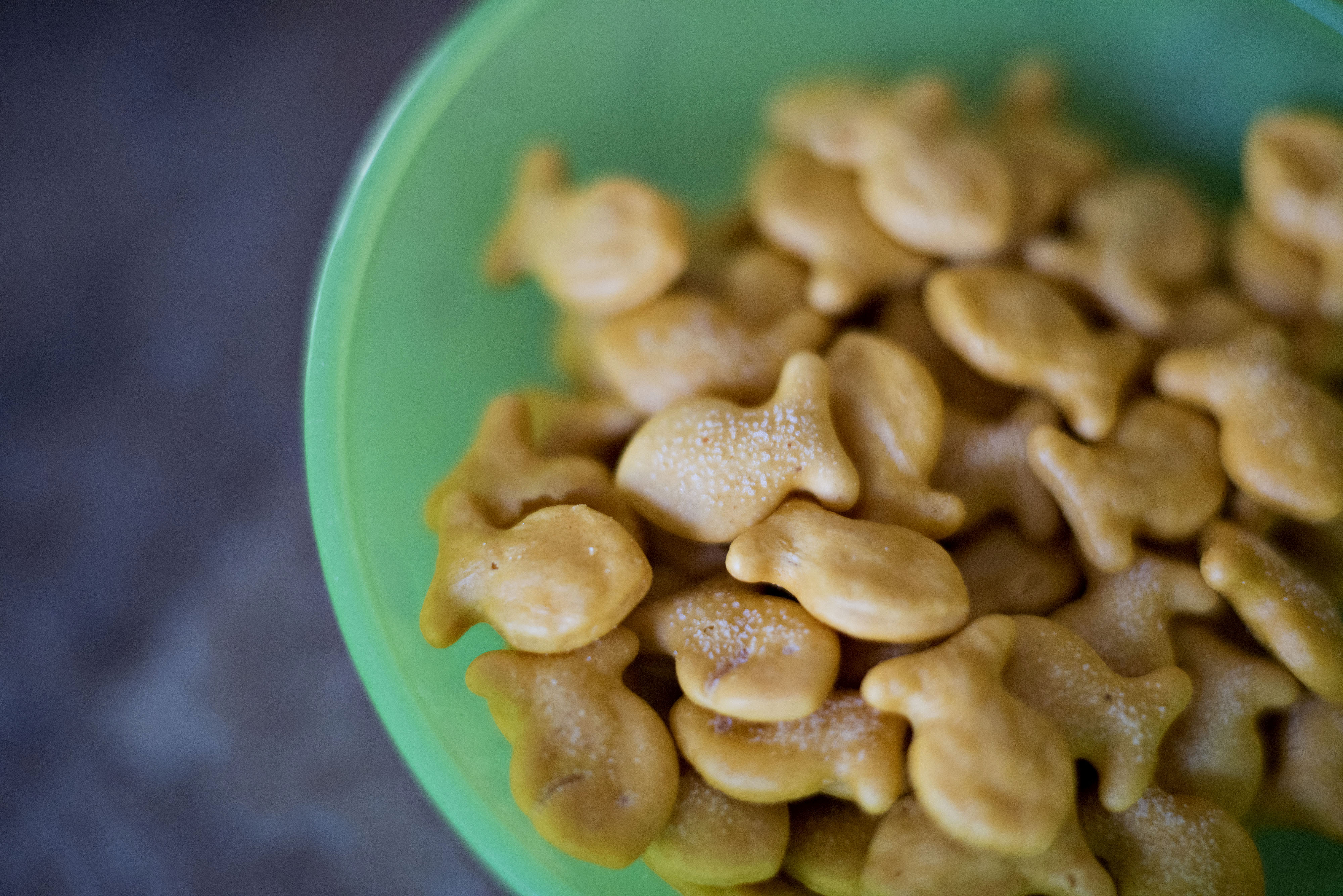
Are Goldfish Really Harmful to Children? What Scientists Say.

According to Vox: This story first appeared in Kids Today, a Vox newsletter about children, for all. Subscribe here for future issues.
Are American Children Eating the Wrong Foods?
This is a question that has concerned parents and politicians for many years and has become particularly relevant in recent months due to Robert F. Kennedy Jr.'s movement 'Make America Healthy Again', which highlights the rise of chronic illnesses in children that activists believe are linked to poor nutrition.
Some claims of this campaign, particularly about the dangers of seed oils, lack scientific backing. However, researchers and experts are concerned, to varying degrees, about the impact of ultra-processed foods on children's diets and the rise in childhood obesity.
Children and Food
I have always believed that diets do not work and that restricting children's food intake is unacceptable. However, I often find it hard to understand how to talk about food at a time when there is anxiety and misinformation about children's health. How can parents and politicians find the right approach in this situation without falling into obsessive label-checking?
I reached out for advice to Virginia Sole-Smith, whom I have been following since her articles about children's nutrition in the New York Times. She understands well that children's needs vary, and what may seem like a safe nutritional guideline could actually be harmful. Virginia is the author of Fat Talk: Parenting in the Age of Diet Culture and the Burnt Toast newsletter, which actively advocates for an anti-diet approach to nutrition.
“When you try to solve the problem of body size, you create a truly toxic set of consequences for people's relationships with food and their bodies.”
Research on Childhood Obesity
I do not believe that body size should be pathologized. Studies show that increases in body size have been observed over the past 40 years, and the fight against childhood obesity is ongoing. This suggests that an obsession with body size does not lead to improved health.
It is also necessary to discuss access to food as a fundamental issue. Free nutritious breakfast and lunch programs can be implemented, as well as increasing food stamp benefits for low-income families. When we focus solely on weight, we are not addressing the underlying issues and thereby contributing to the epidemic of disordered eating.
What Parents Should Do
My advice to parents who are concerned about the impact of ultra-processed foods is that if children are getting enough food, then maintaining a healthy diet happens naturally. Their dietary patterns may look different, but that does not mean their needs are not being met. The key is access to food, and it is important to avoid conflicts with children over food, as that only undermines their autonomy.
Children have the right to control their eating, to have enough food for healthy growth, and to develop autonomy regarding their bodies. If parents recognize this, issues around nutrition can be resolved naturally.
Read also
- Three Ukrainians Without Documents Rescued from Occupied Territories Under Bring Kids Back UA Initiative
- Ukraine’s first underground kindergarten opens in Kharkiv, accommodating 260 children
- Ukraine's ports crippled by Russian strikes: 28 vessels hit, 21 killed
- 24 Children Rescued from Occupied Territories by Save Ukraine, Including Injured 13-Year-Old Anhelina
- Woman Faces Up to 7.5 Years in Prison After Attacking Children for Speaking Ukrainian in Poland
- One of the Most Recognizable Voices on Ukrainian Radio, Journalist Oleksandr, Has Passed Away