







Three Weeks into the US-Israel Conflict with Iran: What It Means for Ukraine.
Military Conflict and Its Repercussions
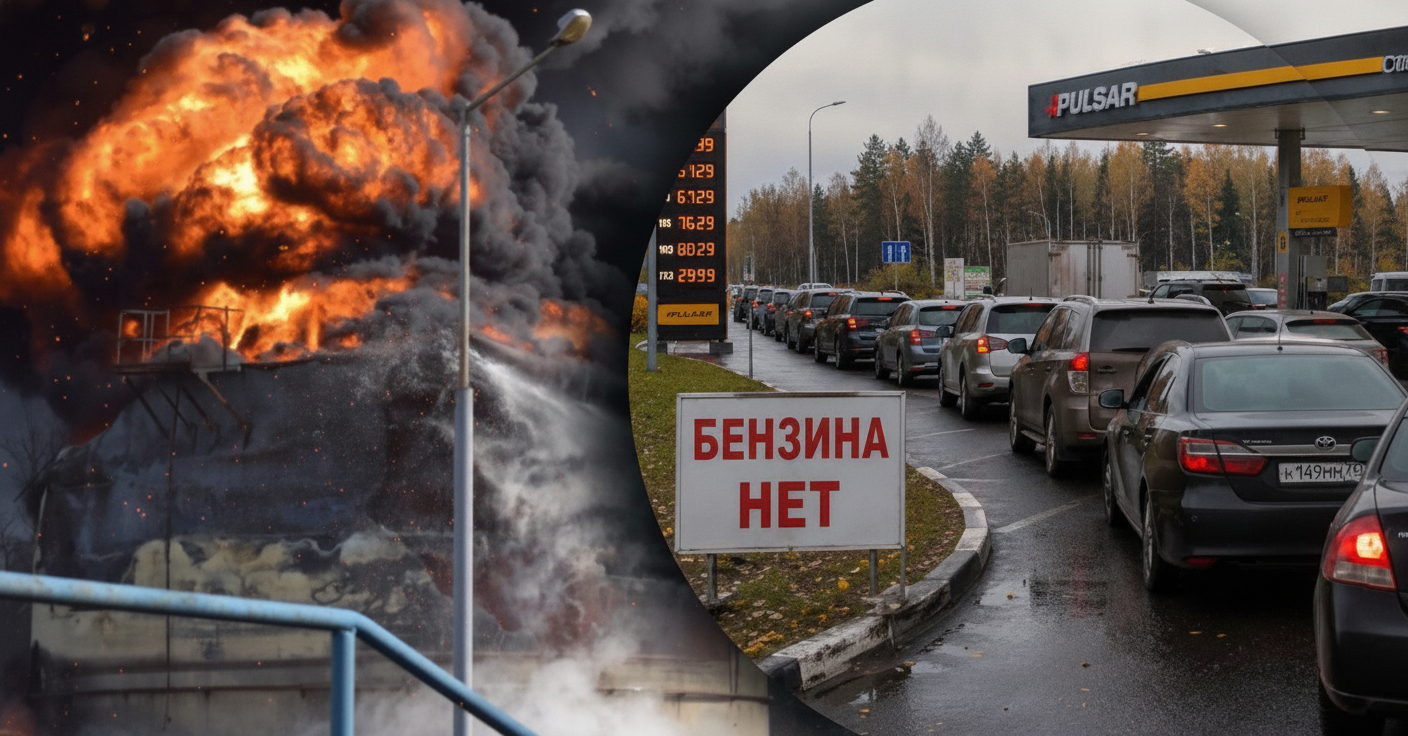
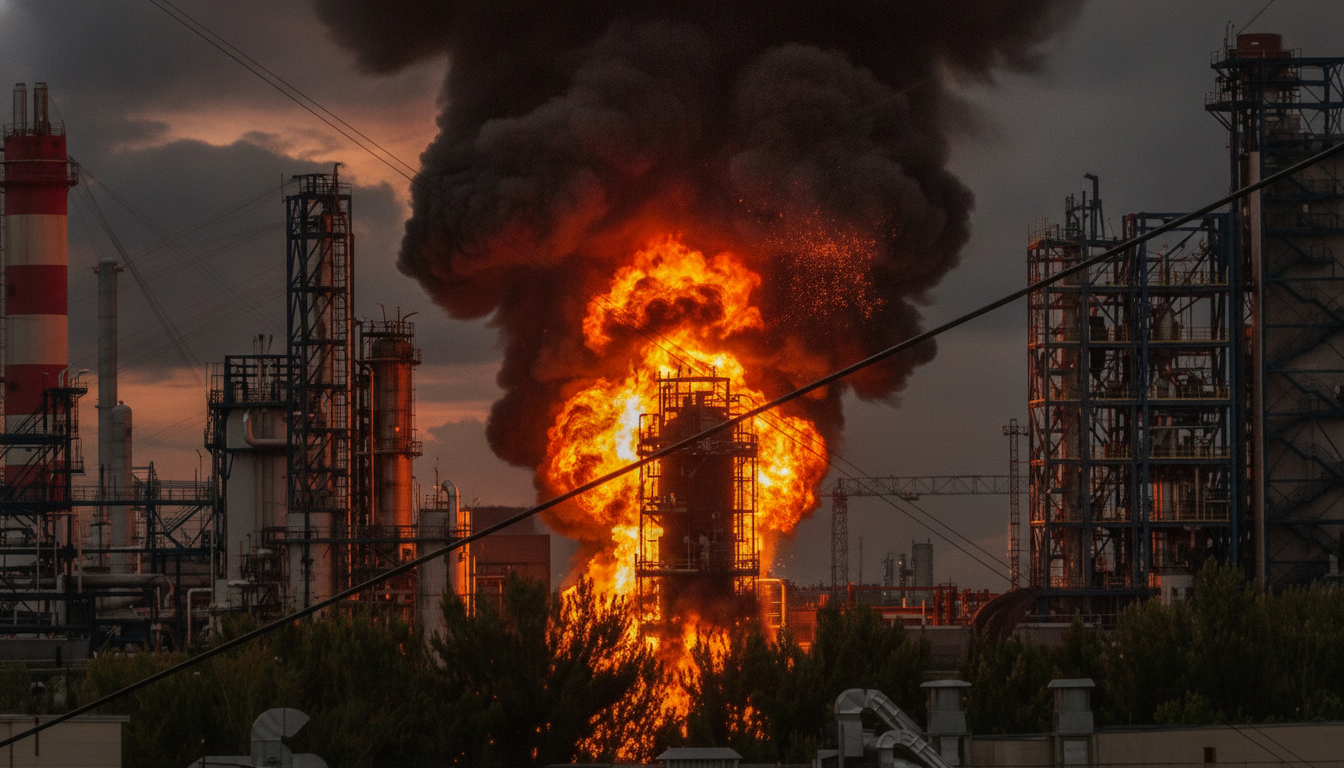
According to TSN.ua: For over three weeks, a military confrontation involving the United States, Israel, and Iran has been unfolding, triggering significant global political consequences—including for Ukraine. In response to Iran's blockade of the Strait of Hormuz, the US decided to ease sanctions on Russian and Iranian oil, a major shift in international relations. This conflict has already begun to reshape energy markets and political calculations across the region.
Ukraine's Situation and Analyst Insights
Former US President Donald Trump issued a 48-hour ultimatum to Iran to reopen the Strait of Hormuz, highlighting the tense negotiations and the potential for further escalation. Amid these developments, the majority of Ukraine's population remains firmly opposed to becoming part of Russia, reaffirming their national identity and commitment to independence.
Notably, the previous war in Iran lasted 12 days in June of last year, suggesting a possible timeline for the current Middle Eastern conflict, which has already stretched to three weeks. Analyst Cheon Ing-bom commented on the situation, stating:
'There will be no victory for Russia. And there will be no victory for Ukraine.' Cheon Ing-bom, analyst
He also added: 'Sorry, but I don't see Putin wanting to stop this of his own free will—that's a serious problem.' According to the expert, the situation is complex, and he believes 'I don't think they made a mistake.'
Furthermore, Cheon Ing-bom emphasized that 'It won't be easy for China to do this because it has its own problems,' pointing to the global challenges facing key players on the international stage. Thus, the ongoing military conflict between the US, Israel, and Iran not only affects the political landscape in the region but also carries far-reaching implications for Ukraine and other countries caught up in this crisis.
The current situation in the Middle East underscores the complexity of international relations and the interconnected nature of geopolitical conflicts. The easing of sanctions on Russian and Iranian oil, as a response to Iran's actions, may reflect the US's desire to stabilize energy markets, but it simultaneously heightens the risks of further escalation. Ukraine, witnessing these events, continues to assert its independence, which could shape its political stance in international negotiations.
Read also
- Trump Says Zelensky and Putin Must Resolve the War on Their Own
- Armenia’s Final Pivot West: What Drove Pashinyan’s Decision
- Europe Urged to Shoulder Ukraine Support as Trump Shifts Responsibility: Expert Analysis
- America’s Role in Backing a Putin-Zelensky Meeting: Trump Weighs In
- Kremlin Acknowledges Receipt of Zelensky’s Letter to Putin
- Trump Backs Direct Talks Between Zelensky and Putin: Key Details