







Relocating? Military-Age Men May Be Denied Deregistration Under New Rules.
Shifts in Military Registration for Draft-Eligible Men
According to TSN.ua: During wartime in Ukraine, men subject to military service face potential denial when attempting to cancel their registration upon moving. This stems from current legal provisions and recent legislative updates governing military record-keeping under conflict conditions. For context, Ukraine has been under martial law since Russia's full-scale invasion began in February 2022, which has tightened controls on conscription and residency changes.
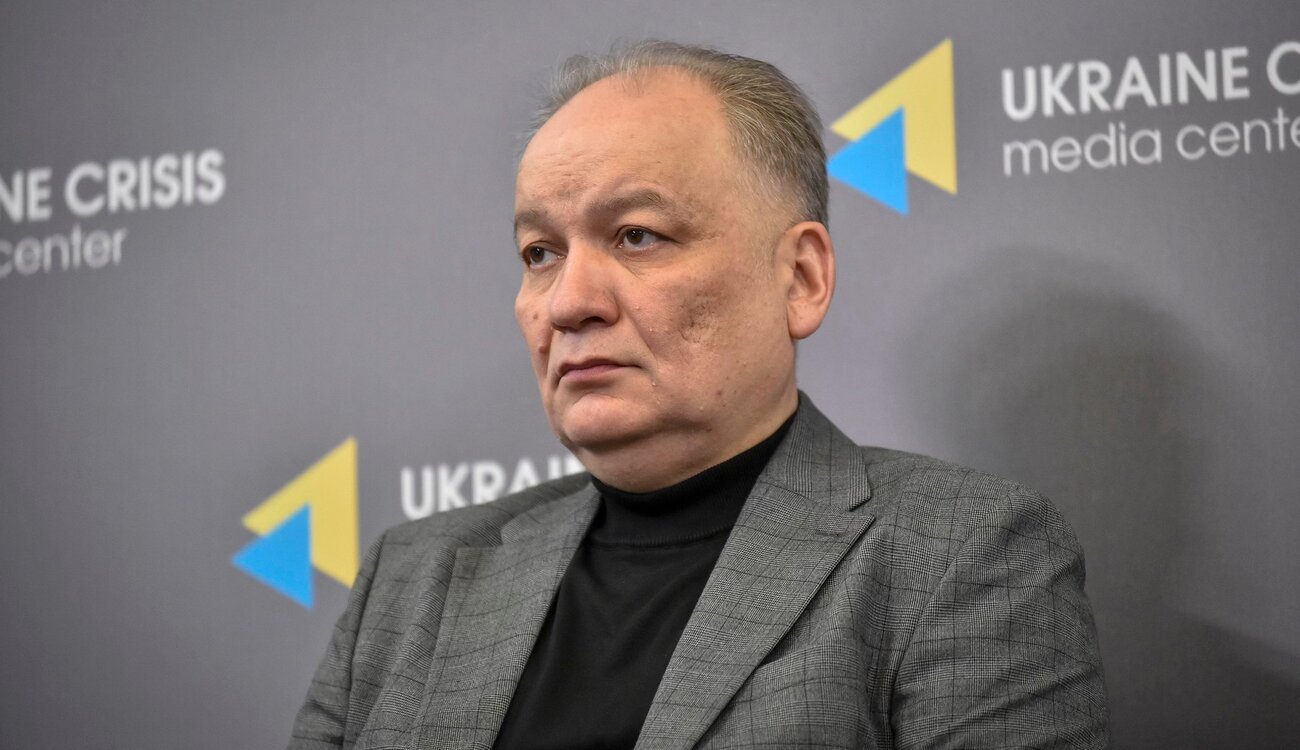
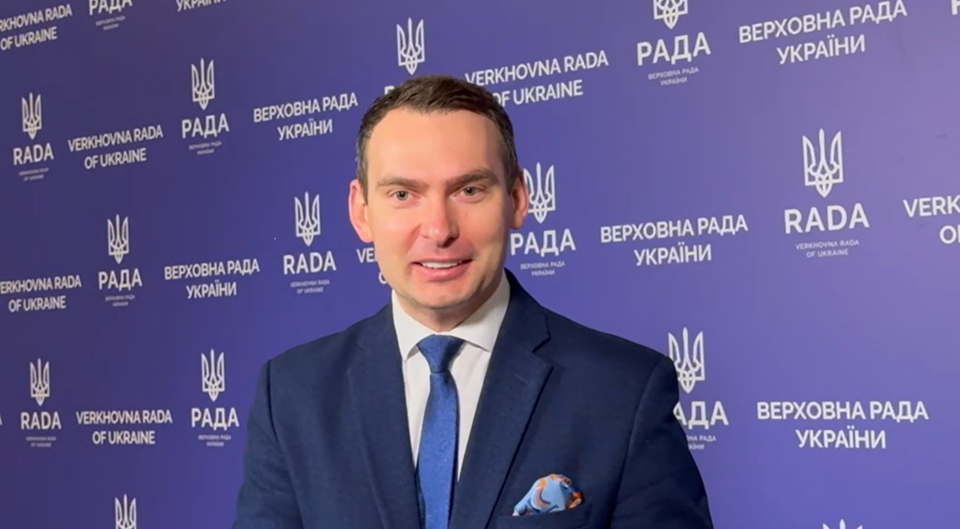
Between 2022 and 2024, a regulation prohibited changing one's place of residence during the war. According to Vladyslav Deriy,
“from 2022 to 2024, a rule existed that banned changing residence during wartime.”This restriction complicated the process of updating residency registration for draft-age men, tying it directly to military records. However, after 2024, that prohibition was lifted, and internally displaced persons must now register with military authorities within seven days.
Challenges and New Regulations
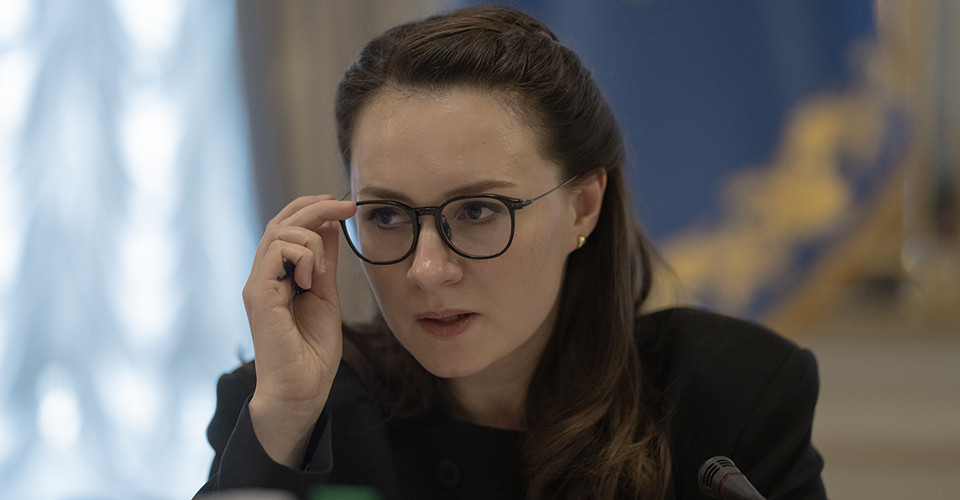
As the war continues, Territorial Recruitment Centers (TCCs) at a person's current registration location have the authority to refuse deregistration, as noted by Vladyslav Deriy. This creates obstacles for those planning a move. Yuriy Ayvazyan emphasizes that
“if you intend to relocate to another city and register your residence there, you must first register with the relevant TCC for military service.”
Consequently, changing military registration for draft-eligible men in Ukraine during wartime is a complex process governed by specific legal norms. It is crucial to consider all nuances to avoid potential rejections and future complications.
This situation underscores the importance of understanding legislative changes in the context of war, as they directly affect citizens' rights and obligations. For men of conscription age, staying informed about new rules is essential, since these can impact their ability to change residence and manage personal affairs during hostilities. The landscape may remain fluid, as legal adjustments could occur depending on the conflict's evolution and state needs.
Read also
- Post-War Ukraine’s Defining Question, According to Terekhov: What Kind of Country Will Emerge?
- Elections Begin in Armenia: Voter Turnout Climbs to 15%
- Iran’s Supreme Leader Khamenei Killed in Massive U.S.-Israeli Airstrike
- Armenia’s Future: Pashinyan Casts His Ballot and Outlines His Vision for the Nation
- Ukraine Lost to NATO in Two Out of Three Simulated Scenarios: What This Means for Its Membership Prospects
- Court Intervention Required to Fix Errors in Ukraine’s ‘Oberih’ Military Database: Who Is Affected