Poll: Armed Conflict Tops List of Security Threats for 72% of EU Citizens.

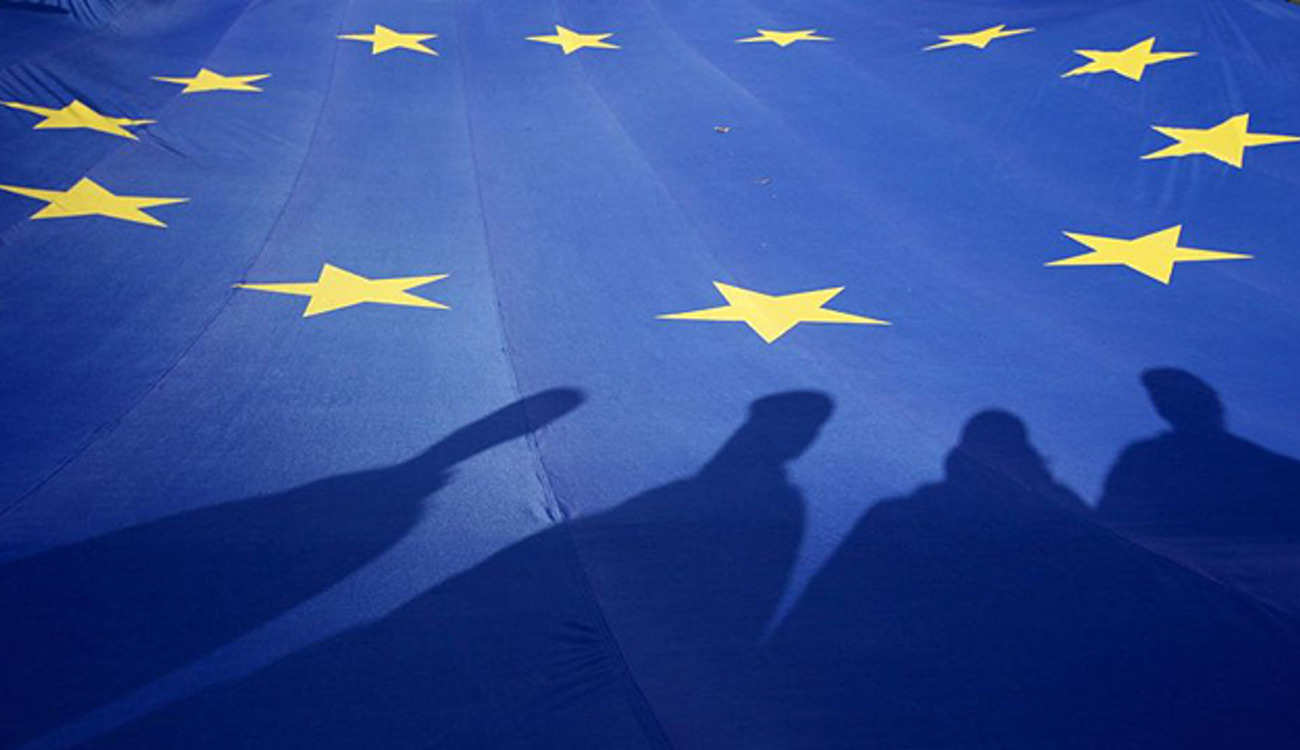
Security Concerns for EU Citizens
According to UATV: A new Eurobarometer survey reveals that armed conflict is now viewed as the primary security threat by nearly three-quarters of EU citizens. The poll, conducted in November 2025 among over 26,000 respondents across all 27 member states, highlights a significant rise in public anxiety over safety and stability. This growing apprehension reflects the tense geopolitical climate and its direct impact on European public opinion.
Alongside the fear of war, a majority of respondents—89%—are calling for greater unity among EU nations on security matters. A pessimistic outlook on the world's future is shared by 52% of those surveyed, while an equal percentage believes protecting peace should be the European Parliament's top priority, underscoring a strong public demand for collective action.
Contemporary Challenges Facing Europe
Other major concerns include terrorism, which worries 67% of Europeans, and cybersecurity and natural disasters, a concern for 66%. On the domestic front, 41% of respondents see inflation and the cost of living as the main challenges in their countries, while 35% point to economic stagnation. Notably, 28% of citizens expect their standard of living to decline over the next five years.
According to Roberta Metsola, citizens expect the EU to act as a 'shield,' capable of defending them and taking collective action.
These findings emphasize the urgent need to intensify efforts in strengthening defense and security, boosting economic competitiveness, and achieving energy independence—key areas for reinforcing Europe's global position. The survey data was published on the official website of the European Parliament.
The results demonstrate a marked increase in security-related unease among the EU populace, a trend likely influenced by recent geopolitical events and global instability. In response, EU member states may find it necessary to deepen their cooperation on security and defense, while also pursuing joint strategic initiatives focused on economic stability and social welfare to address these widespread public fears.
Read also
- June 16 Marks the Start of Ukraine's First EU Accession Negotiation Cluster
- Why Estonia Urges the EU to Process Ukraine and Moldova’s Membership as a Joint Effort
- EU Freezes €16 Billion for Hungary Over Its Blockade of Aid to Ukraine
- EU Approves €90 Billion Loan for Ukraine, Yet Final Hurdles Remain
- EU Considers Funding for Repairs to Ukraine's 'Druzhba' Oil Pipeline, Metsola Announces
- EU Must Move Faster on Sanctions, Targeting Russia's Shadow Fleet, Says European Parliament