










Demographer Libanova: There Will Be No Baby Boom in Ukraine After the War.
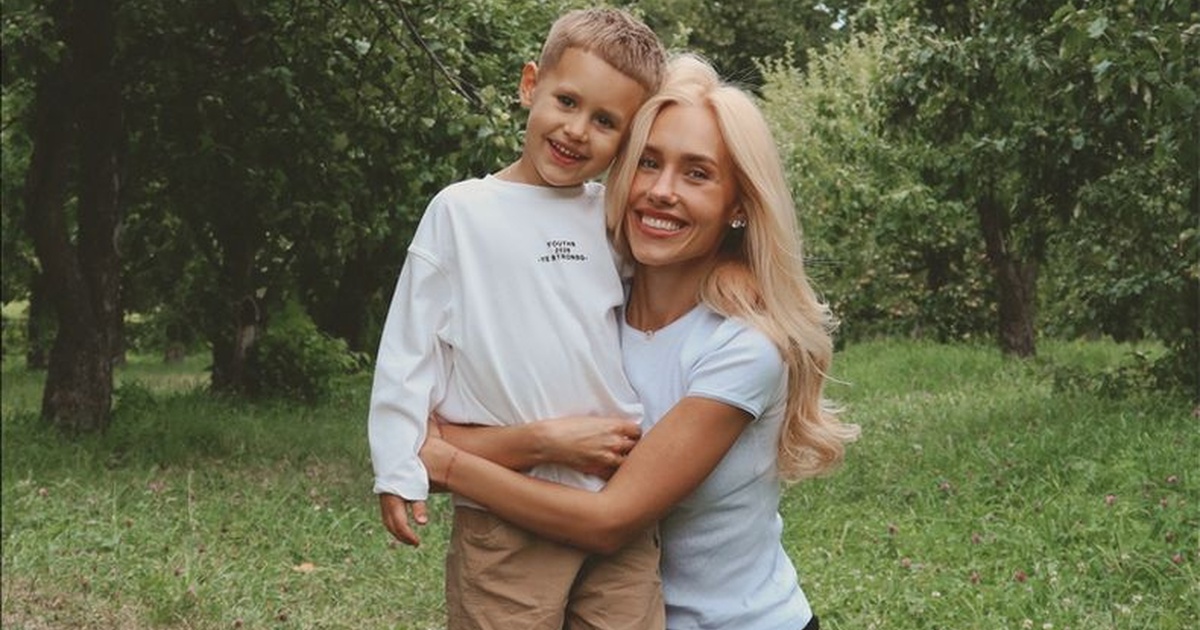
According to ТСН: In Ukraine, there is no expectation for a post-war baby boom similar to that observed after World War II. At that time, children were a necessity as the costs of raising them were significantly lower, and the demands for quality of life were completely different.
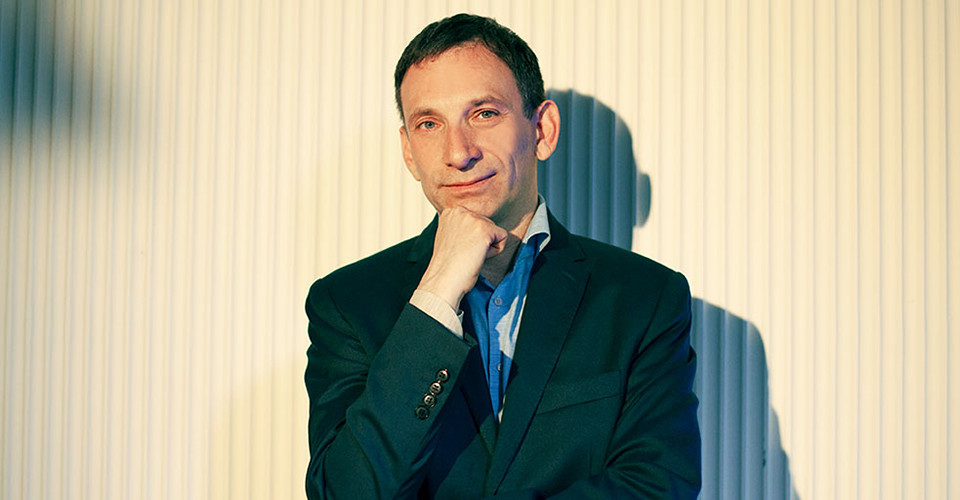
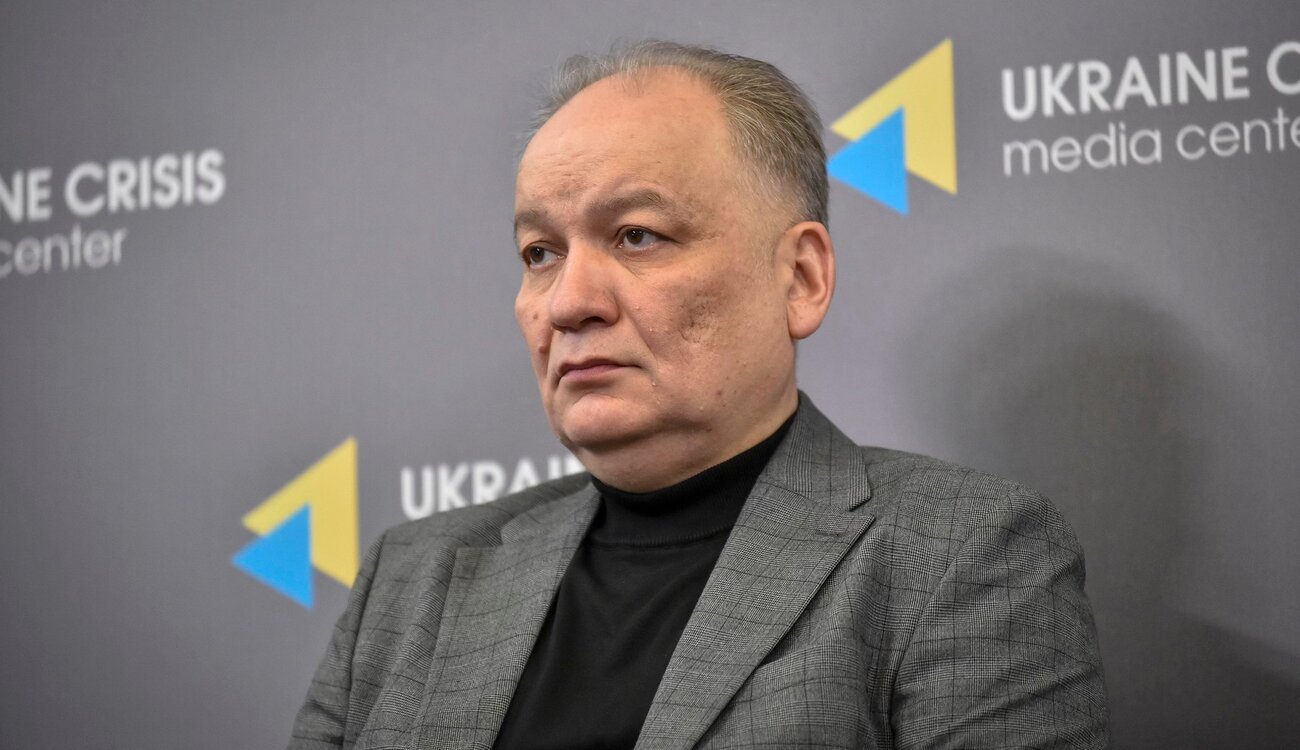
Ella Libanova, the director of the Institute of Demography and Social Studies of the National Academy of Sciences of Ukraine named after M.V. Ptukha, stated in an interview:
‘Therefore, I am very doubtful that we will see a noticeable increase in birth rates. Compared to that time, today the factor of birth rate regulation is also at play. After World War II, there were almost no contraceptives. Today, those who want to have children are the ones giving birth.’
Before the onset of the major war in 2021, the average birth rate was 2.1 children per woman, but currently, according to specialists' estimates, it has decreased to about 0.7. After the conflict ends, there is a chance of partial recovery to approximately 1.6, but this is the maximum. To maintain simple generation replacement, at least 2.15 is needed. In many European countries, this figure also does not reach 2, while in South Korea it is around 0.7.
Will Increased Payments Affect Birth Rates?
Libanova emphasized that the recent increase in state assistance for childbirth will not lead to an increase in birth rates.
‘This assistance is not related to the increase in birth rates. It is to enable families to buy diapers, formula, toys, and more. That is, it is related to alleviating poverty for families with small children but not at all about birth rates,’
the specialist stated. Authorities usually announce increases in payments in advance, and families start to plan. For example, if the assistance increases from 10 to 40 thousand hryvnias next year, many postpone having a child. As a result, in the year before the increase, the number of newborns significantly decreases, and after the new sums are introduced, there is a 'deferred' surge: some families have their planned child, while others decide to have a second one.
It has also been previously discussed that Ukraine is facing a serious demographic problem. It is important to consider that Ukrainians are moving to European countries, where there is an aging population and a shortage of labor.
‘Here come Christians, peaceful, industrious, educated. They bring children with them; a third of migrants are children under 18 years old. I realized back in 2022 that this would be a colossal problem,’
Libanova noted. She also emphasized that everyone is interested in the assimilation of Ukrainians.
In light of these problems, the demographic situation in Ukraine requires a comprehensive approach, as not only the increase in payments but also the creation of stable living conditions can influence the recovery of birth rates. The state must consider modern needs and challenges to provide acceptable conditions for families with children and encourage them to have more children.
Read also
- Memorial Plaque Unveiled at ONTU for Fallen Ukrainian Hero Oleksiy Vadatursky
- New Parking Signs in Ukraine: Which Vehicles Are Banned from Stopping in Designated Zones
- Men Over 50 Excluded from Combat Units: Decision Reached by Military Recruitment Centers
- Blago Unveils 'Blahozavryk' Mascot at Forum, Donating 100% of Profits to Superhumans
- Ukrainian Military Recruitment Personnel Now Authorized to Use Force and Weapons: What You Need to Know
- Heating Bills for January to Be Revised in Kyiv: Over 720 Million UAH in Compensation Announced