





Zelensky on Peace: Why the Last 10% of Negotiations Are the Most Difficult.

Zelensky on Peace: Why the Last 10% of Negotiations Are the Most Difficult

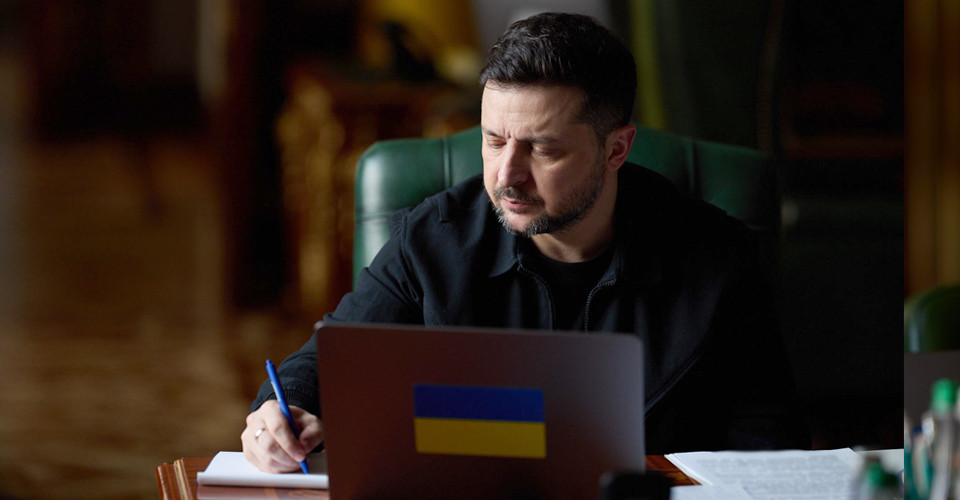
According to ТСН: The war in Ukraine has now lasted about four years, and its end remains uncertain. In his New Year's address, President Volodymyr Zelensky stated that he would give everything if he could say that peace would come in a few minutes, but unfortunately, that is currently impossible.

"The Last 10 Percent"

Zelensky emphasized that the peace agreement is 90% ready, but that these last ten percent could be the most difficult. This remark diminished US President Donald Trump's optimism regarding a quick resolution to the conflict.

"These 10% basically contain everything"

Almost a year has passed since Trump took office with the promise of ending the war within 24 hours, yet this has not happened. The end of 2025 was marked by active negotiations, from which a plan was leaked proposing that Ukraine relinquish the Donbass.

US Army Secretary Dan Driscoll gathered NATO diplomats in Kyiv for a meeting where he urged Ukraine to sign the agreement immediately, threatening worse conditions in the future. However, Zelensky and his European partners were able to fend off this plan as Ukrainians viewed it as capitulation.

Political Changes: Budanov at the Head of the OP

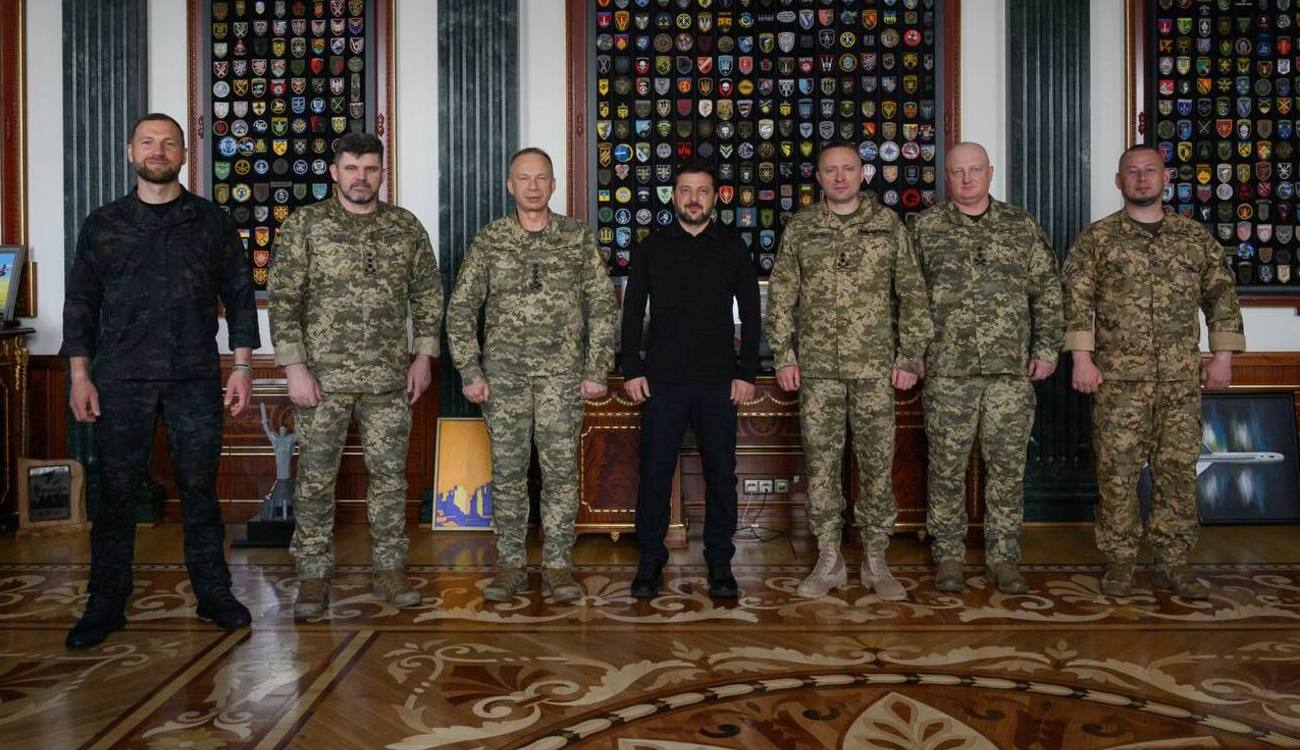
Ukraine is experiencing significant political changes. President Zelensky appointed Kyrylo Budanov, the former head of the military intelligence, as the head of the President's Office.

This appointment came against the backdrop of the resignation of Andriy Yermak, the President's closest adviser, following a corruption scandal. Budanov's selection, known for his proactive approach against Russia, could signal a new course for Kyiv in negotiations. He has good ties with Western intelligence and communication channels with Russia regarding prisoner exchanges.

Political Challenges and the Shadow of Saluschnyj

The year 2026 could be politically challenging for Zelensky as his five-year term comes to an end. The state of war prohibits the holding of elections, and it is generally believed in Ukraine that elections in wartime are impossible.

Trump is using this as leverage by repeatedly iterating Russian narratives about Zelensky's "illegitimacy." At the same time, the President assured that he would address the Parliament to prepare laws for elections in wartime and demand security guarantees from Western partners for the conduct of elections.

The main competitor remains Valeriy Saluschnyj, the current ambassador in London. Although he has refused to join Zelensky's team, he is not actively campaigning as he is aware of the situation in the country.

"Time will tell if he goes into politics"

Psychological State of Society

This New Year was psychologically extremely difficult for many Ukrainians. If earlier in 2023 there was hope for a victory, now the moods have changed. Soldier Serhiy, who is on leave in Kyiv, notes that he is ready to continue fighting to avoid negative agreements, but he recognizes that he might be in the minority.

"I think that at this stage, likely the majority would be willing to accept a bad deal; just to end the hostilities"

Chances for Peace

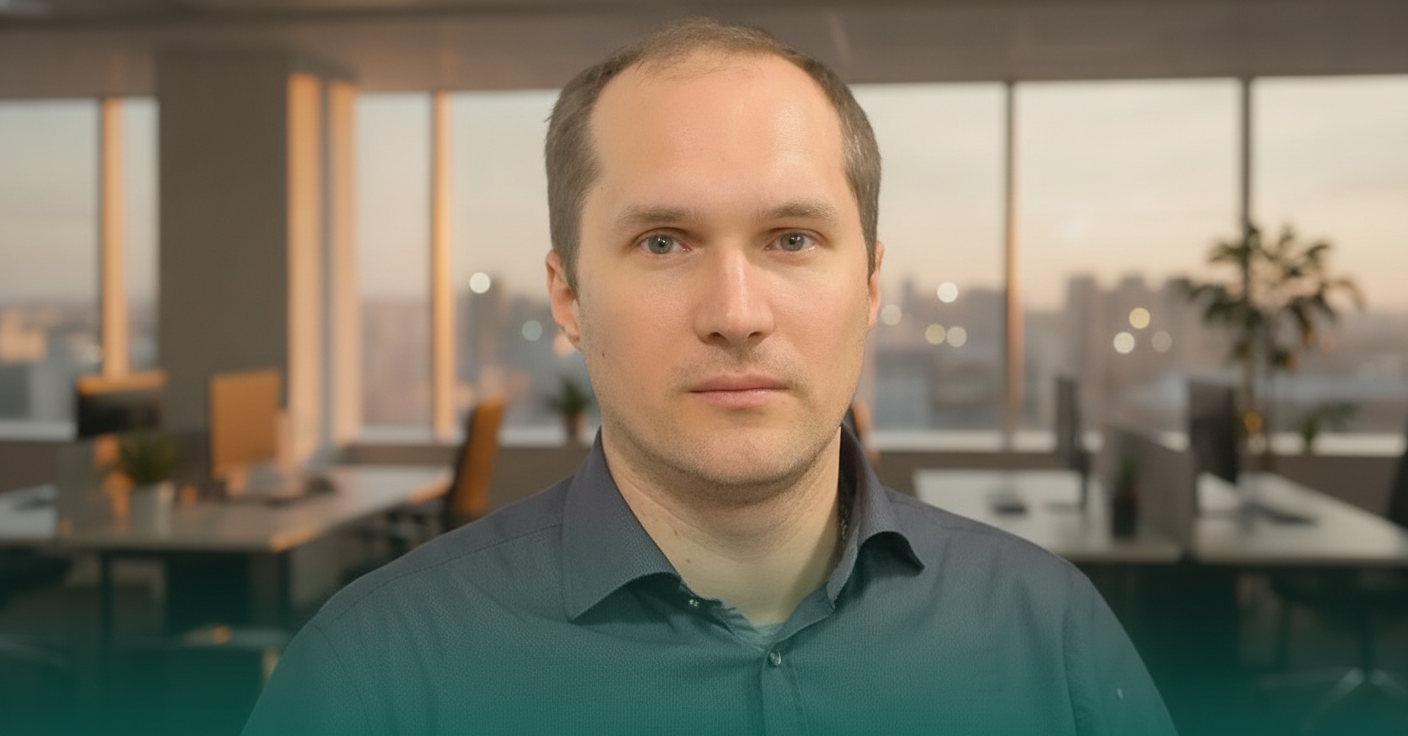
People's Deputy Serhiy Rakhmanin believes that negotiations will not be successful as long as Russia feels its strength on the battlefield. He named three key conditions for a real chance at peace:

  1. Ensuring more systematic military and financial support from Europe.

  2. Stabilizing the front (Stopping the Russian advance).

  3. The onset of serious economic problems within Russia.

"If these three factors come together, then everything could work out, even with Trump's position. But if even one of them does not go in our favor, it will be extremely difficult," Rakhmanin summarized.

We recall that one of the British experts believes that Trump's peace plan was less advantageous for Russia than for Ukraine and that the Kremlin's nuclear blackmail no longer frightens the West.


Read also

Advertising