








Advertising


Advertising


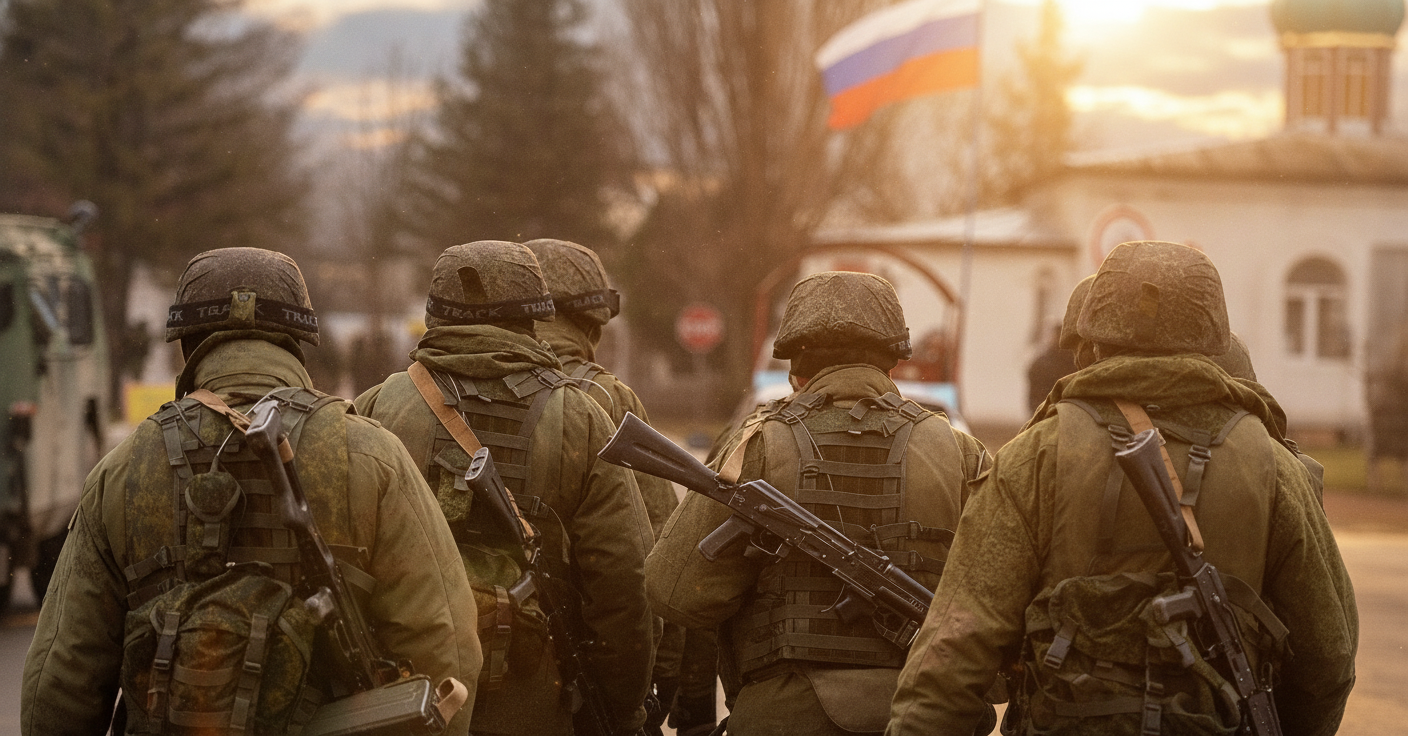
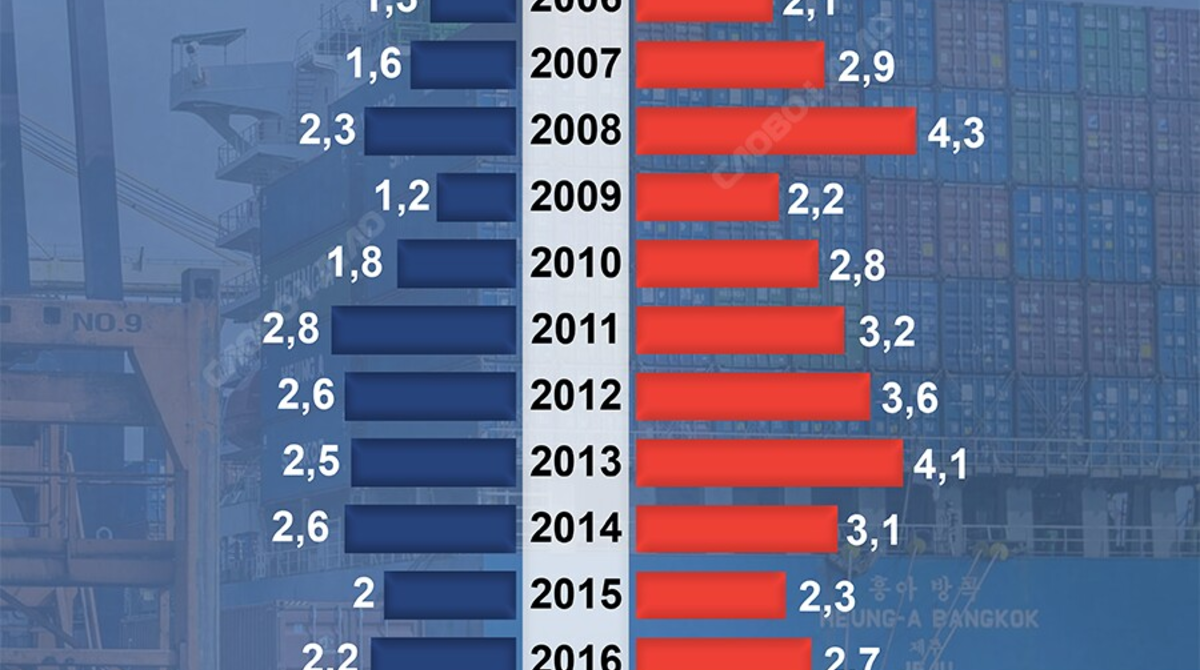

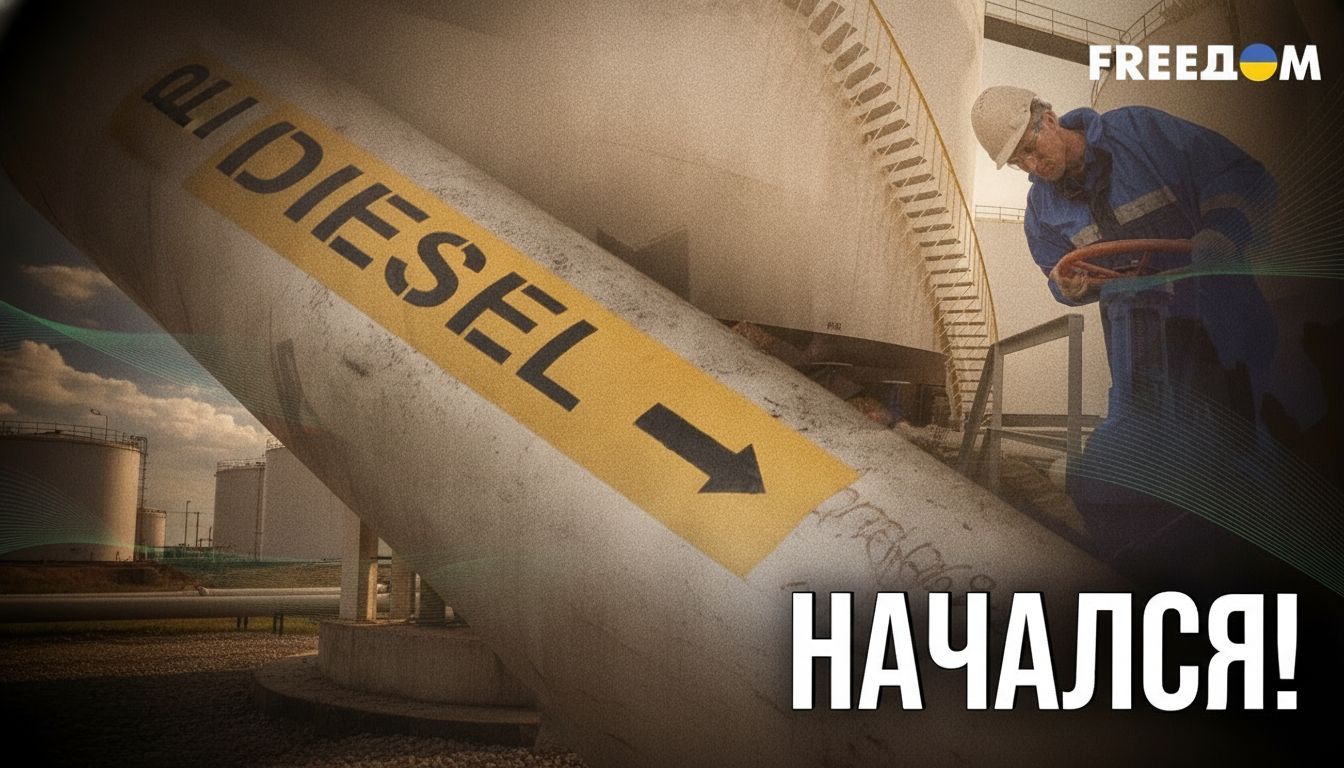
Facing Diesel Shortages, Russia Bans Exports and Turns to Imports for the First Time
Russia Imposes Full Ban on Diesel Exports Starting July 8, 2023, Russia enacted a complete ban on diesel exports. This move comes amid an escalating conflict with Ukraine, where Ukrainian defense forces have struck key strategic sites inside Russia. The attacks targeted the country's largest oil ref...
today, 00:36
433

UDP Leadership Accused of Asset Theft: Losses Hit $7 Million
yesterday, 20:36
458
Horoscope
LIFESTYLE
Tourism






Tech



NVIDIA to Skip RTX 60 in 2027, Launching RTX 50 Super Instead
yesterday, 19:48
518
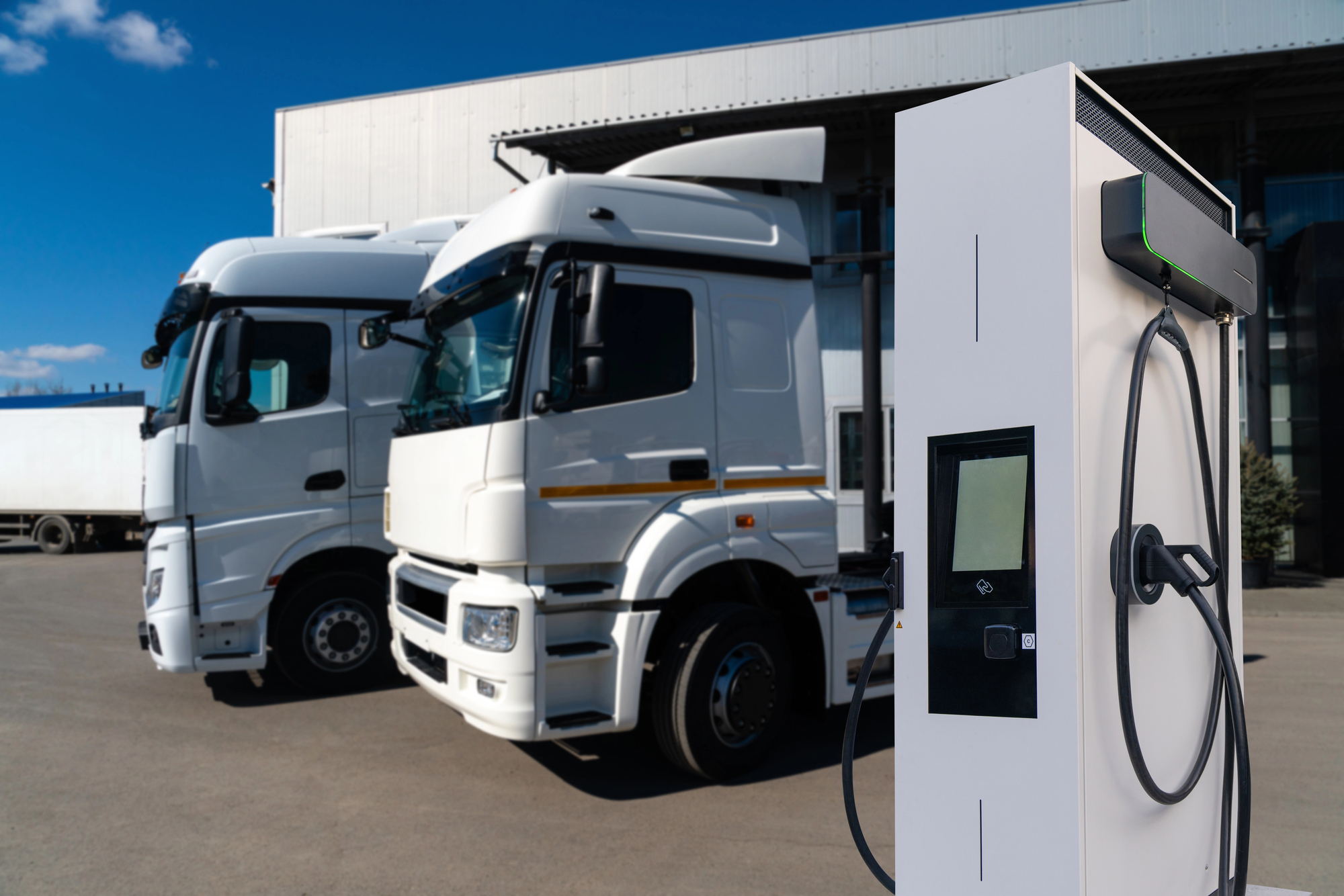
CATL unveils electric truck battery that charges in just 7 minutes
yesterday, 15:54
450
Society


Showbiz

Best Movies About Hitmen: Top Engaging Crime Thrillers
today, 17:00
82



Sports




Olympic Champion Beleniuk Fires Sharp Criticism at IOC Over Russian Athlete Decision
yesterday, 23:12
463
Belgian Prime Minister Announces Football Victory Over the US During NATO Summit
yesterday, 23:06
446
Russian athletes cleared to compete again as FIVB lifts ban on volleyball teams
yesterday, 22:36
491
Marta Kostyuk Reaches Wimbledon Semifinals for the First Time: Match Score Revealed
yesterday, 18:48
460