









Advertising



Advertising






As Russian Stocks Crash by Double Digits, the Wealthy Pivot to Crypto and Overseas Real Estate
Ukrainian Intelligence Reports Shift in Russian Business InvestmentsOn July 27, 2023, Ukraine's Foreign Intelligence Service revealed that Russian businessmen are overhauling their investment portfolios. Confronted with a steep drop in shares of leading domestic companies, these investors are offloa...
yesterday, 22:42
285

Trump Says Talks Possible as Oil Prices Crash After US and Iran Halt Attacks
yesterday, 21:30
299

Horoscope
LIFESTYLE
Tourism






Tech


Proactive player safety: How AI is reshaping responsible gambling in iGaming
yesterday, 19:54
325
By Mid-2027, Ukraine Aims to Complete Its Freyja Missile Defense System: Key Details
yesterday, 18:37
335


Society


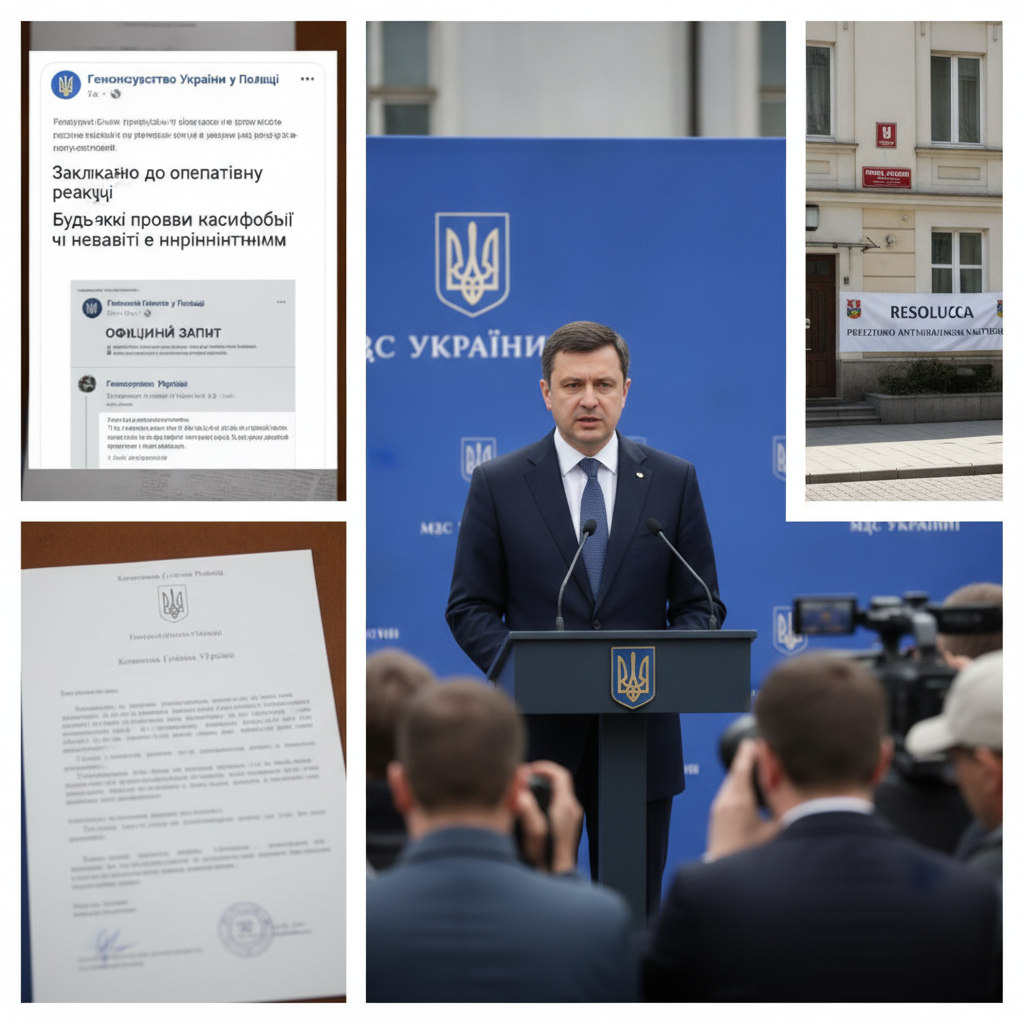
Two Arrested in Wrocław for Brutal Attack on Ukrainians: What Sparked the Clash
yesterday, 23:31
230

American Blogger Laura Loomer Admits She Fell for Russian Disinformation
yesterday, 19:30
356
Ukrainians Face Rising Attacks in Poland; Consulate Urges Authorities to Act
yesterday, 14:42
386
Showbiz




Sports