











Blackouts worsen the vision of millions of Ukrainians: how to avoid danger.

Blackouts worsen the vision of millions of Ukrainians: how to avoid danger

According to ТСН: Power outages caused by enemy attacks severely affect the eyesight of Ukrainians. Prolonged periods without light force people to work and read in dim light, causing excessive strain on the visual system. Ophthalmologists are recording an increase in the number of consultations from patients of various ages.

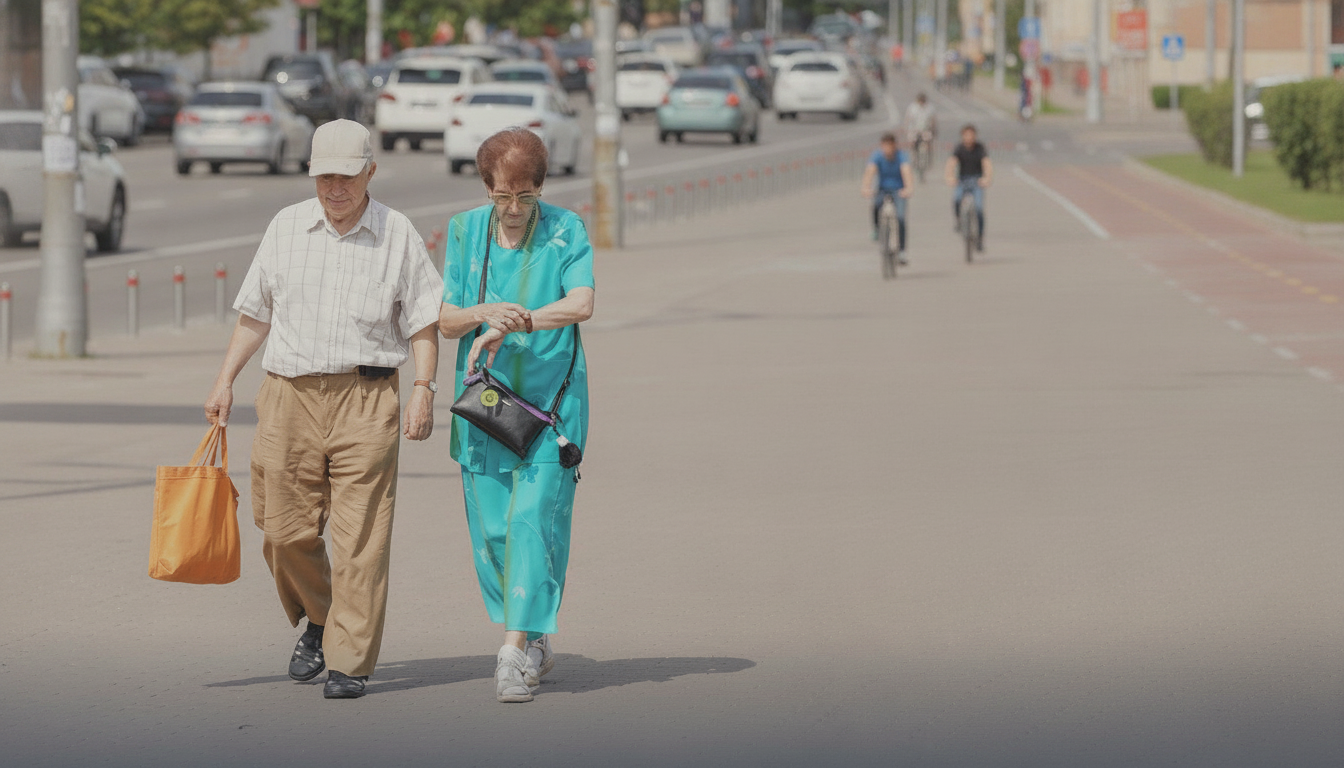
The main danger for the elderly

Nadia Mykhailivna, who 'loves to read a lot, solve puzzles, and do small work', shares that the constant desire to 'finish reading' during a short daylight leads to severe fatigue.

'On gloomy days, there is no light, when they are off for a long time… seven-six hours, and the daylight is short, and you want to finish reading, and by then - your eyes are watery,' she shares, adding: - 'I hope not to go blind.'

The feeling when 'everything is swimming before your eyes' has become more frequent.

The ophthalmologist who conducted the examination confirmed that, in addition to age-related changes and cataracts, there is a worrying symptom - increased intraocular pressure, which is directly related to eye strain in the dark.

'When our pupil is dilated - this is what you love to read in the dark, - pressure increases. This condition is not just dangerous, it threatens blindness,' warns the doctor.

Doctors recommend: 'Do not read, do not work in the dark. Now during blackouts, when it is dark - we do not work up close.'

Problems of the younger generation and the 'sand' syndrome

The young generation's excessive strain on the visual apparatus leads to premature aging of the eyes and deterioration of vision.

Among the symptoms of vision deterioration are:

  • headache

  • the feeling of 'sand' in the eyes

  • inability to focus

29-year-old Maria complains of severe fatigue, especially in the last month:

'There is a feeling that something is interfering, clarity has decreased, it makes it difficult for me to read, write.'
At the same time, she spends 'on average 8 hours' at the computer.

The '20–20–20' rule and autonomous lighting

The doctor gives several pieces of advice for Maria and others who spend a lot of time at the computer, especially during outages:

  1. Autonomous lighting: even during power outages, use autonomous lamps, so that the room is illuminated not only by the computer screen. This helps the eyes not to strain so much.

  2. Breaks: take breaks according to the 20–20–20 rule, that is, every 20 minutes take a 20-second break and look at something 20 meters away. Grab tea and go look out the window.

  3. Moisturizing: regularly use moisturizing drops.

  4. Routine: do not use your phone two hours before bed, especially 'when lying down'.

The ophthalmologist concludes:

'No matter how important the work is, health is still more important.'

To preserve vision in constant darkness, it is important to monitor blood sugar levels, track vitamin deficiencies, and regularly check visual acuity in adults and children.

The necessity to follow simple rules can significantly improve the condition of eyesight for both the elderly and the younger generation. In conditions where the light often disappears, it is important to find ways to adapt and maintain one's health in proper condition. Regular check-ups with a doctor will also help to identify potential problems at early stages.


Read also

Advertising