








U.S. Announces Military Escort and Insurance for Tankers in the Persian Gulf.
Securing Maritime Traffic in the Persian Gulf
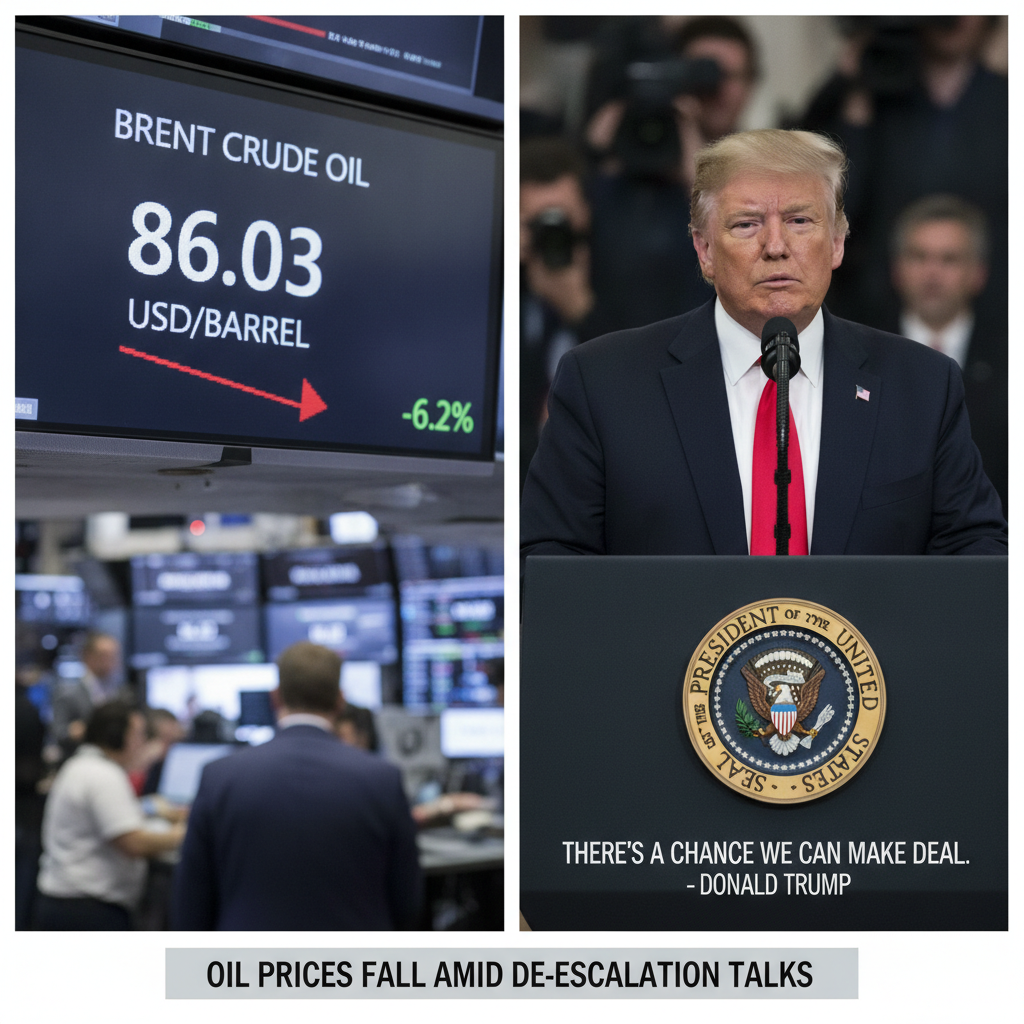
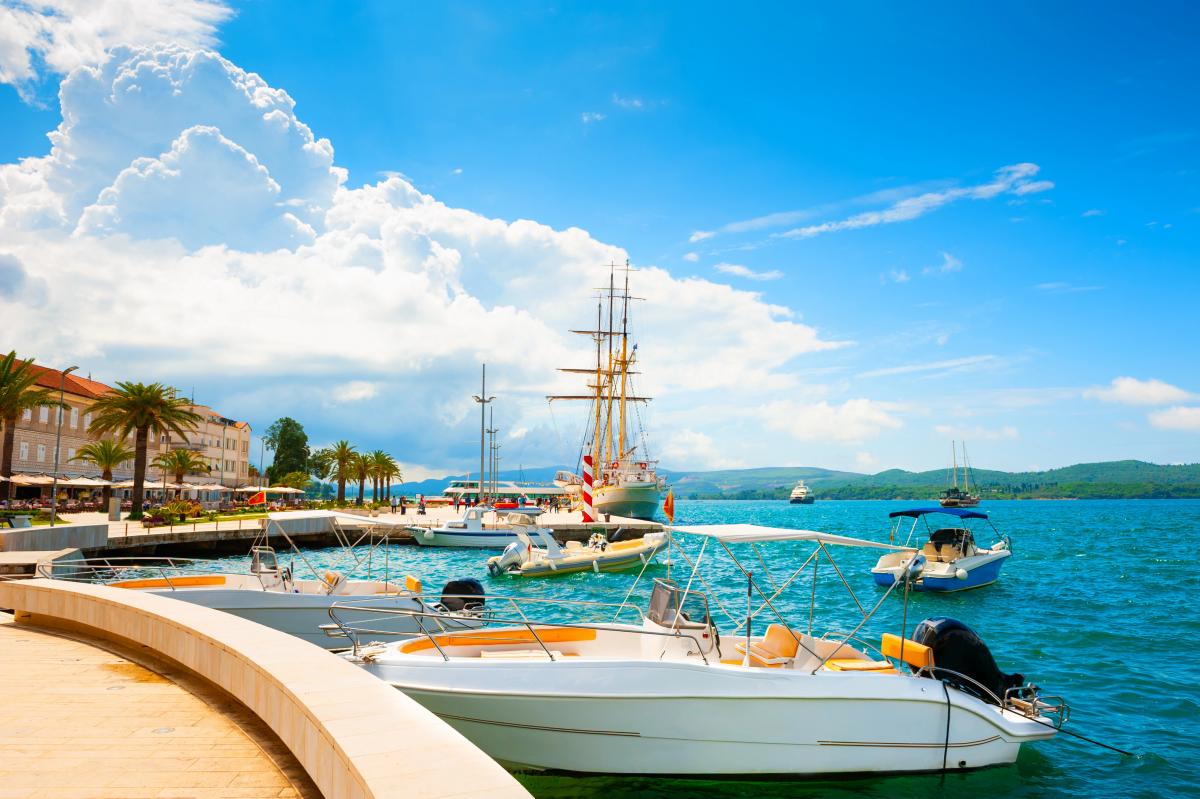
According to TSN.ua: The United States has announced a new initiative to protect commercial shipping in the Persian Gulf, offering insurance to vessels and providing military escorts for tankers transiting the Strait of Hormuz. U.S. President Donald Trump stated the move aims to ensure the free flow of energy to global markets.
“I have directed the U.S. International Development Finance Corporation (DFC) to provide political risk insurance and financial security guarantees for all maritime shipping, especially energy carriers, at a very reasonable cost,” Trump emphasized.
Context and Implications
This financial and military protection plan is a significant step amid rising regional tensions. The U.S. International Development Finance Corporation (DFC) has been tasked with providing insurance and financial security guarantees for maritime shipments, with a focus on energy transport. The measure is a direct response to recent military actions, including Iran's missile strikes against Israel on February 28, as well as other attacks such as an Iranian 'Shahed' drone strike on a Sharjah commercial center on March 1 and a suspected strike on Saudi Arabian oil infrastructure on March 2.
The U.S.-led maritime security effort concerns not only energy shipments but also global energy security. The Strait of Hormuz is a critical chokepoint for roughly one-fifth of the world's oil supply. Trump has predicted another 4-5 weeks of active fighting involving Iran, underscoring the seriousness of the regional situation. However, Britain, Germany, and Spain will not participate in the U.S. and Israeli military operation, highlighting diverging international positions on the Middle East crisis.
Consequently, the protection of shipping in the Persian Gulf represents a crucial move to maintain regional stability and secure global energy supplies. The situation remains tense, and further U.S. actions could impact global energy markets and international relations. The lack of support from key European allies may complicate coordinated responses to security threats in the region.
Read also
- Trump Predicts Iran Deal Within Two Weeks: What We Know About the Talks
- Jerusalem Patriarch to Mediate Ukraine-Russia Talks: Key Negotiation Details Emerge
- 2026 World Cup Participants Denied Entry to the U.S.: Visa Rejection Hits Referee
- Iran Signals Readiness for Both Talks and Warfare in Response to U.S. Blockade
- Closed-Door Talks Between Zelensky and Trump’s Inner Circle: What We Know
- Trump's Iran Policy Has Painted Him Into a Corner: What’s Happening Now