









Advertising

Eight New Crimean-Themed Stamps Released by Ukrposhta: What They Depict
yesterday, 23:42
108


Trump Signals Readiness to Pressure Russia: Is an End to the War Possible?
yesterday, 23:30
134
Advertising

NATO Summit Set to Decide on Ukraine's Air Defense Missile Talks
yesterday, 23:24
147

US Support for NATO Hits Record Low, New Survey Reveals
yesterday, 23:12
165
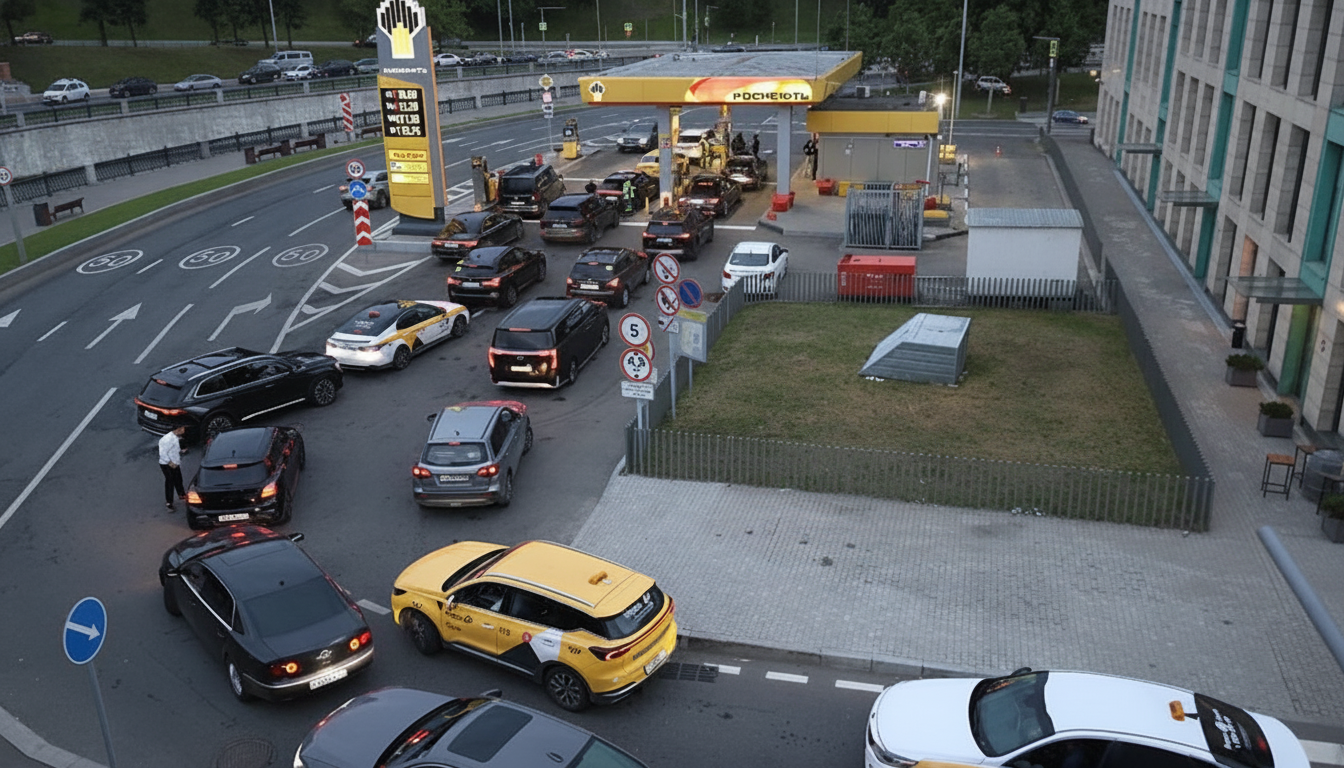

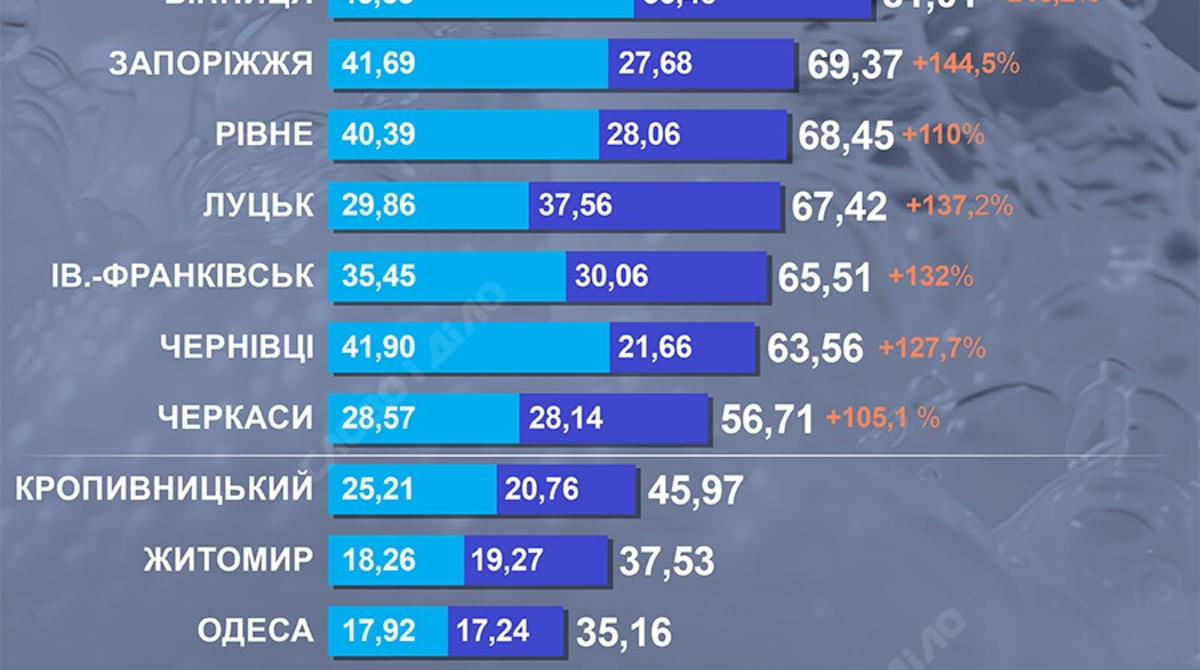
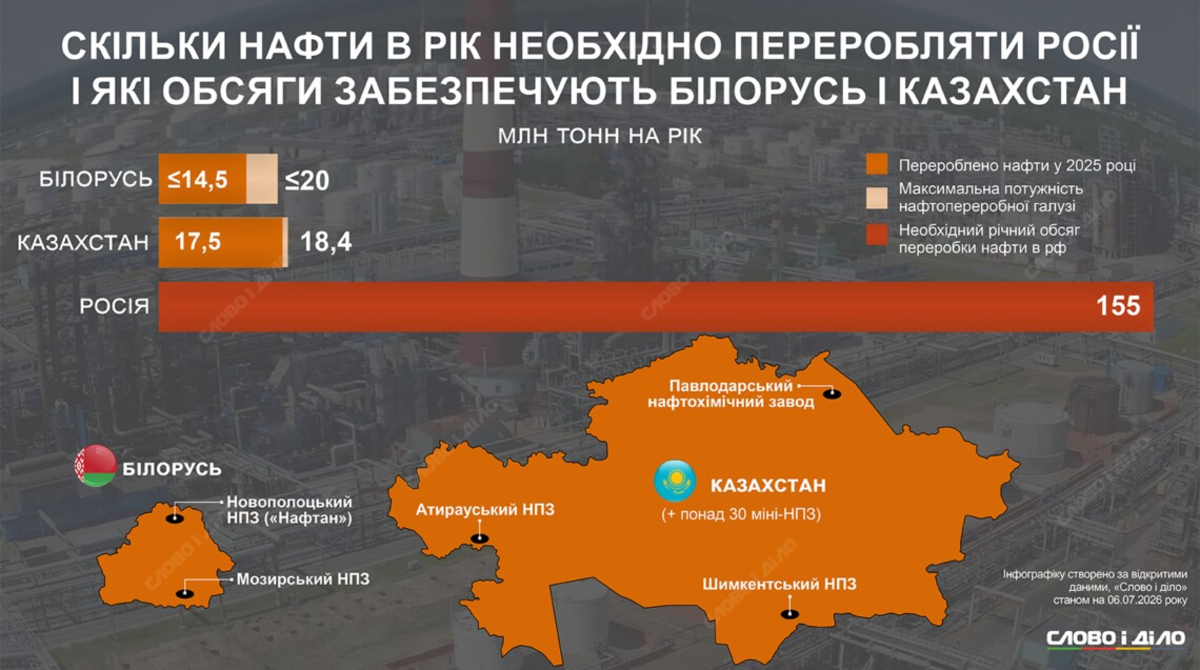
Up to 43% of Russia’s Oil Refining Capacity Lost as Ukrainian Strikes Trigger Fuel Shortages
Fuel Crisis Deepens in Russia Russia is facing a worsening fuel deficit, driven by Ukrainian attacks on its oil refining infrastructure. These strikes have destroyed or disabled between 25% and 43% of the country’s refining capacity. During the summer months, domestic fuel consumption averages aroun...
today, 20:00
328
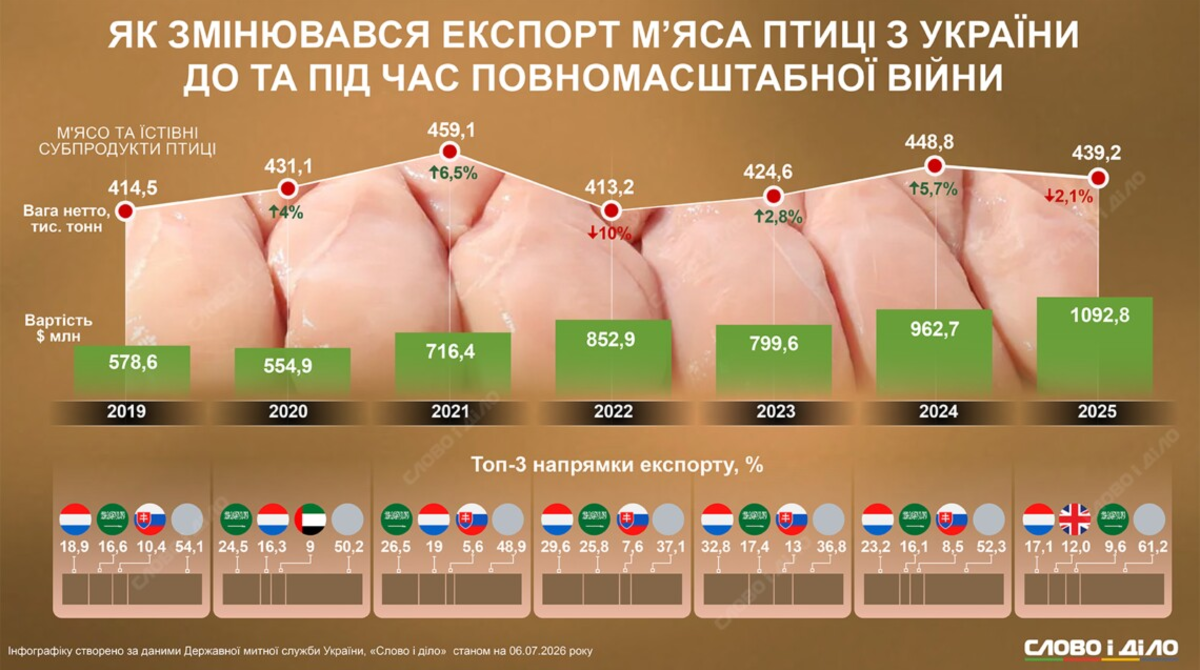
Ukrainian Poultry Exports Surpass $1 Billion for the First Time
today, 19:01
324
Horoscope
LIFESTYLE
Tourism









Tech

Society


Showbiz




Osadcha and Horbunov’s Son Stunned by a Question About His Father’s On-Screen Kiss
yesterday, 22:48
198
Khrystyna Soloviy Reveals the Price of Her Most Expensive Jacket
yesterday, 21:00
267
Elena Mozgova’s Eldest Daughter Returns to Kyiv After a 46-Hour Journey
yesterday, 20:54
286
Sports




World Cup Round of 16: Spain and Portugal Set to Clash, USA to Host Belgium
yesterday, 12:06
406
Brazil Eliminated from 2026 World Cup by Norway, Neymar Receives Family Support
yesterday, 11:00
435
Europe’s Smallest Airport: Just 3 Flights a Day and a $12 Million Price Tag
yesterday, 23:54
46
Virtual Reality Tour Set to Launch in the Verkhovyna Region
yesterday, 20:36
293
Odessa Reopens 35 of Its 48 Beaches Following Safety Incidents
yesterday, 18:00
336
Wizz Air Updates Check-In Rules: Key Details Travelers Need Before Departure
yesterday, 15:06
354