Fuel Crisis in Russia: 57 Regions Facing Gasoline Shortage Due to Drone Strikes.

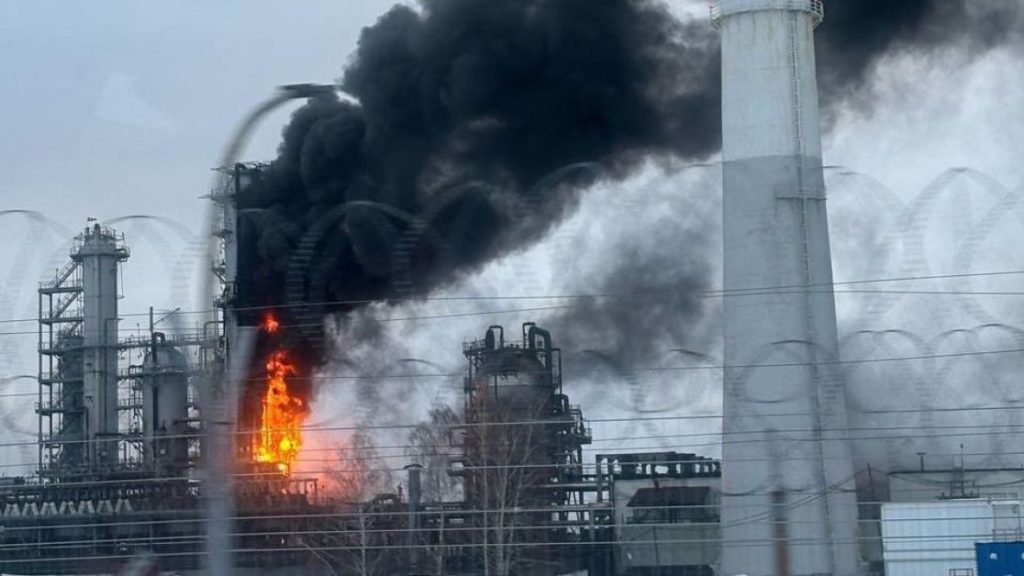
According to inkorr.com: As a result of massive attacks by Ukrainian drones on oil refineries, at least 57 Russian regions are facing a fuel crisis. This is already more than half of the country, where the gasoline shortage has negatively affected transportation, supply of goods, and led to price increases. This was reported by RBK-Ukraine.
Most Affected Regions in Russia Due to the Fuel Crisis
Primarily, the eastern regions have suffered, such as Transbaikalia, Primorye, and the Sakhalin region. Here, gasoline is issued by coupons. The situation is particularly critical in occupied Crimea, where no more than 20 liters of fuel are provided per vehicle. Even in central areas of Russia, where traditionally stable supplies occur, disruptions have begun. Remote areas suffer from interruptions in the supply of food products and other essential goods due to fuel shortages.
The main reason for the deficit is systematic . Since the beginning of October, at least four refineries have been attacked, in September - eight, and in August - fourteen. From January 2025, Ukrainian forces have struck 21 of the 38 largest Russian oil refining enterprises, and many of them have been attacked multiple times.
Losses of Russian Refining Capacities from Ukrainian Drone Attacks
According to media reports, about 10% of , and some enterprises have completely stopped working. Due to the deficit, Moscow has been forced to ban fuel exports.
President Volodymyr Zelenskyy called the attacks on oil refineries 'the most effective sanctions':
‘Significantly limited the Russian oil sector – and this significantly limits the war’.
The Russian authorities continue to assure that 'there is no deficit', blaming the situation on 'logistical problems' and 'seasonal difficulties'. However, Rosstat admitted that since the beginning of the year gasoline prices have increased by 10%.
The Kremlin is trying to resolve the crisis through Belarus, increasing fuel imports fourfold. Additionally, Moscow is negotiating with China regarding the supply of gasoline without tariffs. Experts believe that the duration of the fuel crisis will depend on the intensity of Ukrainian attacks.
The fuel situation in Russia continues to remain difficult, and the decline in refining capacities could significantly impact the country's economy. Given the intensification of Ukrainian forces in this area, the Kremlin will be forced to search for new ways to overcome the consequences of the crisis.
Read also
- Zelensky and Top Military Command Outline Response Plan to Russian Strikes
- EU Adopts 21st Sanctions Package Against Russia: What the New Restrictions Target
- Deadly Strikes Hit Kyiv Region and Sloviansk: 11 Killed, Dozens Wounded
- Ukrainian Forces Strike Kirov’s Avitek Plant: Key Military Components Under Sanctions
- A Vatican Meeting Shifted Zelenskyy’s Relationship With Trump: What Happened at St. Peter’s Basilica
- Zelensky Warns of Black Sea Grain Corridor Blockade as Ukraine Calls UN Security Council Meeting