








How the War in Iran Benefits Putin: Why Ukraine Peace Talks Are Stalled.
Putin Gains an Edge from the Iran Conflict: Latest Developments
According to TSN.ua: The ongoing war in Iran has dramatically shifted global priorities, pushing Ukraine peace negotiations down the U.S. agenda. This shift presents a strategic opportunity for Russian President Vladimir Putin, who is now expected to launch fresh offensives to expand his territorial gains in Ukraine. The turmoil in the Middle East is also proving financially lucrative for Russia, boosting the Kremlin’s war chest and overall economic leverage.
The Trump administration is grappling with heightened tensions in Iran, which have depleted American air defense missile stockpiles. This strain directly impacts Ukraine, where the front line stretches over 1,200 kilometers. With U.S.-mediated peace talks currently frozen, Putin has a window to execute new military campaigns against Ukraine, escalating pressure on Kyiv even further.
As The Independent reports, 'with U.S.-brokered peace talks over Ukraine suspended due to the Middle East war, Russian President Vladimir Putin is expected to try to expand his military gains through new offensive operations against his southern neighbor, potentially increasing the strain on Kyiv.'
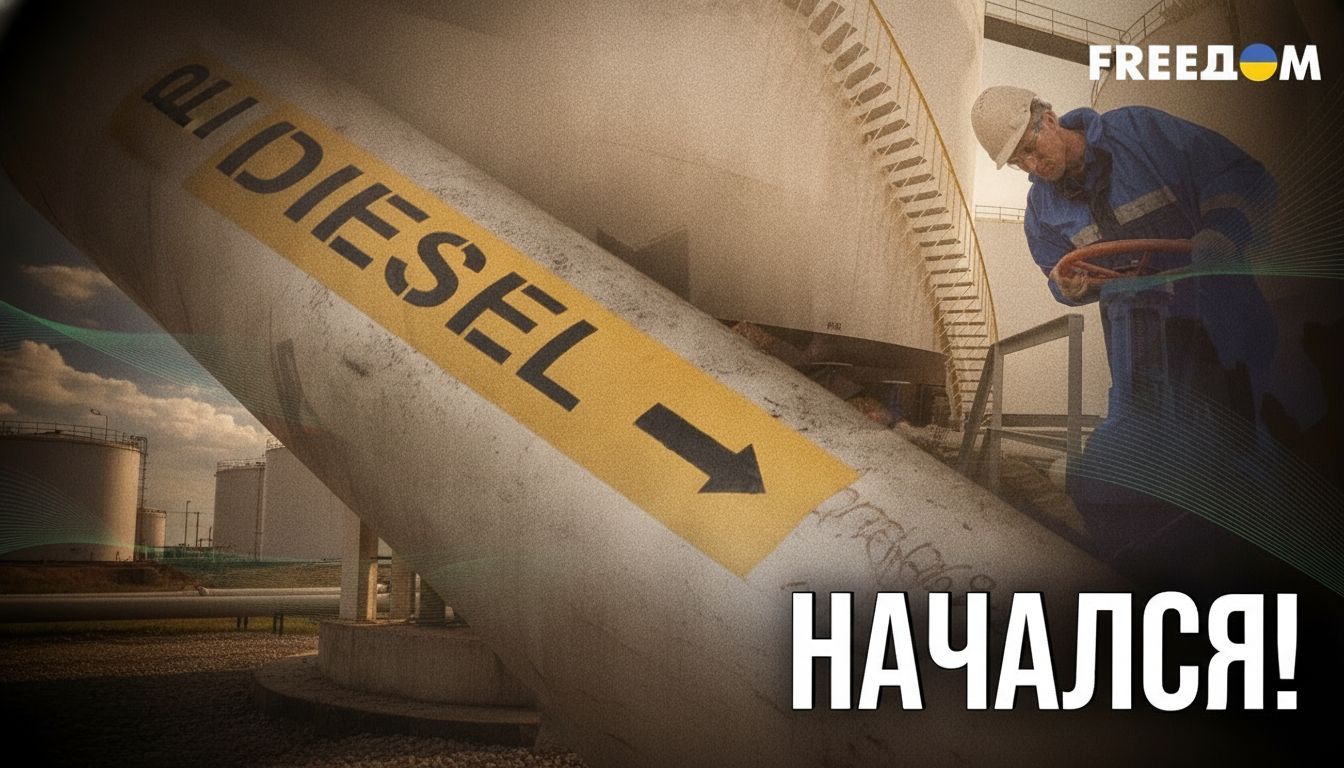
Moreover, the Iran conflict is generating extra revenue for Russia. Moscow is earning up to $150 million daily from taxes on oil sales. Forecasts suggest that by the end of March, Russia could accumulate between $3.3 billion and $4.9 billion. These financial resources are likely to fund further military actions and support the Kremlin’s ambitions in Ukraine.
The Ripple Effect of the Iran War on Ukraine’s Situation
Given the evolving situation in Iran, it’s clear that this conflict will heavily influence Russia’s next moves in Ukraine. The Middle Eastern war not only diverts U.S. attention away from European crises but also provides Moscow with enhanced military and financial capabilities.
This dynamic risks escalating the conflict in Ukraine, as Russia now has greater resources to sustain its war effort. Support from Iran, combined with oil revenue, could become key drivers of expanded Russian aggression. Meanwhile, the U.S., focused on the Middle East, may struggle to respond quickly to new challenges in Europe, raising further risks for regional stability.
Read also
- Putin Rejects Zelenskyy’s Call for a Face-to-Face Meeting
- ISW Debunks Putin’s Claims of Russian Military Gains: The Real Frontline Picture
- Trump Says Zelensky and Putin Must Resolve the War on Their Own
- Putin's Rejection of Talks Is a Strategic Blunder for Russia, Says Ukraine's Foreign Minister
- Armenia’s Final Pivot West: What Drove Pashinyan’s Decision
- Putin Acknowledges Zelenskyy's Legitimacy for the First Time: How Drones and a Letter Shifted Russian Sentiment