







Advertising






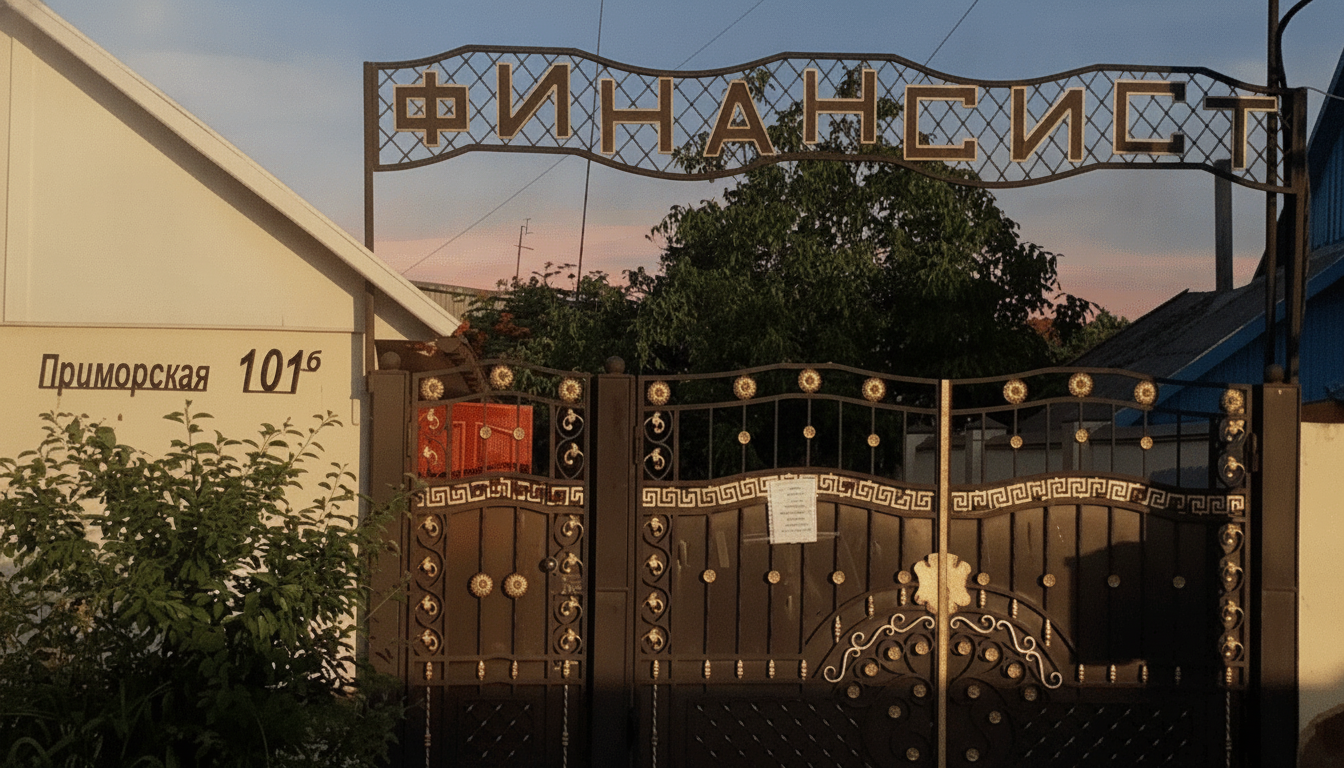
Recreation Center 'Finansist' in Odesa Region Listed for Auction with a Starting Price of 1.7 Million Hryvnias
Privatization of the 'Finansist' Recreation Center A state-owned holiday base called 'Finansist', located in Zatoka within the Odesa region, has been put up for a privatization auction. The government aims to generate 1.756 million hryvnias from the sale of this property. The auction is scheduled fo...
today, 12:24
313


Horoscope
LIFESTYLE



Tourism




Kyiv Weather on July 5: Showers and a High of 26°C Expected
today, 00:12
405
White Coating on Plums: Should You Be Concerned and When It Signals Danger
yesterday, 20:30
388
Summer Nail Trends 2023: Top Styles for Short Nails
yesterday, 19:36
403
Tech


Soldiers Trained to Counter Surveillance via Smartwatches and Apps
today, 07:06
348
Up to 95% Off: Top Deals in the Steam Summer Sale 2026
today, 04:00
384
Society



Showbiz


The Best Ukrainian Movies of Recent Years: Modern Cinema of Ukraine
yesterday, 18:50
411

Must-Watch Detective Thrillers: Maigret, The Jenny Pen Rule, and The Pale Blue Eye
yesterday, 13:48
466
Sports




Why Summer Flights Get Delayed: A Flight Attendant Breaks Down the Chain of Issues
yesterday, 08:30
415