Over 200,000 Ukrainian Troops Absent Without Leave: Penalties, Risks, and the Path to Return.

The Scale of Unauthorized Military Absences in Ukraine
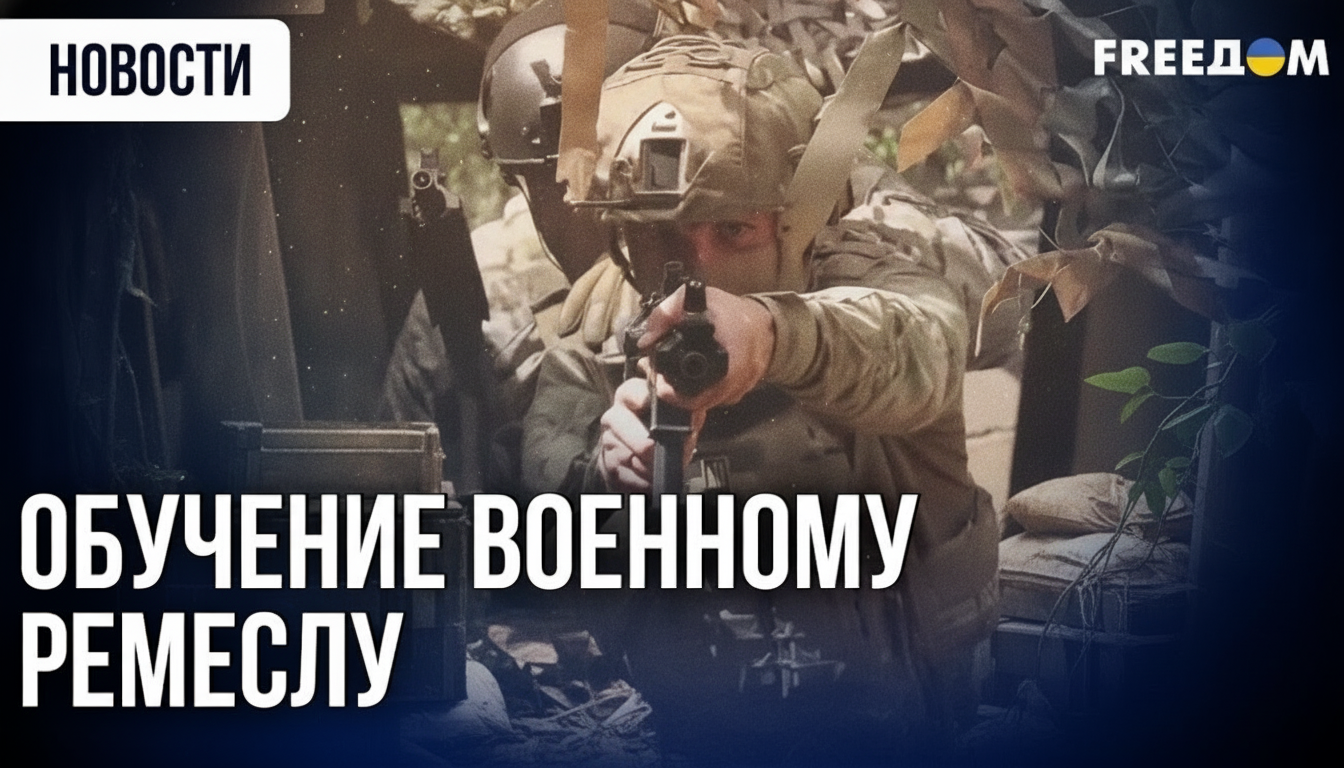
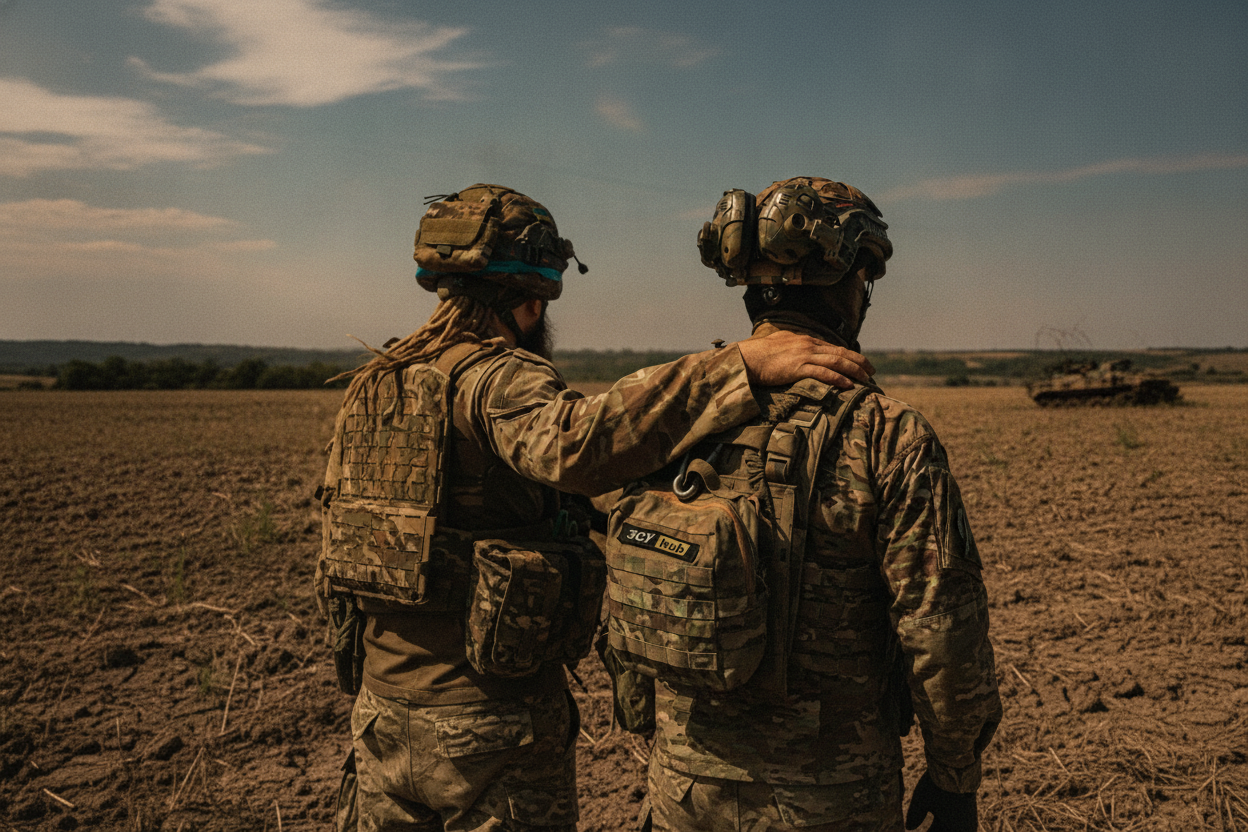
According to Espreso.tv: As of June 2023, Ukraine's Defense Minister Mykhailo Fedorov reported a troubling statistic: more than 200,000 service members have left their units without authorization. This has sparked widespread debate over the root causes, legal repercussions, and the critical distinction between going absent without leave (AWOL) and desertion. Understanding this issue is essential for grasping the broader challenges facing Ukraine's military amid the ongoing war.
The reasons behind these absences vary. According to Oleksandr Molody, most personnel abandon their posts while being transferred to training centers or from their permanent duty stations. Meanwhile, soldier Serhii Hniezdilov justified his own departure, stating:
“My action was deliberate. I went AWOL to draw attention to the lack of defined service terms.”This highlights that some troops use unauthorized leave not just to evade duty, but to raise pressing social concerns.
Legal Consequences
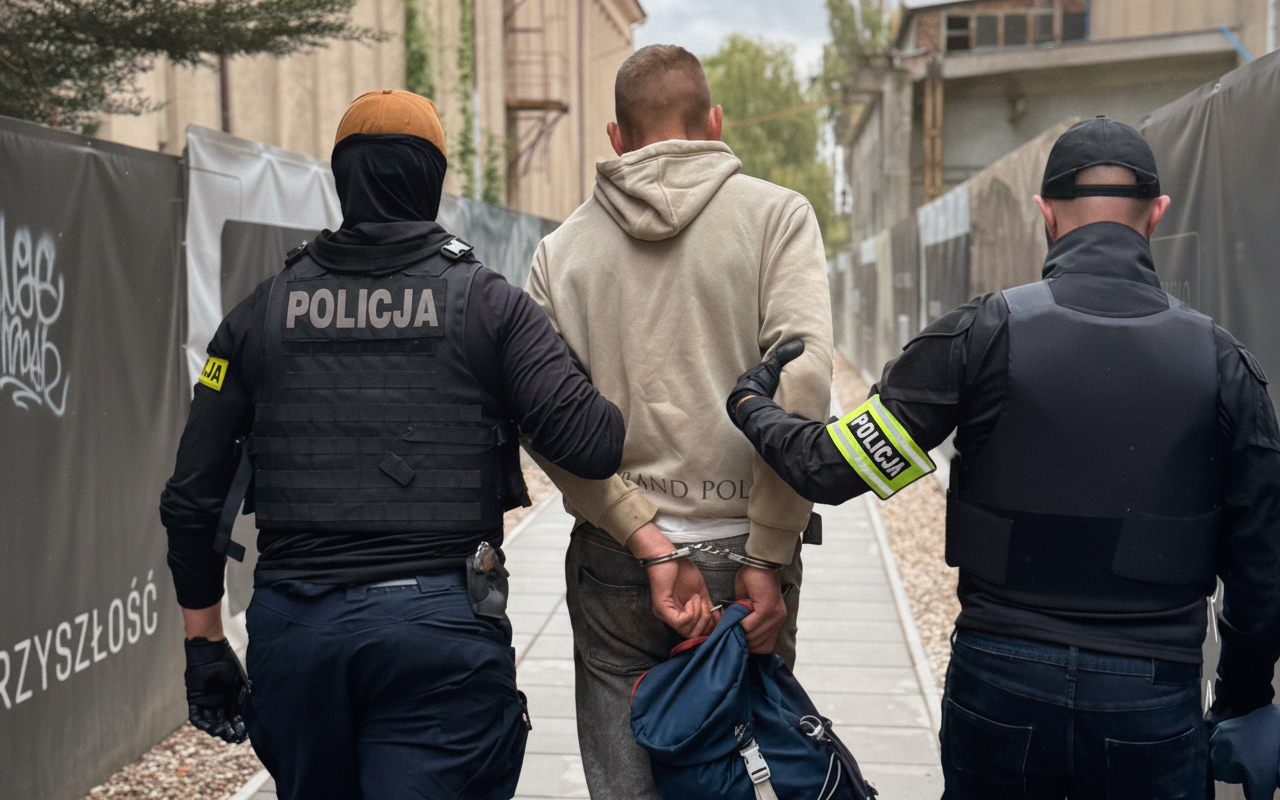
The legal penalties for AWOL and desertion are clearly outlined in Ukraine's Criminal Code. Under Article 407, criminal liability for unauthorized absence begins after three days. If this occurs during martial law, the punishment ranges from 5 to 10 years in prison. Desertion, governed by Article 408, carries a harsher sentence of 8 to 12 years behind bars.
In practice, however, service members are often not prosecuted if their absence lasts up to 10 days, as noted by expert Oleh Mytsyk.
Currently, around 200,000 individuals in Ukraine are classified as AWOL. The State Bureau of Investigation (SBI) can only process about 7,500 cases annually, reflecting a significant backlog in law enforcement. It is crucial to note that an unauthorized absence must be officially recorded by June 12, and a report must be submitted by September 20.
In summary, the problem of unauthorized military absences in Ukraine is complex, requiring a comprehensive approach. While social factors sometimes drive this phenomenon, the legal risks for those evading service remain severe.
This issue underscores the strained state of both society and the military during wartime. Reforming the military service system and enhancing social support for troops could be key to reducing AWOL incidents. Given the high number of cases and limited law enforcement resources, effective solutions are urgently needed to curb this trend.
Read also
- A New Maidan in Ukraine: Why Protests Signal the Political Rise of a New Generation
- General Mykhailo Drapatyi, 43, Appointed as Ukraine's Commander-in-Chief: What We Know
- Drapatyi Replaces Fedorov After Defense Ministry Clash: What We Know
- Syrsky vs Fedorov: What We Know About the Conflict Between Ukraine’s New Commander-in-Chief and the Former Minister
- A War-Time First: Defense Minister Fedorov Resigns
- Blame for Mobilization Failures and Deaths at Recruitment Centers: Lubinets and Fedorov Point Fingers