











Gas Prices Surge 50% Following US-Israeli Strikes in Iran That Killed 48 Leaders.

Gas Prices Surge 50% Following US-Israeli Strikes in Iran That Killed 48 Leaders

War Erupts in the Middle East

According to TSN.ua: Military conflict has erupted in the Middle East following a series of strikes by the United States and Israel against Iran, which commenced on February 28. The operation, codenamed 'Epic Fury,' resulted in the deaths of 48 Iranian leaders, including Ayatollah Ali Khamenei. In retaliation, Iran launched 541 unmanned aerial vehicles and 165 ballistic missiles at the United Arab Emirates (UAE) and struck American military bases in Kuwait, Qatar, and Bahrain. This region is a critical global energy hub, making such escalations a direct threat to international markets.

Economic Fallout from the Conflict

By March 2, European gas prices had skyrocketed by 50%. Concurrently, the price of Brent crude oil rose by 10%, reaching nearly $80 per barrel. These price spikes are a direct consequence of the heightened regional tensions and military actions, signaling immediate economic repercussions.

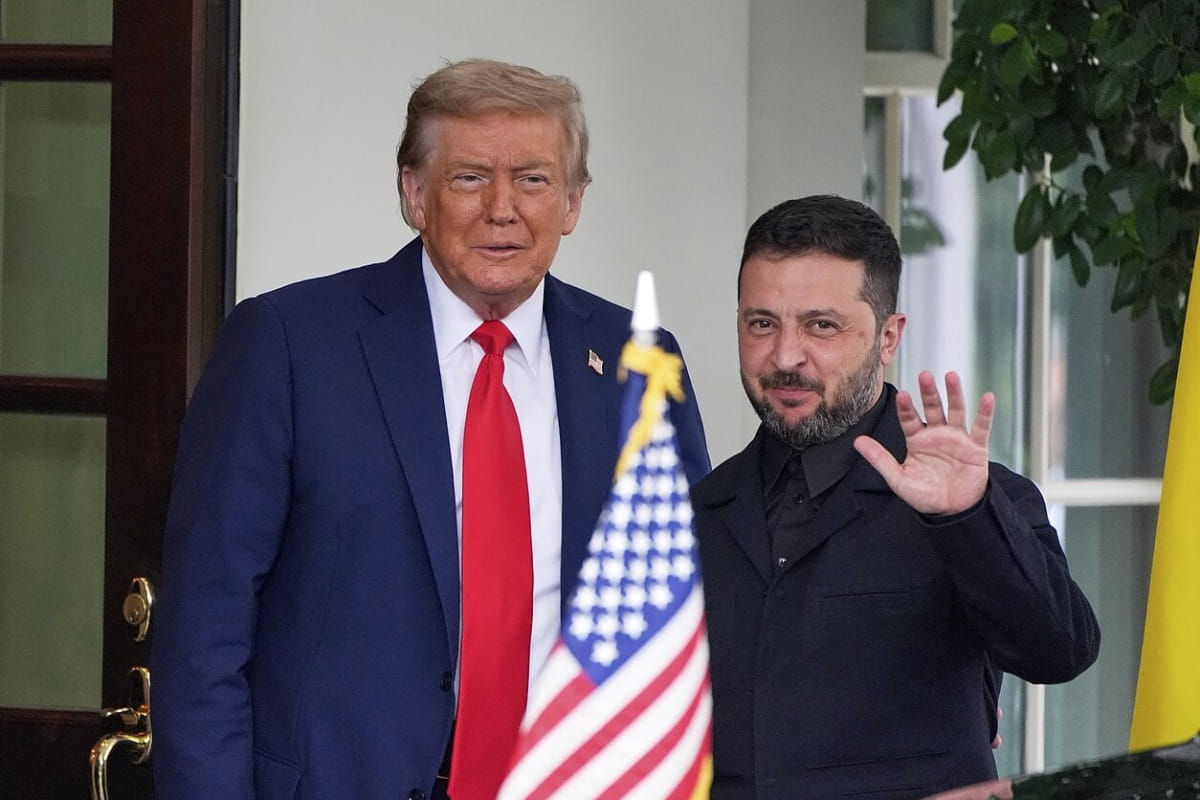
Commenting on the situation, Donald Trump stated that 'Operation Epic Fury was the only way to deal with the Iranian regime.'

He also noted that 'Iran's new leader wants negotiations.' These remarks highlight the diplomatic context surrounding the events and suggest a potential shift in approach toward Iran.

According to available data, the Iranian attacks impacted several nations, specifically the UAE, Kuwait, Qatar, and Bahrain. Key developments in this conflict include:

  • The elimination of Iranian leadership figures;
  • The launch of drones and ballistic missiles;
  • Sharp increases in gas and oil prices.

The ongoing war in the Middle East continues to cause alarm within the international community as the situation remains volatile. This conflict carries severe implications not only for the nations directly involved but also for the global economy, where rising energy costs could fuel inflation and hinder economic growth worldwide. Furthermore, a further escalation of hostilities risks triggering new humanitarian crises and necessitating international intervention. The world is closely monitoring developments, seeking pathways to de-escalate the conflict and restore stability to the region.


Read also

Advertising