









Kyiv's Power Generation Halved Following January Missile Strike.
Missile Attack on Kyiv, January 13
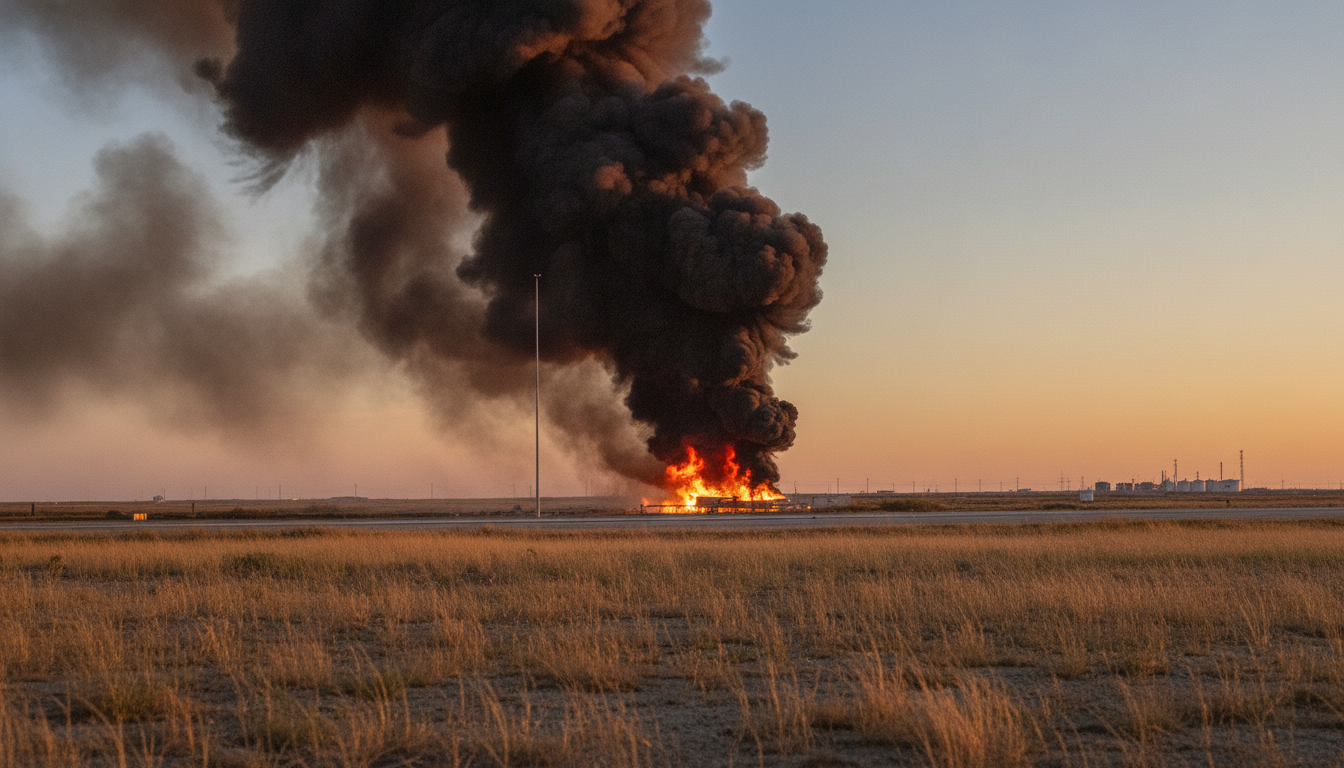
According to TSN.ua: A major missile assault on Kyiv on January 13 caused severe damage to the capital's electricity generation capacity. The city's combined heat and power plants (CHPPs), which previously supplied up to 50% of Kyiv's electricity needs, have been rendered inoperable. This destruction resulted from ballistic missiles launched against the capital that day.
It is known that 16 ballistic missiles were fired at the capital on January 13, 2023. According to the head of communications for the Air Force Command, only two of those missiles were confirmed to have struck within Kyiv. However, even these limited impacts had severe consequences for the city's energy infrastructure. The damage to Kyiv's CHPPs means they can no longer function as a power source, significantly complicating the electricity supply for residents.
Challenges for the Energy System
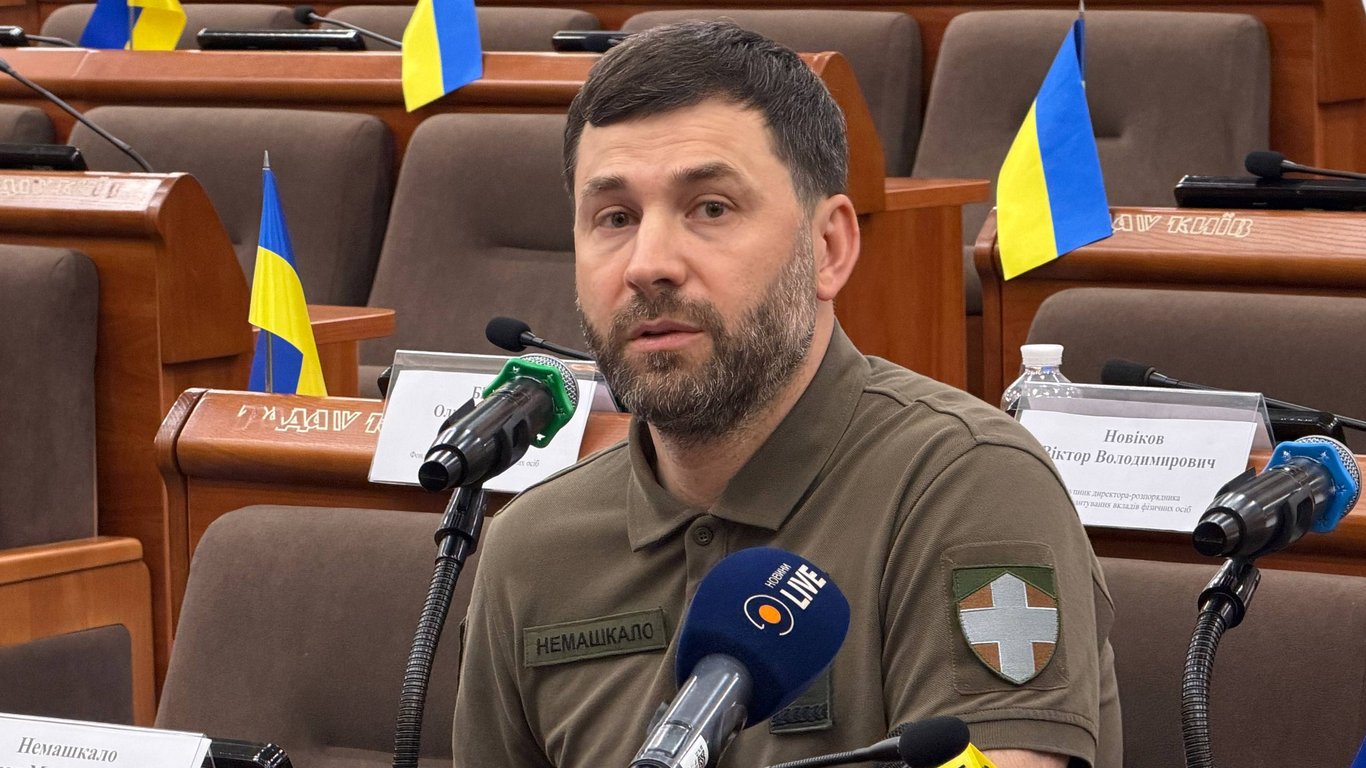
Consequently, as noted by Oleksandr Kharchenko, all electricity required for Kyiv must now be imported from outside the city via high-voltage transmission lines. This creates significant difficulties for the city's energy system, as reliance on external sources can lead to instability in the power supply. Experts point out that the fastest recorded case of connecting a cogeneration unit took about a month, highlighting the complexity and time required to restore generation capacity under current conditions.
Thus, the January 13 missile strike presents a serious challenge to Kyiv's energy infrastructure, requiring urgent measures to restore a stable electricity supply for the capital.
This situation underscores the vulnerability of Ukrainian cities' energy infrastructure in the context of ongoing military actions. - Source: Oleksandr Kharchenko
Restoring the operation of the combined heat and power plants and ensuring a stable electricity supply is critically important for the normal life of the capital's residents. The necessity of importing electricity from outside may pose additional challenges for the country's energy system as a whole, especially given the constraints on energy supply during the winter months. This attack is part of a wider Russian campaign targeting Ukraine's civilian energy grid, which began in the autumn of 2022.
Read also
- Why a 170 Hryvnia Fine Fails to Deter Drivers: The Fatal Kyiv Crash That Exposed a Broken System
- Zaporizhzhia Nuclear Plant Hit by 19th Blackout Since Occupation Began
- Key Supply Route to Crimea Cut as Chongar Bridge Destroyed: Occupiers Face Major Logistics Crisis
- Drone Strikes Hit Russian Industrial Sites: 2,800 sq. m. Blaze Engulfs Factory
- False Alarm Over Hazardous Materials Triggers Pentagon Evacuation
- Parents of Boy Killed in Kyiv Crash Push for Stricter Speeding Penalties