








Middle East Conflict Escalates: U.S. and Israel Launch Coordinated Strikes on Iran and Hezbollah.
Middle East Tensions Reach New Heights
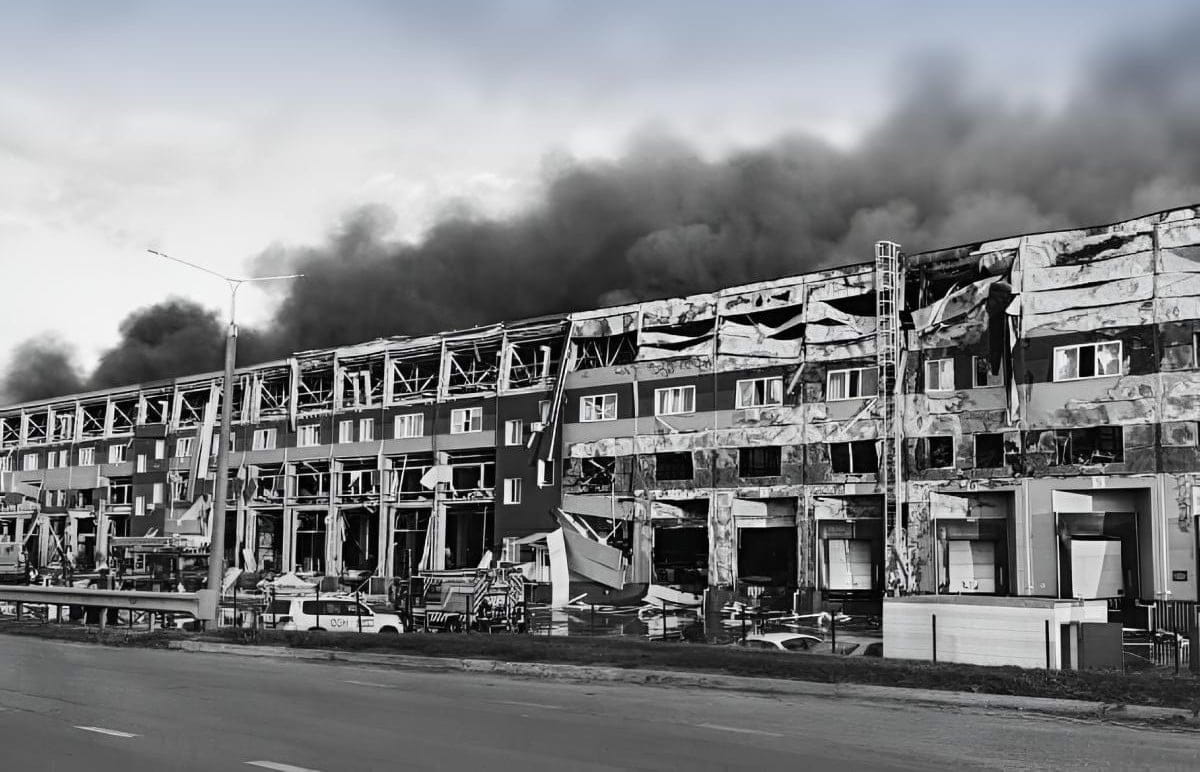
According to TSN.ua: The Middle East witnessed a severe escalation on March 2, 2026, as large-scale strikes erupted between Israel, Iran, and the Lebanese militant group Hezbollah. The conflict escalated into an open military campaign, codenamed 'Roaring Lion,' resulting in significant casualties and destruction. This marks a dangerous expansion of hostilities beyond the usual proxy warfare seen in the region.
The extensive strikes were triggered after Hezbollah launched a rocket barrage into northern Israel. In retaliation, Israel carried out massive airstrikes on Beirut and Tehran. According to sources, a key Hezbollah figure, Mohammad Raad, the head of the group's parliamentary bloc, was likely eliminated during the operation.
Severe Regional Repercussions
The conflict has had serious consequences across the region. Iran retaliated by striking nations in the Persian Gulf, including the United Arab Emirates and Saudi Arabia. The fighting resulted in the following fatalities:
- 11 people in Israel
- 31 in Lebanon
- 555 in Iran from the bombing campaign
The situation grew more complex for U.S. forces, which lost three F-15E fighter jets to friendly fire from Kuwaiti air defenses. Furthermore, four American service members were killed in an attack in Kuwait.
While approximately 250,000 Ukrainian citizens are in the region, no casualties have been reported among them so far. Ukrainian President Volodymyr Zelenskyy stated,
“the state is working to assist its citizens in the Middle East.”Commenting on the situation, Andriy Sybiha emphasized:
“The situation in the Middle East has sharply deteriorated.”
The rapid escalation has prompted new developments. The joint U.S.-Israeli operation against Iran has expanded swiftly, with decisive events anticipated in the coming days. Meanwhile, following strikes on Cyprus, Greece is preparing its defenses, and London is adjusting its policy. The EU and NATO have decided against intervening in a war with Iran, highlighting the complexity of the international response.
The intensifying conflict underscores the growing tension between the region's major powers. The loss of life and military hardware points to a grave situation with potential repercussions extending far beyond the immediate participants, threatening international stability. As new military actions unfold, monitoring the developments and the global community's reaction to this crisis is crucial, given its potential to reshape broader geopolitical relationships.
Read also
- Russia Losing Its Grip in Azerbaijan, Moldova, and Armenia, Zelenskyy Claims
- Ahead of G7 Summit, Zelenskyy and Macron Align Diplomatic Strategies
- Ukraine to Receive Anti-Ballistic Support from E3 Nations: What It Means for Kyiv
- Zelensky Warns Trump: Putin Lies and Has No Interest in Negotiations
- Zelensky reveals split inside Putin’s inner circle: half want the war to end
- Abramovich's Kyiv Visit Confirmed by Zelensky; Chelsea Sale Funds to Be Used for Air Defense