





Putin's Fear of a Gaddafi-Style Fate: How Trump's Presidency Redefined the Rules for Autocrats.

Putin's Fear of a Gaddafi-Style Fate: How Trump's Presidency Redefined the Rules for Autocrats

Russia's Anxiety Over Events in Iran

According to TSN.ua: Russian President Vladimir Putin has expressed significant concern regarding recent developments in Iran, particularly the assassination of Ayatollah Khamenei. The Kremlin is alarmed, viewing the Iranian situation as a potential threat to regional stability and, by extension, Russia's own security. Putin's spokesman, Dmitry Peskov, pointed to a 'profound disappointment' with the failures of American negotiations with Iran, a statement that underscores Moscow's apprehension about how events are unfolding.

Historical Parallels and Risks for Russia

For Russian analysts, the situation in Iran evokes memories of the 2011 events in Libya that led to the killing of Muammar Gaddafi. Alexander Baunov noted that Gaddafi's death marked a pivotal moment in Russian foreign policy, highlighting how such outcomes can profoundly impact nations with authoritarian systems. Similarly, Alexander Dugin emphasized the Kremlin's growing fear for its own security, stating,

"Our allies are being systematically eliminated, one after another."

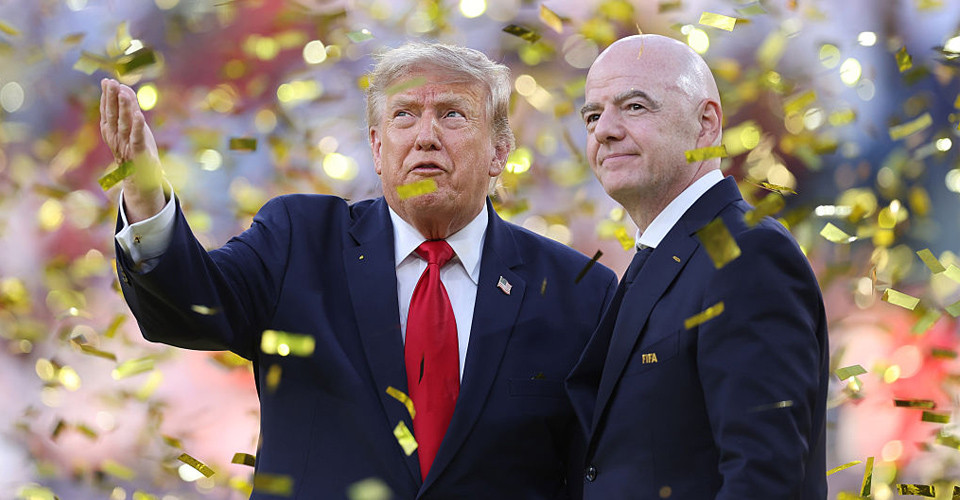
Faced with the unpredictable behavior of former U.S. President Donald Trump, Putin is acutely aware that his own position could be vulnerable. As Sam Greene observed,

"The Russian president knows, as well as anyone, that dictators who amass as much power and hold it for as long as Putin has typically leave office in one of two ways: either under arrest or in a 'box'."
This analysis highlights the personal and political risks Putin confronts within a shifting international landscape.

It is crucial to note that Putin commands the world's largest nuclear arsenal, which adds a formidable layer of complexity to how he might respond to global crises. This military power shapes both his calculations and the international community's approach. The situation indicates that Russia is monitoring events in Iran with intense scrutiny, as the outcome could significantly affect its strategic interests and national security.

Developments in Iran may act as a catalyst for further regional political shifts, prompting a direct response from Moscow. Observing instability in neighboring states, the Kremlin is determined to reinforce its positions and preempt any threats that could arise from potential changes of power in Tehran. This underscores the critical importance of regional stability for Russia's security amid ongoing global political tensions, a concern that has only deepened since the West's intervention in Libya over a decade ago.


Read also

Advertising