








Iran's Air Defense Achilles' Heel: A Critical Missile Shortage Targeted by US and Israeli Strategy.

Iran's Air Defense Achilles' Heel: A Critical Missile Shortage Targeted by US and Israeli Strategy

Iran's Military Situation

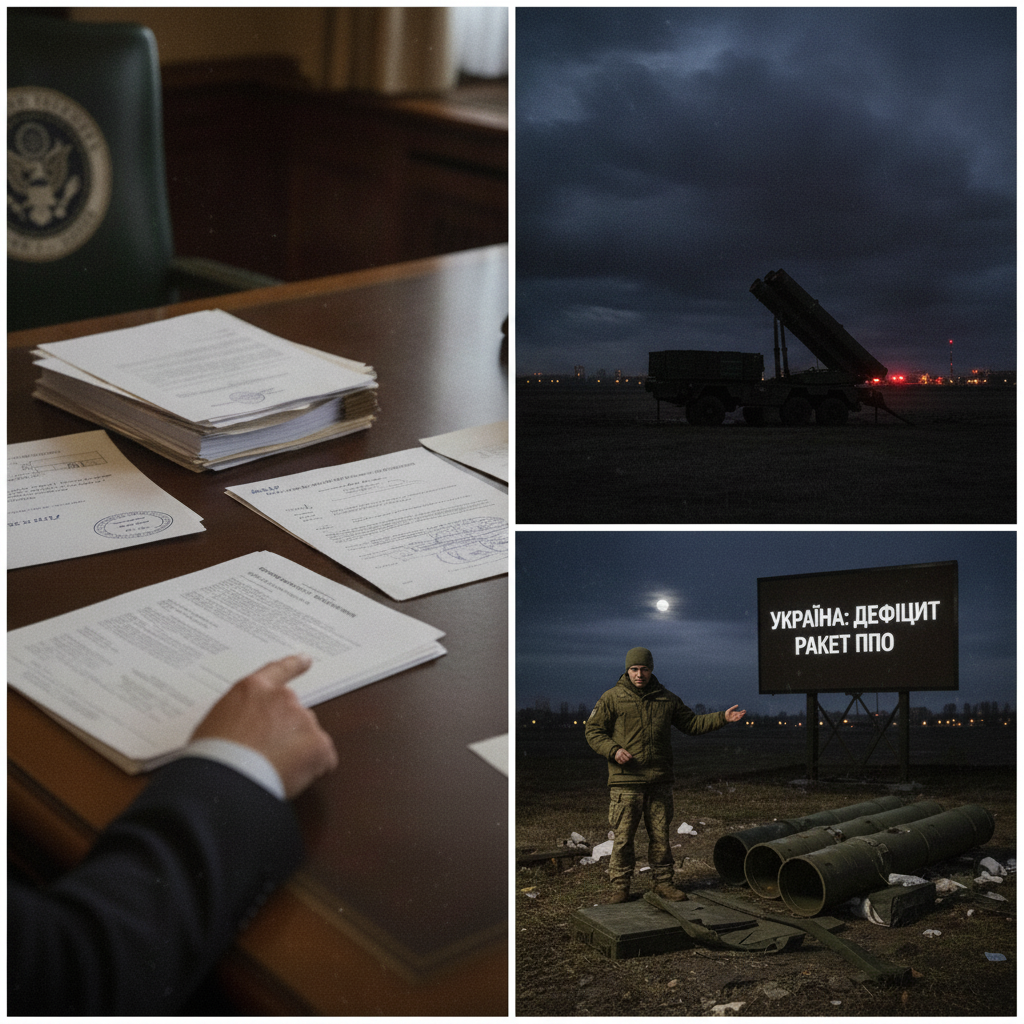
According to TSN.ua: Amid escalating regional tensions, the United States and Israel are actively working to undermine Iran's military strength. A central focus of this effort is exploiting a critical shortage of air defense missile ammunition within Iran. This vulnerability has been exacerbated by the massive expenditure of such munitions, which require constant replenishment. Precise figures on Iran's stockpiles of surface-to-air missiles remain classified, complicating any clear assessment of their defensive posture.

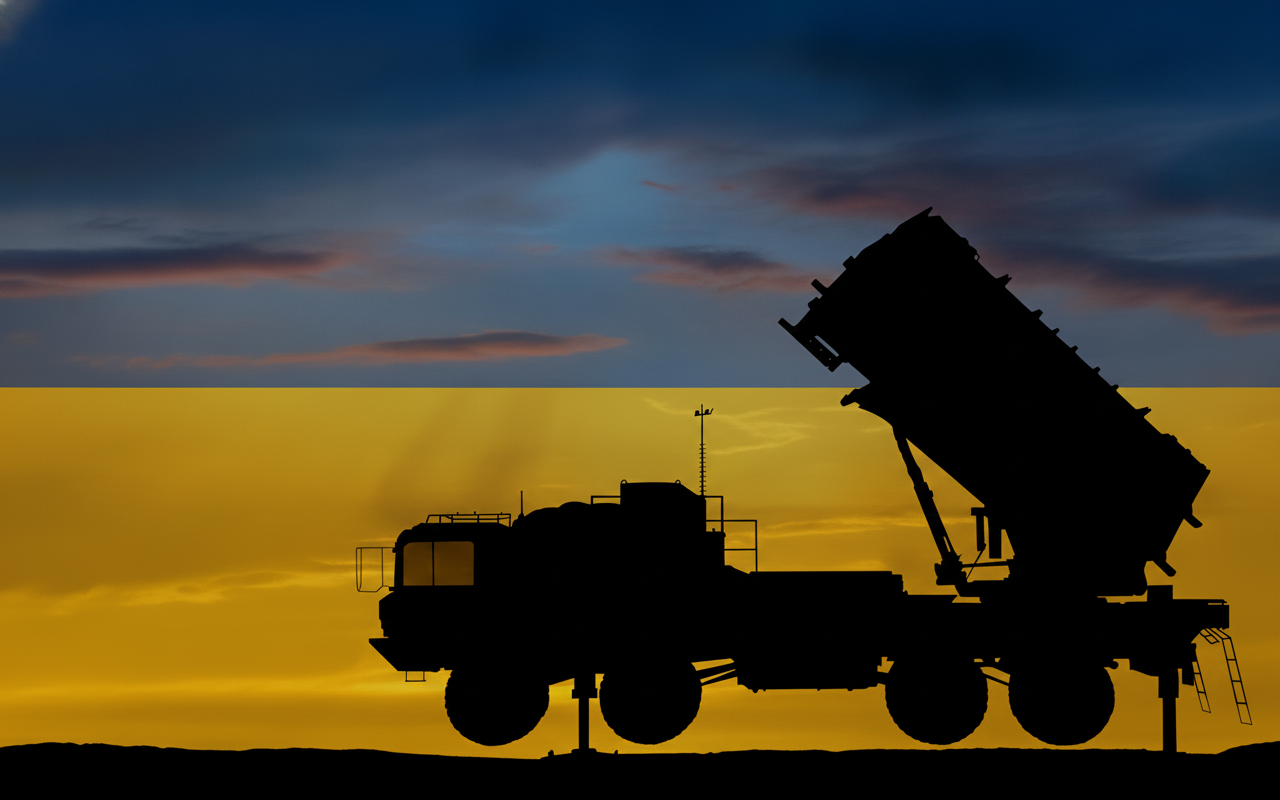
U.S. Central Command has reported successfully intercepting hundreds of missile and drone attacks. To bolster its own defensive capabilities, the U.S. actively deploys Patriot and THAAD systems, alongside Tomahawk cruise missiles. However, Israel is also confronting a shortage of certain interceptor missiles, a factor that could potentially impact its military readiness in a sustained conflict.

A Critical Situation

Military analysts suggest the Pentagon will likely need to reallocate missile stocks from other global regions, underscoring the severity of the supply issue. As noted by

The Wall Street Journal: 'interceptor missiles are being used faster than they are being produced,'
highlighting the strain on the military resources of the U.S. and its allies. This dynamic underscores the urgent need for effective resource management in the face of growing threats.

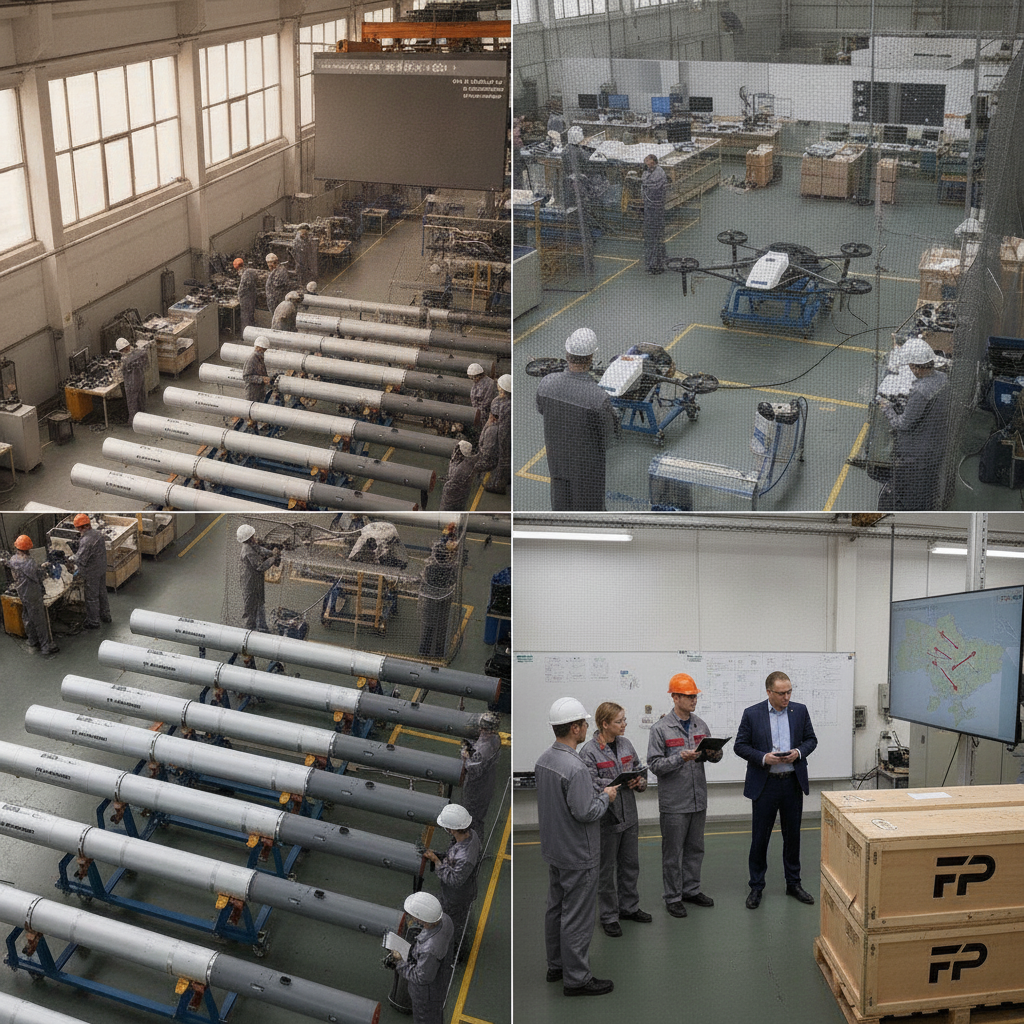
The broader ammunition shortfall for air defense systems points to increasing regional instability and the necessity for the U.S. and Israel to adapt their military strategies. Faced with resource constraints, these nations may explore new forms of cooperation and strategic inventory management to ensure their security and the effectiveness of their defensive networks. This logistical challenge could also influence military policy in other regions where U.S. forces are stationed.


Read also

Advertising