








Planned Four-Week US-Israeli Military Campaign Against Iran: Details on Strikes and Global Impact.

Planned Four-Week US-Israeli Military Campaign Against Iran: Details on Strikes and Global Impact

US and Israel Launch Military Campaign Against Iran

According to TSN.ua: Strikes against Iranian targets have commenced as part of a planned four-week military operation by the United States and Israel, with actions beginning on February 28. Israel is already conducting active strikes, while Iran has retaliated by attacking American military and oil assets. This military escalation coincides with significant geopolitical developments, notably a strategic agreement between Iran and Russia. The Middle East is a long-standing flashpoint for global tensions, where regional conflicts often have immediate worldwide repercussions.

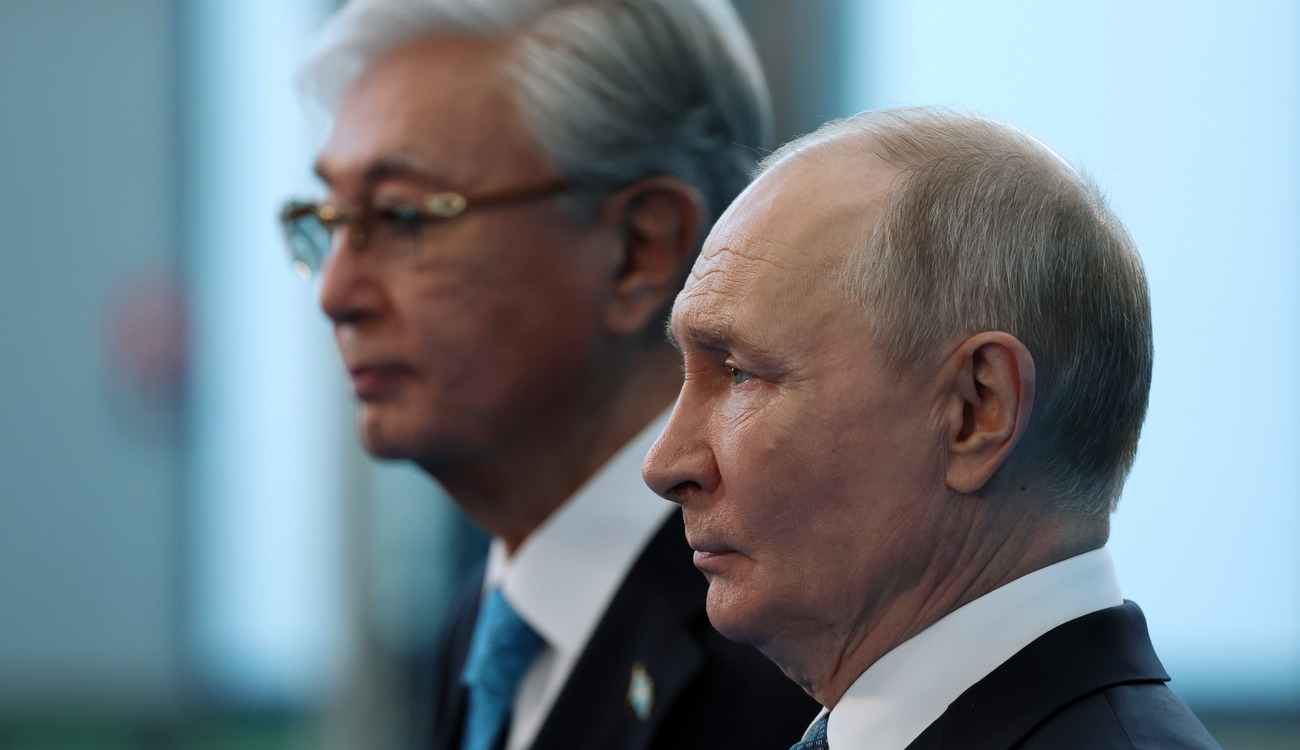
Marking a significant escalation, Israel has for the first time since 2024 begun advancing into southern Lebanese territory, indicating rising regional tensions. In January 2025, Iran and Russia solidified their alliance by signing a 20-year strategic partnership treaty, a move analysts see as a major step in strengthening ties between the two nations.

Further cementing this cooperation, in the autumn of 2025, Russia's Rosatom secured a $25 billion contract to construct four new power units at Iran's Bushehr nuclear power plant.

Energy Market Fallout and Geopolitical Dangers

These military actions are having severe consequences for global energy markets. The price of Brent crude oil has surpassed $85 per barrel, while European natural gas prices have surged by more than 70% this week. These spikes are driven by mounting fears over energy supply stability due to the escalating conflict.

"The US did not start this war, but under President Trump, it will be finished." - Pete Hegseth

Experts suggest Iran has become the latest nation, following Syria and Venezuela, to experience firsthand what a partnership with Russia entails. When Tehran came under US and Israeli bombardment on Saturday morning, its top diplomat's first call was to Moscow, highlighting Iran's attempt to seek support from its allies.

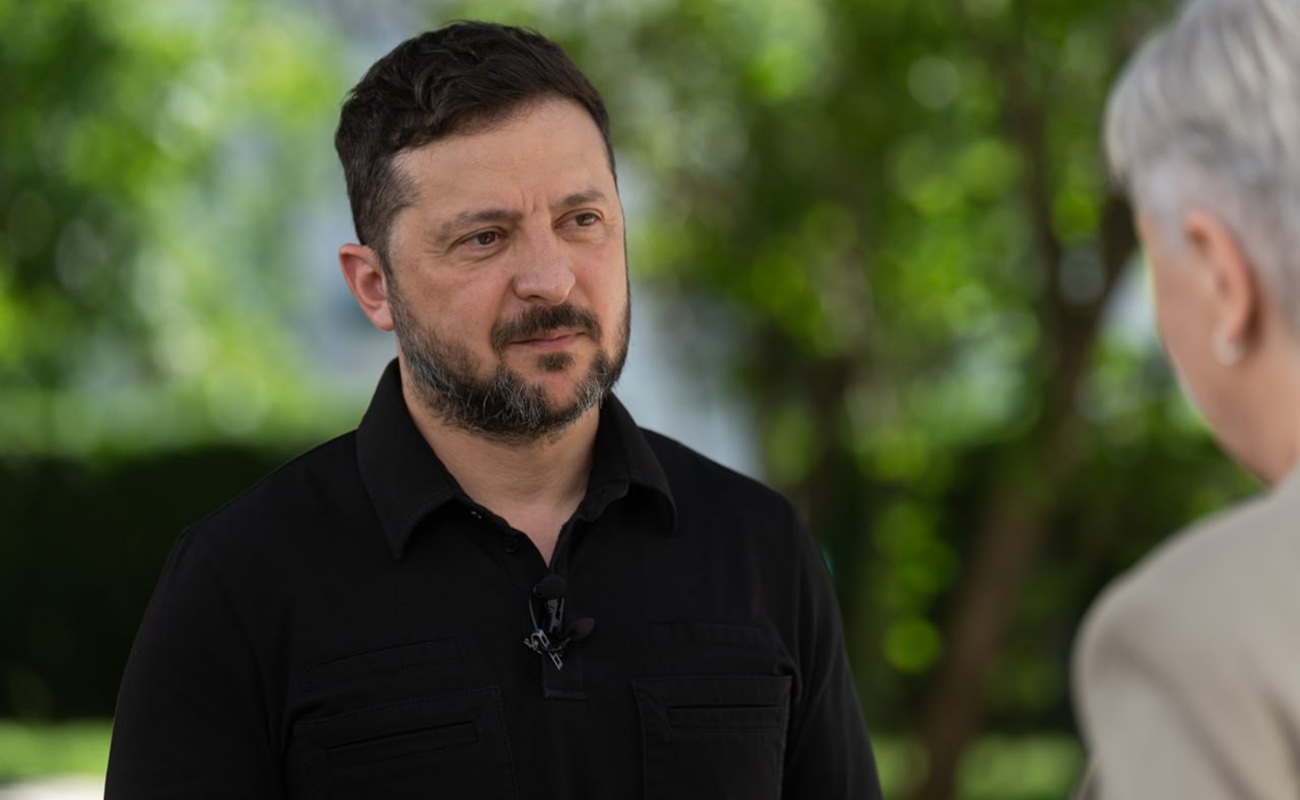
However, as Volodymyr Zelenskyy has stated, 'Russia lacks the resources to aid Iran,' a factor that could complicate Tehran's position. Simultaneously, Lindsey Graham's remark that 'Cuba will be next' points to the potential for the conflict to widen.

An additional critical risk is Iran's potential to block the Strait of Hormuz, which would have severe consequences for the global economy and energy markets. The situation remains highly volatile, demanding close attention from the international community.

The ongoing US and Israeli military actions against Iran and Tehran's response underscore a sharp increase in geopolitical friction in the region. The strengthening partnership between Iran and Russia, evidenced by new agreements, could significantly influence global politics and economic conditions, particularly in the energy sector. With oil and gas prices already climbing, the world must monitor further developments closely, as they hold the potential for serious impacts on the global economy.


Read also

Advertising