







Middle East Conflict Exerts Pressure on Ukraine's Hryvnia.
How Global Events Impact Ukraine's Currency Market
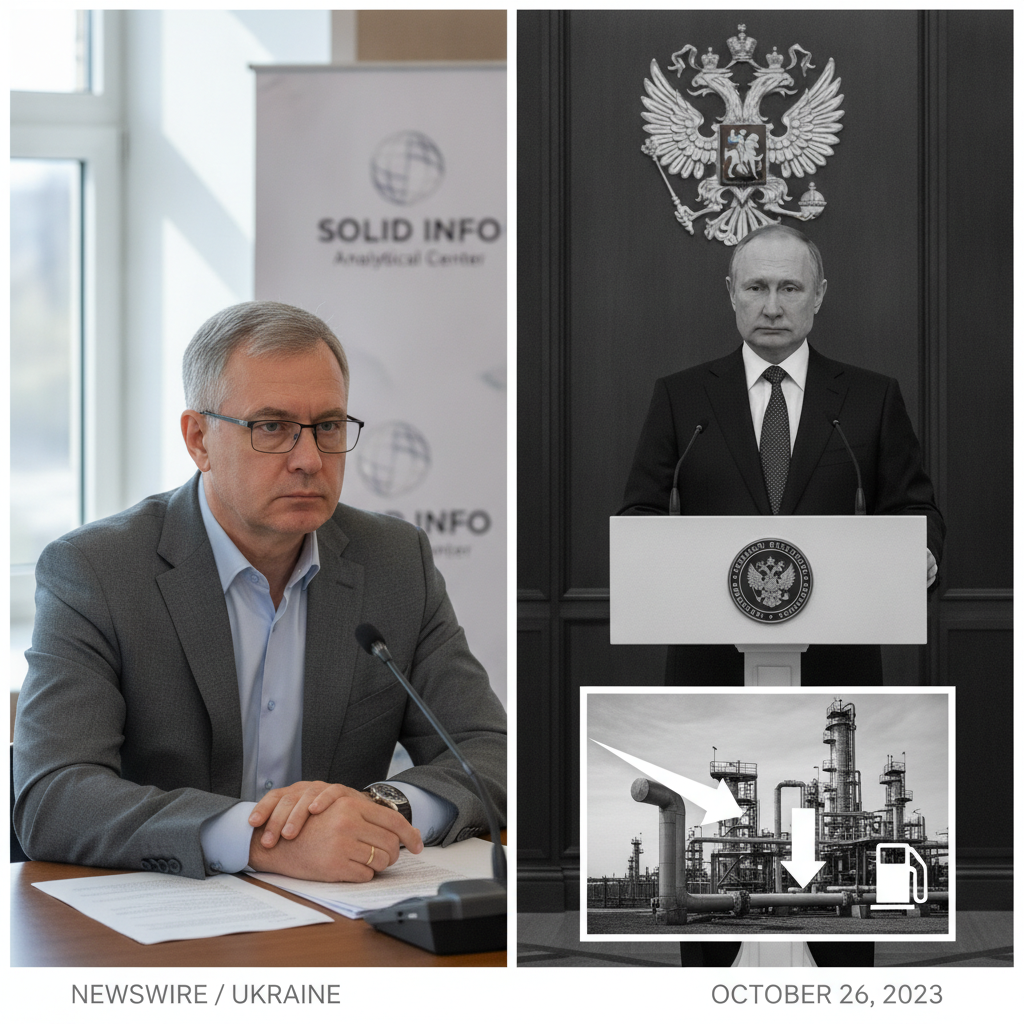
According to TSN.ua: Ukraine's currency market is experiencing significant pressure from the conflict in the Middle East, which is destabilizing the hryvnia's exchange rate. The war is driving up global oil prices, leading to speculative fluctuations in currency values. This volatility stems not only from global energy risks but also from seasonal factors that traditionally affect Ukraine's financial markets.
Seasonal Trends and Global Pressures
Ukraine typically sees a seasonal strengthening of the hryvnia in early spring. This coincides with the end of the heating season, which reduces the need for costly imports of gas and electricity. However, the current global situation has created significant uncertainty. The OPEC+ alliance has agreed to a modest increase in oil production—approximately 206,000 barrels per day—but this is insufficient to fully offset rising prices. Analysts warn that prolonged conflict in the region could push oil prices above $100 per barrel.
Within Ukraine, gasoline and diesel prices have surged to historic highs, further straining the domestic economy. This situation is particularly challenging for a nation already grappling with the economic consequences of its own war with Russia.
As noted by Andriy Shevchyshyn, 'The situation remains uncertain, and currency fluctuations are predominantly speculative in nature.'
This indicates that investors and speculators are reacting to shifts in the global energy market, adding another layer of stress to Ukraine's currency exchange.
Consequently, the outlook for Ukraine's currency market remains complex and heavily dependent on external factors, namely the Middle East conflict and volatile global energy prices. Events in the region continue to threaten the country's economic stability, demanding close attention from government authorities and the business sector.
Amid rising oil prices and global instability, Ukraine must implement measures to stabilize its currency. Potential strategies include:
- Strengthening the domestic economy
- Reducing dependence on imported energy resources
Monitoring global trends and adapting to them could help mitigate the negative impact of external shocks on the hryvnia and the broader Ukrainian economy.
Read also
- Europe’s Energy Market Sees Ukraine Shift Roles: New Assets and Emerging Challenges
- Woman Accused of Smuggling Aircraft Parts to Evade Sanctions—What It Means for Russian Aviation Safety
- May 2026 government salaries revealed: Shmyhal takes home nearly 129,000 hryvnias
- Poland Proposes Minimum Wage Hike for 2027: What the New Rates Could Look Like
- Inflation Forces Russia’s Central Bank to Keep Rates High as Antimonopoly Watchdog Targets Economists Over Forecasts
- Massive Sewage System Construction Planned in Odesa Amid Illegal Wastewater Dumping